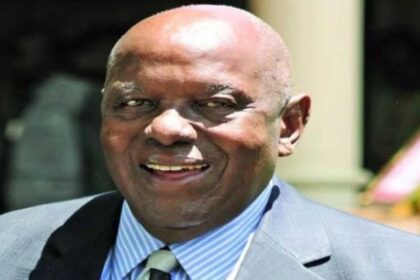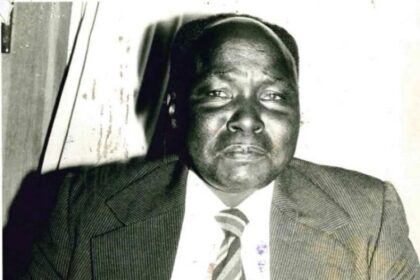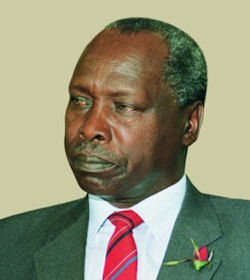
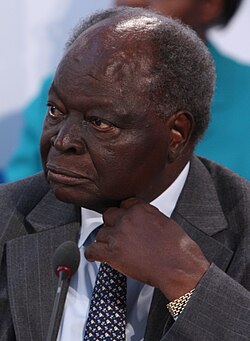
Emilio Mwai Kibaki was born on November 15, 1931, in Gatuyaini village, Nyeri County, Kenya. He grew up as the youngest of eight children in a farming family. His childhood reflected rural simplicity and discipline. Kibaki excelled in school and earned a scholarship to Makerere University in Uganda. He graduated in 1955 with first‑class honors in economics, history, and political science. He later studied at the London School of Economics. In 1959, he became the first East African to earn a first class degree in economics.
Entry into Politics
Kibaki entered politics in 1963, the year Kenya gained independence. Soon after, he won a parliamentary seat for Donholm, later renamed Othaya. As a result, his sharp intellect and economic expertise quickly earned him senior roles. Between 1969 and 1982, he served as Minister of Finance, where he shaped Kenya’s fiscal policies and strengthened the economy. Subsequently, in 1978, President Daniel arap Moi appointed him Vice President, a position he held for ten years. Afterward, as Minister for Health, he introduced reforms to improve healthcare. Finally, in 1992,
Presidency (2002–2013)
Kibaki became Kenya’s third President in 2002. His victory also marked the ende of Moi’s 24‑year rule. His presidency delivered major achievements. He revitalised the economy and achieved strong GDP growth. He expanded infrastructure across the country. His government introduced free primary education, opening schools to millions of children. In 2010, he oversaw the new Constitution of Kenya. The law decentralized power and strengthened governance. His tenure also faced challenges. The disputed 2007 election sparked violence and forced a power‑sharing deal with Raila Odinga. His administration faced criticism for corruption scandals.
Personal Life
Kibaki married Lucy Kibaki in 1962. They raised four children together. He was known for his reserved and intellectual personality. He valued privacy and kept his family life away from politics. His leadership style was pragmatic. He preferred policy work over populist speeches.
Retirement and Death
Kibaki retired from the presidency in 2013. He left behind a transformed Kenya. He died on April 21, 2022, at the age of 90. Kenya also honored him with a state funeral attended by leaders from Africa and beyond.
Legacy
Mwai Kibaki is remembered as a reformer and visionary economist. He modernized Kenya’s economy and expanded education. His leadership laid the foundation for constitutional democracy. His legacy also lives on in schools, roads, and governance structures that continue to shape Kenya’s future.
Also read: Biography of Hon. Francis Polisi Loile Lotodo (1946–2000)