
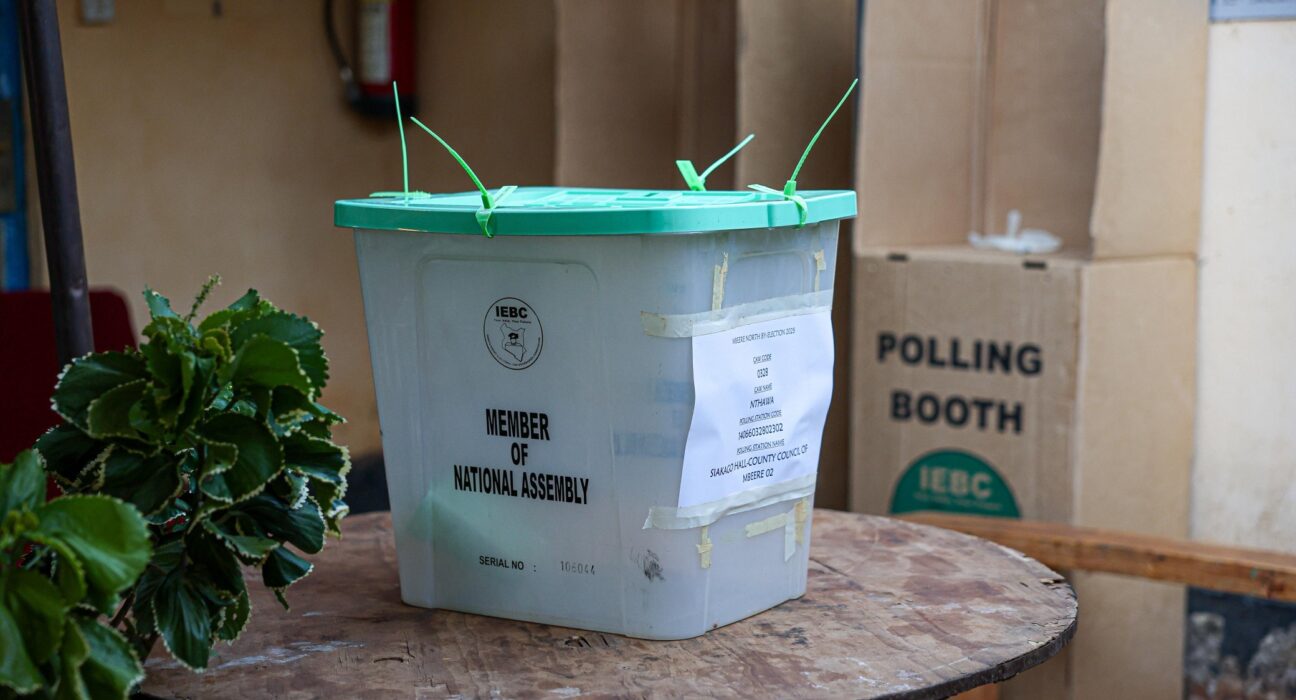
Elections are central to the health of any democracy, and their credibility depends on more than counting ballots. Observers and civic groups have repeatedly shown that technical efficiency alone cannot protect the integrity of a vote. A credible election demands fairness, transparency, security, and equal participation for all citizens.
Reports from various observer missions across Kenya highlight a recurring pattern election day procedures may run smoothly, but the wider electoral environment often raises serious concerns. These concerns include political interference, misuse of state resources, violence, bribery, and poor communication from key institutions. Together, they undermine public trust long before voters reach the polling booth.
Violence, Bribery, and Misuse of Power
One of the most persistent challenges is violence and intimidation. Rival political groups sometimes clash during campaigns, threatening supporters, observers, and even election officials. When security agencies fail to respond quickly or impartially, voters lose confidence in the process. Violence does not simply disrupt campaigns. It discourages participation and restricts the rights of citizens to choose freely.
Voter bribery also remains a major obstacle. The distribution of gifts, cash, food, or relief goods during campaigns distorts voter choice and shifts political competition away from ideas and policies. Open and unchecked bribery creates an uneven playing field and erodes democratic principles.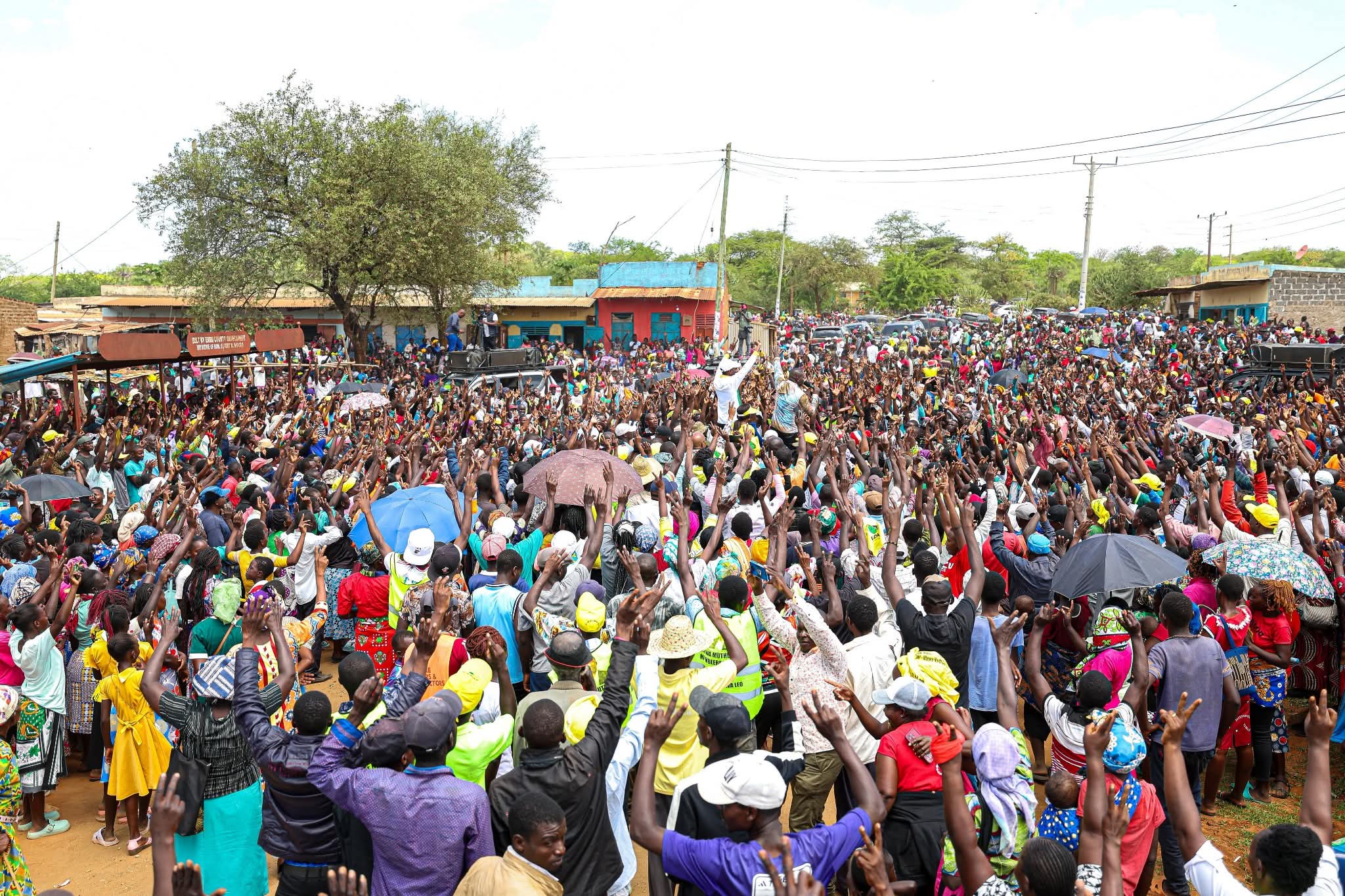
Observers have also raised concerns about the involvement of senior state officials in campaign activities. When influential public officers appear at rallies or launch development projects close to an election, their presence may be seen as pressure or endorsement. The use of state resources for partisan purposes further weakens the principle of neutrality that a fair election requires.
Disinformation has become another powerful disruptor. Fake polls, forged documents, manipulated images, and misleading claims circulate widely during election seasons. These distort public opinion and create confusion among voters. When false information targets institutions such as the electoral commission, it damages trust and introduces doubt about the credibility of the process.
Inside polling stations, challenges also persist. Breaches of ballot secrecy, misuse of assisted voting, and the presence of unauthorised individuals including political agents or plainclothes officers raise concerns about transparency. Such practices create room for undue influence, weaken safeguards, and expose voters to pressure.
Weak communication from election authorities compounds these problems. When institutions fail to give clear and timely updates, rumours fill the gap. Effective communication is essential for managing expectations, maintaining order, and building public trust.
The Path to Credible Elections
Despite these challenges, many positive elements remain. Polling stations often open on time, equipment functions effectively, and election officials work diligently to uphold the law. These strengths show that technical capacity exists. What is needed is a stronger commitment to fairness, accountability, and ethical conduct at every stage of the electoral process.
A truly credible election requires more than smooth operations. It requires integrity from institutions, security agencies, political actors, and the public. Strengthening these values ensures that elections reflect the will of the people, protect democratic rights, and build public confidence that endures long after the results are announced.
Also read: Hidden Dangers in Aquatic Food Systems and Rising Drug Resistance