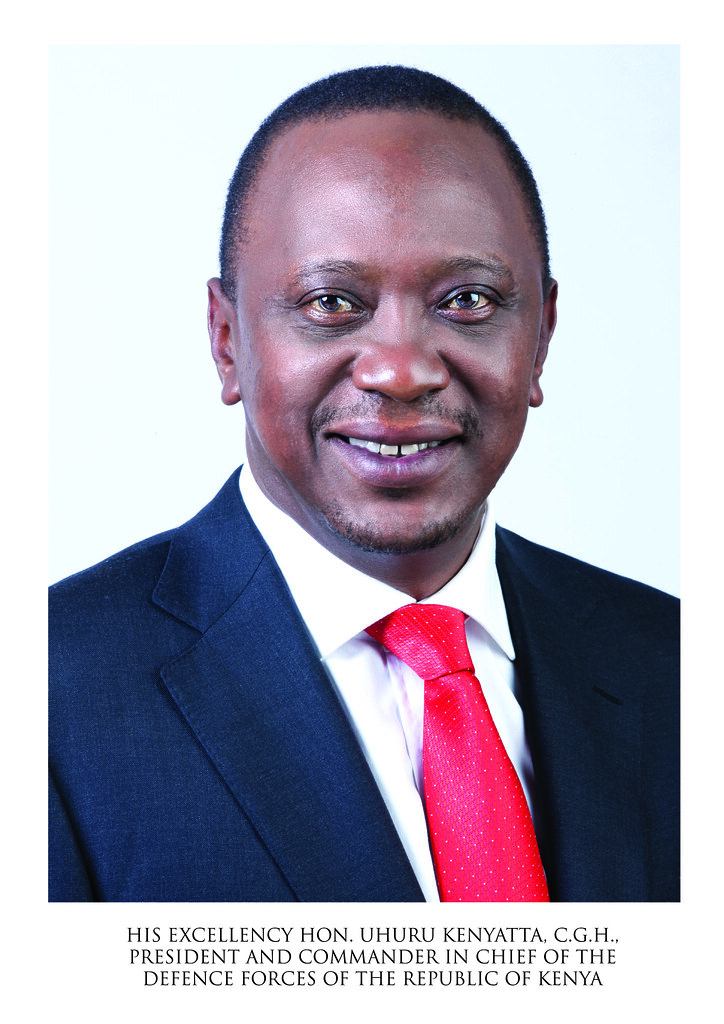
Uhuru Muigai Kenyatta was born on 26 October 1961 in Nairobi to Kenya’s founding president, Jomo Kenyatta, and Mama Ngina Kenyatta. Growing up in a politically influential family exposed him early to public life and national leadership. Kenyatta attended St. Mary’s School in Nairobi, where he completed his high school education before joining Amherst College in the United States to study political science and economics. After completing his studies, he returned to Kenya in the late 1980s and became involved in business, especially in agriculture and tourism, before entering active politics.
Entry into Politics
Kenyatta’s political journey became more visible in the 1990s. A major event in this period was his attempt to win the Gatundu South parliamentary seat in 1997. Although he lost, the election introduced him to national politics. Soon after, President Daniel arap Moi nominated him to Parliament, drawing attention to his growing profile. Moi later appointed him as Minister for Local Government, giving him his first major leadership role. This nomination became a key turning point and marked the beginning of Kenyatta’s path toward national leadership.
2002 Presidential Bid and Opposition Role
Another defining event in Kenyatta’s career came in 2002 when Moi endorsed him as the KANU presidential candidate. The endorsement created controversy within the party and led to internal splits. Kenyatta ran against Mwai Kibaki in the General Election but lost as Kenyans voted overwhelmingly for a political transition. Although he did not win, the loss positioned him as the Leader of the Opposition, keeping him firmly in the national political arena and preparing him for future roles.
Post-Election Violence and ICC Cases
The 2007 General Election was a major national crisis and a turning point in Kenyatta’s career. After supporting President Kibaki in the election, Kenya plunged into post-election violence following disputed results. The violence left more than 1,000 people dead and displaced hundreds of thousands. In 2010, the International Criminal Court (ICC) named several suspects believed to bear responsibility. Uhuru Kenyatta was among them, charged with crimes against humanity. This event became central to Kenya’s politics. In 2014, the ICC dropped the charges against him due to insufficient evidence, but the case had already reshaped alliances and national conversations.
Rise to the Presidency (2013 Election)
The 2013 General Election marked a major milestone for Kenyatta. Running under the Jubilee Alliance with William Ruto as his running mate, he won the presidency in the first round. His victory signaled the start of his first term. Key events from this period included the launch of major infrastructure projects such as the Standard Gauge Railway (SGR), expansion of national highways, increased electricity connectivity, and the establishment of Huduma Centres, which digitized many government services and improved public access to essential documents.
Challenges in the First Term
Despite notable achievements, Kenyatta’s administration faced several challenges. Reports of corruption, growing public debt, and tensions between government agencies became part of public debate. These issues shaped public perception and influenced political dynamics. In 2016, several parties merged to form the Jubilee Party, which became the ruling party ahead of the next election. This strategic merger strengthened Kenyatta’s political machinery and helped stabilize his re-election prospects.
2017 Election Crisis and Supreme Court Annulment
The 2017 election became one of the most dramatic events in Kenya’s political history. After Kenyatta was declared winner, the opposition challenged the results. In a historic ruling, the Supreme Court annulled the presidential election, citing irregularities. This was the first time a presidential election in Africa had been nullified by a court. Kenyatta campaigned again in the repeat election, which the opposition boycotted, and he won a second term.
The Handshake and the BBI Era
The political environment remained tense after the repeat election. In March 2018, a major event surprised the nation the Handshake between Uhuru Kenyatta and opposition leader Raila Odinga. This unexpected reconciliation eased national tensions and led to the creation of the Building Bridges Initiative (BBI), a political and constitutional reform program. Although the initiative was later stopped by the courts, it significantly shaped national politics and redefined alliances.
The Big Four Agenda and Pandemic Impact
Kenyatta’s second term focused on the Big Four Agenda: manufacturing, healthcare, food security, and affordable housing. Some progress was made, but several factors slowed implementation. These included governance challenges, financial pressures, corruption allegations, and the global COVID-19 pandemic. The pandemic became another major event of his presidency. His administration implemented lockdowns, health protocols, and economic stimulus measures, though procurement scandals linked to pandemic supplies sparked public outrage.
Fallout with Deputy President William Ruto
One of the defining political events of Kenyatta’s second term was the fallout with his deputy, William Ruto. Once close allies, the two leaders grew apart, leading to internal divisions within the Jubilee Party. As the 2022 election approached, Kenyatta supported Raila Odinga instead of his deputy, marking a major shift in national politics. Despite Kenyatta’s support, Ruto won the presidency and succeeded him in September 2022.
Post-Presidency and Regional Diplomacy
After leaving office, Kenyatta transitioned into regional diplomacy. He was appointed by the East African Community as a facilitator in the peace efforts for the Democratic Republic of Congo. His involvement in mediating the DRC conflict became a key event in his post-presidential life. Domestically, he remained the Jubilee Party Leader and continued advocating for the party’s direction. He occasionally clashed with state officials over the treatment of his family and allies, highlighting continued tensions within Kenya’s political landscape.
Legacy and Influence
Uhuru Kenyatta’s political journey spans decades filled with defining events that shaped Kenya’s post-independence narrative. His presidency is associated with massive infrastructure development, expanded digital government services, enhanced regional diplomacy, and political realignments. At the same time, debates persist over public debt levels, governance challenges, and the long-term effects of major initiatives like the SGR and BBI. From his early years in KANU to his two terms as president and his current diplomatic role, Kenyatta remains a central figure in Kenya’s political history.
Also read: Professor Wangari Muta Maathai