
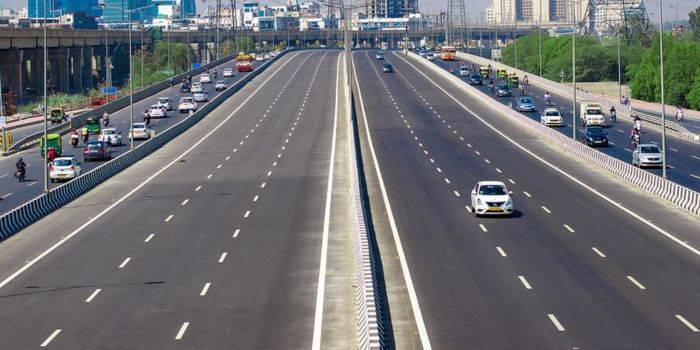
Kenya’s Public Private Partnership framework continues to influence major infrastructure development. Fresh disclosures from the National Treasury now point to growing financial risks tied to early termination of these contracts. The Nairobi Expressway, which remains the largest PPP project in the country, carries a potential break fee of Sh103.76 billion. This amount would fall on the government if the 27 year concession ends prematurely. Fee alone accounts for more than half of the Sh203 billion in total termination liabilities spread across 11 PPP projects.
A High Stakes Deal with Long Term Exposure
Moja Expressway, a subsidiary of China Road and Bridge Corporation, developed the Nairobi Expressway. The firm financed and built the 27.1 kilometre road and continues to operate it under a concession that runs until 2049. Toll collections form the backbone of its investment recovery plan. With a construction cost of Sh70.78 billion, the highway quickly became one of Kenya’s busiest routes after opening in May 2022.
The Treasury warns that ending the concession early would expose the government to significant financial obligations. The payout represents 29 percent of the project’s projected revenue over its lifetime. It also covers more than 82 percent of anticipated dividends and equity release. These terms reflect the extent to which investors sought protection from political changes and policy reversals that have disrupted megaprojects in the past.
Heavy traffic continues to flow through the Expressway. About 12.5 million vehicles used the road between July and December 2024. Motorists paid Sh7.16 billion in tolls during that period, well below the Sh9 billion needed for loan repayment, operations, and maintenance. The concession therefore posted a Sh1.84 billion net loss within six months, widening the previous year’s deficit.
Regulators urged the operator to reduce toll charges following a drop in inflation and a stronger shilling. The company maintained the higher rates. Any collapse of the concession whether driven by losses, disputes, or government decisions would activate the massive termination fee. Such a payout would strain the national budget at a time of already tight finances.
Wider PPP Liabilities Across Kenya
Expressway represents only part of Kenya’s rising PPP exposure. Ten additional projects carry substantial liabilities across the roads and energy sectors.
The Roads Annuity Programme accounts for Sh23 billion in potential payouts across three lots. Lot 15, covering urban roads in central Kenya, carries Sh8.49 billion. Lot 13, which focuses on rural upgrades, adds Sh7.29 billion. Lot 18, serving urban roads in western Kenya, contributes Sh7.20 billion.
Energy projects increase the exposure further. The Malindi Solar Plant carries Sh12.26 billion. Cedate Solar and Selenkei Solar add Sh9.95 billion and Sh10.37 billion respectively. The Chania Green Wind project in Kajiado has a Sh14.71 billion liability. Sosian Menengai in Nakuru adds Sh11.52 billion, while the Quantum Menengai plant carries Sh14.79 billion.
Private capital continues to flow into Kenya’s PPP programme, with Sh164.39 billion invested so far. The Treasury, however, notes that termination costs remain unpredictable because they rely on complex formulas linked to construction costs, financing terms, and projected revenues.
Implementation challenges persist. Slow project preparation and limited technical capacity continue to delay progress. Even with these obstacles, PPPs remain central to Kenya’s infrastructure plans. The growing liabilities, however, underscore the urgent need for stronger contracts and better safeguards to protect taxpayers from heavy financial exposure.
Also read: UHURU KENYATTA: Building the Skills That Define His Leadership