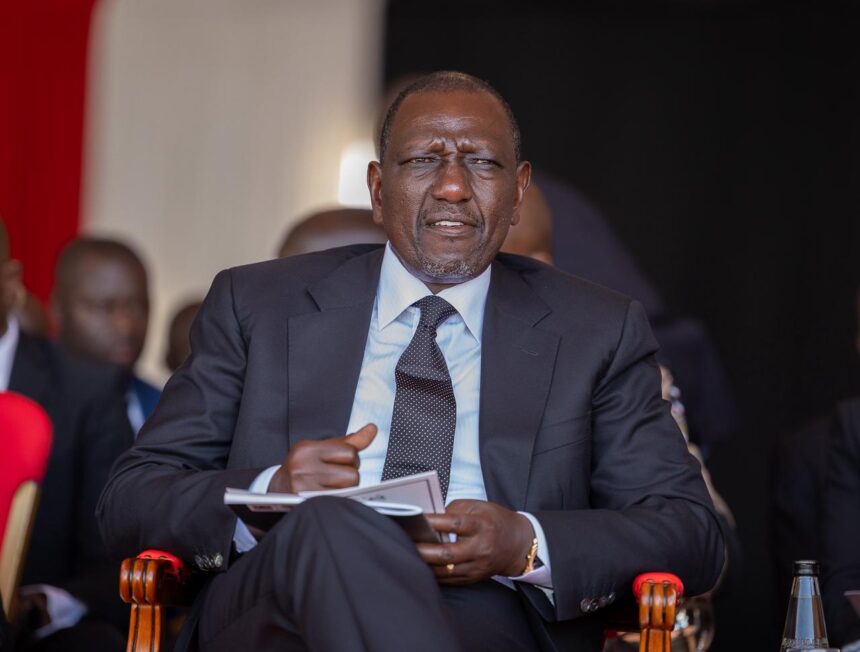
President William Ruto announced new policy measures and support programmes. They aim to improve opportunities for Kenya’s minority and marginalised communities. The announcements came at State House, Nairobi, during the International Day for Minority Rights. Government leaders and community representatives attended. They discussed inclusion, access to services, and broader participation in public life.
Expanding Educational Opportunities
The government launched a National Minority Scholarship Programme. It has an initial allocation of Ksh 500 million annually. The programme will support children from minority communities to attend secondary and tertiary schools. It will reduce financial barriers and help students realise their academic potential.
The President said the programme will run in partnership with private organisations and development partners. He stressed that education breaks cycles of exclusion. It improves life prospects for young people in communities with low school enrolment.
The government also announced an Education Infrastructure Fund. It will provide Ksh 200 million annually. The fund will build, upgrade, and equip schools and colleges in areas where minority communities live. The goal is to improve access to quality learning environments.
Healthcare and Social Protection Initiatives
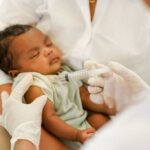
The government pledged to cover Social Health Authority contributions for 200,000 vulnerable individuals from minority communities. This will reduce health insurance costs. It will allow families to access essential medical services more easily.
President Ruto directed the State Department for Social Protection to register eligible families in cash transfer programmes. This step will strengthen household resilience. It will provide a safety net for families facing economic hardship.
Policy and Institutional Framework
The government elevated the Minorities and Marginalised Affairs Unit into a directorate. This directorate will coordinate policies and programmes across government ministries. It will ensure that initiatives reach the intended communities.
The Cabinet approved a new National Policy on Ethnic Minorities, Indigenous, and Marginalised Communities. The policy aims to increase inclusion in public service hiring. It will ensure fair representation of minority communities in civil service and leadership positions. The policy will be taken to Parliament for adoption, followed by a sessional paper to guide implementation.
Community Engagement and Future Impact
Representatives from various minority communities attended the events. These included the Ogiek, Sengwer, Yaaku, Suba, Terik, Arabs, Pemba, Somalis, Maasai, and Samburu. Many of these groups have faced challenges such as limited access to basic services, political exclusion, land disputes, evictions, and marginalisation.
The Head of Public Service said no community should remain excluded from national development. Officials said the new policy and programmes uphold constitutional principles of equality, dignity, and inclusion for all citizens.
The initiatives will take time to show full impact. They mark an important effort to address historical inequalities. Funding for education, health, and social protection is now targeted at minority and marginalised communities. The directorate will coordinate implementation to ensure success.
The initiatives require sustained political will and strong administration. Engagement with communities and civil society will ensure accountability. If implemented well, the programmes can increase participation and promote equity for minority and marginalised Kenyans.
Follow Our WhatsApp channel for more updates like this