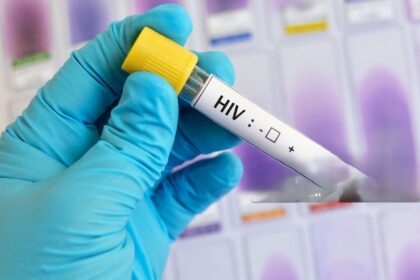
Faith healing occupies a powerful and deeply rooted space in Kenyan society. For generations, prayer, spiritual intervention, and religious rituals have shaped how communities understand illness, recovery, and hope. In moments of sickness or despair, faith offers comfort that medicine alone cannot provide. Yet when claims of healing move into the public domain especially when they involve serious medical conditions—the relationship between belief and public safety becomes complex.
Recent national debates have once again brought this tension into focus. While the names and circumstances may change, the underlying questions remain timeless: how should a society that values religious freedom respond when faith-based healing claims intersect with medical science, professional ethics, and public health?
Faith Healing in a Living Social Context
Kenya’s embrace of faith healing cannot be understood in isolation. Many citizens face barriers to healthcare, including cost, distance, understaffed facilities, and long waiting times. In such settings, religious gatherings provide not only spiritual nourishment but also emotional support and a sense of belonging. Testimonies of healing, whether physical or psychological, reinforce belief and strengthen communal bonds.
For believers, questioning healing claims can feel like questioning faith itself. This emotional dimension makes public scrutiny difficult. Yet faith based claims do not exist in a vacuum. When they involve conditions such as cancer, paralysis, blindness, or chronic disease, they influence decisions that carry real risks.
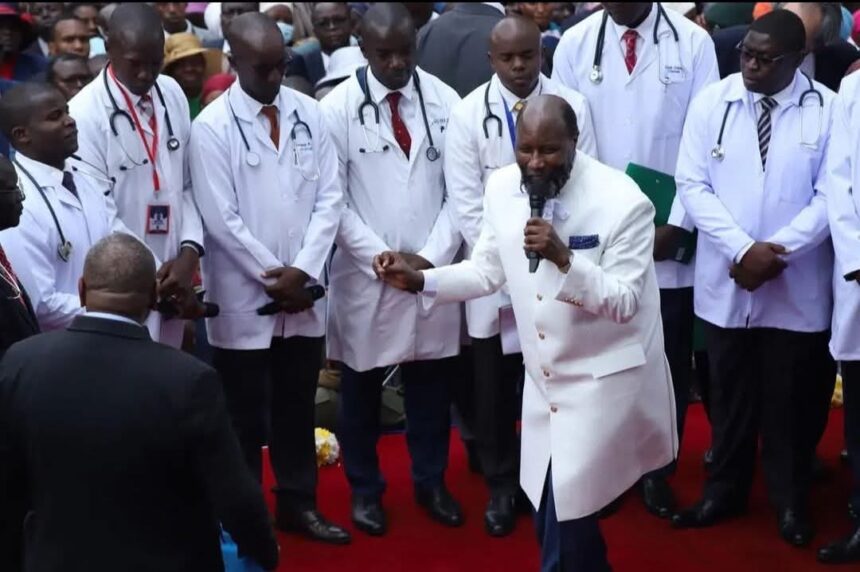
This reality came sharply into view following recent high profile crusades led by Prophet David Owuor, where claims of miraculous healings were publicly shared. Videos and testimonies circulated widely, attracting both admiration and concern. Supporters saw evidence of divine power. Critics questioned whether some claims involved conditions that typically require medical confirmation and long term management.
Medical Authority and Ethical Responsibility
The situation became more sensitive when medical professionals were reported to have participated in, endorsed, or commented on the alleged healings. Doctors and other health practitioners occupy positions of public trust. Their professional titles lend authority to their words, regardless of the setting.
Medical professionals carry the trust of the people they serve. Patients believe them not only because of their training, but because lives often depend on their words. This responsibility does not end when a doctor leaves the hospital or steps onto a public platform. When a health worker publicly affirms or celebrates a healing without clear diagnosis, follow-up, or independent confirmation, confusion can follow. For someone listening from home while battling illness, such statements can shape decisions that affect their health, their treatment, and their hope.
This concern prompted action from regulators. The Kenya Medical Practitioners and Dentists Council publicly cautioned against unverified medical claims, particularly when made by licensed professionals. The issue was not prayer or belief, but the use of medical authority to validate claims that lacked clinical evidence.
Such interventions highlight a timeless ethical dilemma. Healthcare professionals are entitled to personal beliefs, including faith in divine healing. However, they must distinguish between personal conviction and professional endorsement. Failure to do so can erode public trust in medicine and expose vulnerable individuals to harm.
Government Response and the Role of the State
The national conversation intensified when Health Cabinet Secretary Aden Duale addressed the matter. His response reflected a broader principle rather than a reaction to a single event. Duale warned that any medical professional making public health claims must back them with evidence. He emphasised that freedom of religion does not override the responsibility to protect public health.
Duale’s stance underscored the State’s dual obligation: to uphold constitutional freedoms while safeguarding citizens from misinformation. He directed relevant agencies to investigate claims involving medical practitioners, reinforcing the idea that regulation is about accountability, not suppression of faith.
This response resonated beyond the immediate controversy. It reaffirmed that Kenya’s public health framework relies on evidence-based practice. It also signalled that religious platforms are not exempt from scrutiny when medical claims are involved, particularly those that could influence treatment decisions.
Importantly, the government did not seek to ban prayer meetings or religious expression. Instead, it focused on professional conduct and the need for verification. This distinction is critical in maintaining social harmony while protecting public interest.
Regulation Without Hostility
Regulation in matters of faith and health must walk a narrow path. Heavy-handed approaches risk alienating religious communities and fuelling narratives of persecution. At the same time, inaction can allow harmful misinformation to spread unchecked.
Kenya’s regulatory response illustrates a cautious middle ground. Investigations target professional behaviour rather than belief. Statements emphasise evidence rather than ideology. This approach reflects an understanding that faith plays a vital role in society, but must not undermine public safety.
Similar tensions have emerged before, and they will arise again. As digital platforms amplify testimonies and claims, regulators will face increasing pressure to respond quickly and transparently. The challenge will be to act decisively without escalating conflict.
The Risks of Silence and Misinformation
Unverified healing claims carry long-term risks. Some individuals may stop medication prematurely. Others may delay seeking medical care. Families may invest resources in spiritual interventions while neglecting treatment. These outcomes are rarely visible immediately, but their effects accumulate over time.
Misinformation thrives where silence prevails. When regulators hesitate or professionals speak ambiguously, confusion fills the gap. Clear communication, grounded in respect, is essential. The public deserves to understand the difference between spiritual testimony and medical evidence.
Faith leaders also hold responsibility. With large followings comes influence. Encouraging medical verification does not weaken faith; it strengthens credibility. Some religious institutions have successfully partnered with healthcare providers to promote both prayer and treatment. Such models demonstrate that cooperation is possible.
A Timeless Balancing Act
The debate surrounding faith healing and public safety is not about choosing between God and medicine. It is about defining boundaries that protect life, dignity, and truth. Kenya’s Constitution enshrines freedom of belief, but it also recognises the State’s duty to protect citizens from harm.
The recent attention around Prophet Owuor’s crusades and Aden Duale’s response provides a contemporary example of an enduring challenge. Similar moments will arise with different leaders, movements, and technologies. The principles, however, remain constant.
A balanced approach requires humility from all sides. Regulators must listen as well as enforce. Religious leaders must recognise the weight of their words. Medical professionals must uphold ethics wherever they speak. Citizens must be empowered to make informed decisions.
Faith healing will remain part of Kenya’s spiritual landscape. Public health will remain a collective responsibility. The intersection of the two demands wisdom, restraint, and dialogue.
Faith has the power to lift people in moments of fear and uncertainty. Evidence protects them when decisions carry real consequences. When the two work alongside each other, communities grow stronger. Problems arise not from belief itself, but from situations where hope is offered without care for its impact. The real challenge is not about controlling faith or flexing authority, but about making sure that the comfort people receive does not later place them in danger
Follow Our WhatsApp channel for more updates like this