A Pattern of Preventable Building Failures
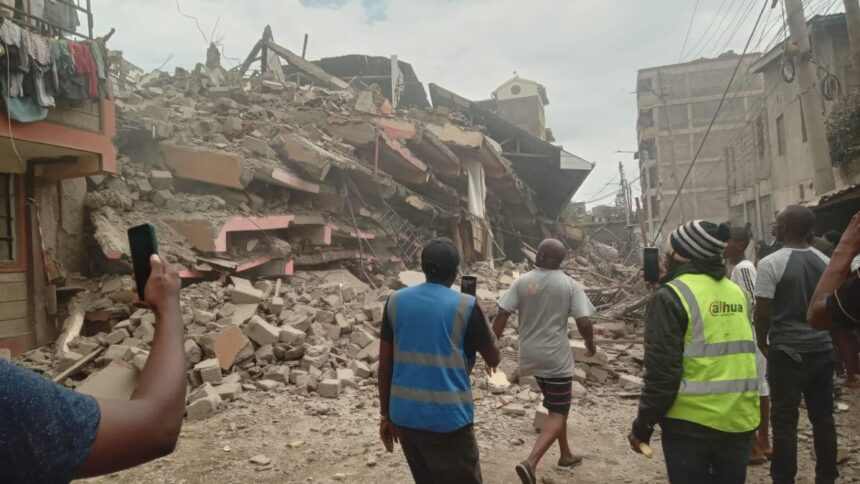
The repeated collapse of multi-storey buildings in urban Kenya exposes deep and persistent failures in the construction sector. These incidents are not isolated accidents. They reflect systemic weaknesses that continue to endanger lives and property.
Past collapses in areas such as Huruma, Kiambu Road, Ruaka, Embakasi, and South C reveal a troubling pattern. Many of these buildings failed during construction or shortly after occupation. Investigations frequently pointed to weak foundations, illegal additional floors, substandard materials, and ignored safety warnings. Despite public outrage after each incident, similar failures continue to occur.
Broken Oversight and Weak Enforcement
Construction professionals warn that corruption, poor oversight, weak enforcement, and political interference have turned many residential buildings into potential death traps. Counterfeit materials and unqualified practitioners worsen the situation. Without firm accountability, unsafe buildings remain occupied across major towns.
The construction process depends on a chain of responsibility. Developers initiate projects. Professionals design and supervise works. Contractors execute construction. County governments approve plans. National agencies regulate standards. When one link fails, the entire structure becomes unsafe. In Kenya, this chain often breaks at multiple points.
Although building laws and codes exist, enforcement remains inconsistent. Authorities often approve projects without full documentation or proper inspections. Stop orders are issued but ignored. Illegal works continue unchecked. This weak enforcement encourages shortcuts and normalises non-compliance.
Unsafe Practices Across the Construction Process
Investigations into collapsed buildings frequently identify the same failures. Developers exceed approved floors without redesigning foundations. Structural reviews are skipped. Site inspections are poorly documented. Professional supervision becomes nominal or disappears entirely. In some cases, consultants change mid-project without proper handover.
Professionals describe the sector as a ticking time bomb. Many buildings cannot withstand even minor ground movement. Others suffer from long-term structural fatigue due to poor materials and design flaws. These risks remain hidden until failure occurs.
Urban planning failures add another layer of danger. Many buildings ignore basic human needs. Natural lighting is limited. Ventilation is poor. Sanitation systems are overstretched. Open spaces disappear as developers maximise profit. Such environments compromise safety and dignity.
The Cost of Inaction and the Path to Reform
Residents often occupy buildings without knowing their structural condition. However, approval documents may exist on paper but not in practice. Buyers and tenants rarely have access to inspection records. This information gap leaves the public vulnerable.
Corruption, political interference, and the use of unqualified practitioners continue to undermine safety. Audits over the years reveal that many buildings remain unsafe or dangerous. The economic cost is high, but the human cost is far greater.
Experts argue that reform must go beyond reacting to disasters. Also, Strong enforcement, ethical leadership, professional accountability, and public participation are essential. Kenya’s urban future depends on safe and dignified housing. Buildings should shelter, not threaten. Construction safety remains a shared responsibility that can no longer be ignored.
Follow Our WhatsApp channel for more updates like this