
Kenya continues to invest in agriculture as a foundation for food security, rural incomes, and economic stability. Ahead of the planting season, the government has rolled out plans to import fertiliser to support small-scale farmers across the country. For many households, this intervention is not just about boosting yields. It is about survival, dignity, and hope in the face of rising costs and unpredictable weather.
The initiative follows the securing of €78.9 million (about Sh11.8 billion) from the International Fund for Agricultural Development (IFAD). The funding aims to cushion farmers against high input prices while improving productivity during critical planting periods. At a time when fertiliser prices have remained volatile and beyond the reach of many rural families, the programme offers timely relief.
Across Kenya’s farming regions, small scale farmers continue to shoulder the burden of feeding the nation. Yet they often do so with limited support, shrinking margins, and growing climate risks. The fertiliser import plan seeks to ease one of the biggest pressure points in farming access to affordable and reliable inputs.
Why Fertiliser Access Matters for Small-Scale Farmers
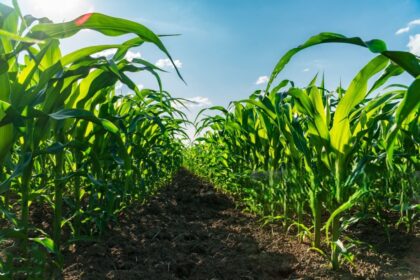
For most small scale farmers, fertiliser is not optional. It is the difference between a good harvest and a failed season. Yet in recent years, rising global prices, supply disruptions, and currency pressures have pushed fertiliser costs beyond the reach of many households.
In rural Kenya, farmers often rely on personal savings, informal loans, or community support to purchase inputs. When fertiliser becomes too expensive, many reduce application rates or abandon its use altogether. This leads to lower yields, declining soil fertility, and reduced household income.
The government’s fertiliser import plan recognises this reality. By stepping in ahead of the planting season, authorities aim to stabilise access and protect farmers from market shocks. The imported fertiliser will support both planting and top dressing, ensuring crops receive nutrients at key growth stages.
Beyond crops, fertiliser access also affects livestock systems. Poor-quality pastures and low fodder yields often stem from depleted soils. Improving soil fertility supports better fodder production, which in turn strengthens livestock health and productivity. For mixed farming households, this integrated approach can make a meaningful difference.
The intervention sends a broader message that food security begins at the farm level. When small scale farmers thrive, rural economies grow, markets stabilise, and the country becomes less vulnerable to food shortages.
KeLCoP and the Focus on Inclusive Rural Development
The fertiliser programme falls under the Kenya Livestock Commercialisation Project (KeLCoP), a joint initiative between the government and IFAD. KeLCoP aims to raise incomes for small scale farmers while strengthening food and nutrition security through market oriented and sustainable agriculture.
At least 110,000 households are targeted across 10 counties: Elgeyo Marakwet, Baringo, Marsabit, Samburu, Busia, Bungoma, Kakamega, Siaya, Nakuru, and Trans Nzoia. These regions reflect Kenya’s diversity, ranging from high-potential agricultural zones to arid and semi arid lands where farming is increasingly risky.
The project also places special focus on poor livestock farmers and pastoralist communities. These groups face unique challenges, including drought, shrinking grazing land, and limited access to markets. By supporting both crop and livestock systems, KeLCoP adopts a more holistic approach to rural livelihoods.
Under the programme, the fertiliser to be imported includes organic phosphate fertiliser, supplied in free-flowing crystal, powder, or granular form. This choice aligns with broader efforts to promote soil health and sustainable land management. Importers will deliver the fertiliser to the KeLCoP project management and coordination unit in Nakuru, allowing for centralised oversight and accountability.
Beyond inputs, KeLCoP also supports value addition, market access, and farmer organisation. The goal is not only to produce more, but to help farmers earn more from what they produce. In doing so, the programme seeks to move small scale farmers from subsistence to more resilient and commercial systems.
Follow Our WhatsApp channel for more updates like this