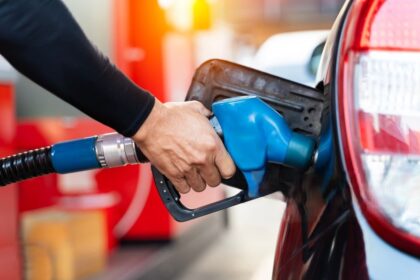
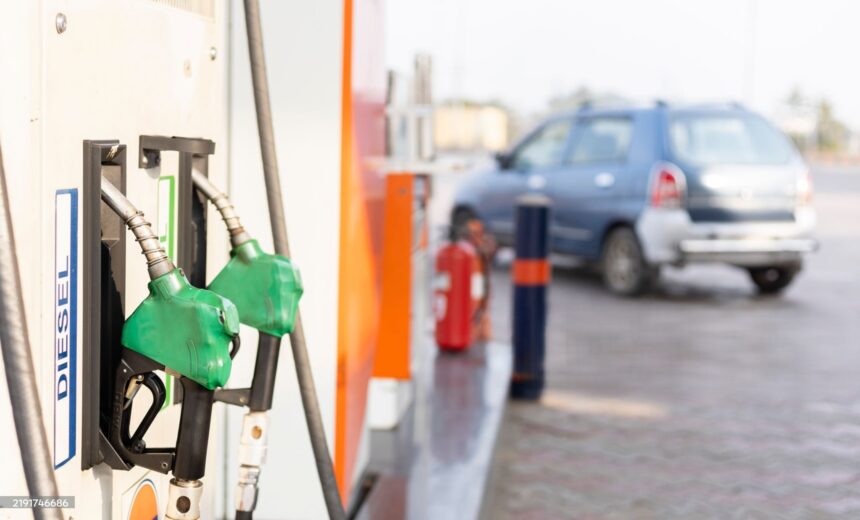
Petrol prices in Kenya remain a powerful driver of economic activity and household costs. Few figures influence everyday life as directly as the price displayed at fuel stations. Whether one owns a car or relies on public transport, petrol prices shape spending patterns, business costs, and the overall cost of living.
In Kenya, petrol prices are regulated through a structured pricing mechanism. The Energy and Petroleum Regulatory Authority (EPRA) reviews fuel prices every month using a formula that factors in global oil prices, the exchange rate, taxes, and local distribution costs. This system was introduced to bring predictability and transparency to a market once exposed to sharp and sudden price swings.
What the Statistics Show
Over the past few years, petrol prices in Kenya have remained consistently high by historical standards. In major cities such as Nairobi, pump prices for super petrol have largely stayed within the range of KSh 175 to KSh 190 per litre across multiple pricing cycles. Periodic reductions have occurred, but they have often been modest, sometimes lowering prices by KSh 1 to KSh 3 per litre at a time.
Regional price differences are also evident. Coastal towns such as Mombasa often record prices that are KSh 2 to KSh 4 lower per litre than Nairobi due to proximity to import and storage facilities. Inland towns, particularly those far from major depots, tend to post slightly higher prices.
Taxes and levies account for a significant share of the final pump price. Estimates from energy sector analyses show that taxes, levies, and statutory charges make up more than 40 per cent of the retail petrol price, even before dealer margins and transport costs are added. These include value added tax, excise duty, the road maintenance levy, and the petroleum development levy.
The exchange rate plays a critical role as well. Fuel imports are paid for in US dollars. When the Kenyan shilling weakens, the cost of importing fuel rises, even if global oil prices remain stable. In recent years, periods of shilling depreciation have coincided with upward pressure on local petrol prices.
Why Prices Keep Fluctuating
Kenya imports all its refined petroleum products, making it vulnerable to global market shifts. International crude oil prices can change due to geopolitical tensions, production decisions by oil-producing countries, or global economic slowdowns. These movements eventually feed into Kenya’s landed fuel costs.
Distribution costs also influence prices. Fuel must be transported from ports to inland depots and retail stations. Transport logistics, storage fees, and operational expenses all add to the final price paid by consumers.
While government interventions such as price stabilisation measures and subsidies have been used at times, these tools offer short-term relief and often place pressure on public finances.
The Everyday Impact
Fuel prices affect far more than motorists. Transport operators adjust fares when fuel costs rise. Traders factor fuel expenses into the prices of food and consumer goods. Manufacturers face higher production and delivery costs. As a result, petrol prices indirectly influence inflation and household purchasing power.
For small businesses and informal traders, even small price increases can significantly affect profits. For households, higher transport and food costs reduce disposable income.
Looking Ahead
As long as Kenya depends on imported fuel, petrol prices will remain sensitive to global trends and domestic economic conditions. Long term strategies such as investing in renewable energy, improving public transport systems, and promoting fuel efficiency could help reduce vulnerability to price volatility.
Petrol prices may change monthly, but their importance remains constant. The statistics behind the pump tell a broader story of energy dependence, economic pressure, and the daily realities faced by millions of Kenyans.
Follow Our WhatsApp channel for more updates like this