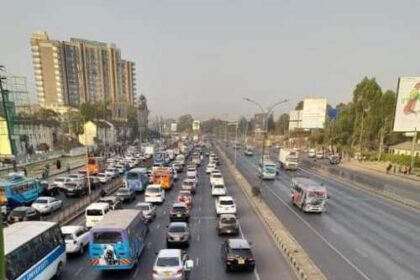
On Monday, February 2, 2026, Nairobi woke up to a transport nightmare. Thousands of commuters found themselves stranded as sections of the matatu industry went on strike. Key routes like Thika Road, Waiyaki Way, Outer Ring Road, and the CBD were paralyzed. Bus stops usually bustling with activity were empty, while traffic jams stretched for kilometers.
The disruption stemmed from conflicting messages between transport leadership. The Federation of Public Transport Sector (FPTS) had announced a suspension of the strike following talks with authorities. However, some matatu operators ignored the suspension, leaving commuters frustrated and scrambling for alternatives.
Harassment, Accidents, and Torched Vehicles
Growing insecurity on Nairobi’s roads triggered the strike. Matatu operators accused some boda boda riders of harassing, intimidating, and violently attacking drivers after accidents. Criminals torched at least 15 matatus nationwide in recent weeks, each worth millions of shillings.
In January 2026 alone, mobs destroyed nine vehicles, including matatus, buses, and private cars, following disputes and collisions. Operators warn that repeated attacks without decisive law enforcement put drivers and conductors at serious risk. Joshua Mwangi, a matatu driver along Thika Road, said, “We follow the rules, pay taxes, but criminals attack our vehicles and we lose thousands every month. We had no choice but to strike.” These attacks highlight the high stakes for operators, who invest heavily in vehicles and rely on them for daily income. Many argue that authorities must enforce the law and protect operators; otherwise, the transport sector cannot operate safely.
Commuters Caught in the Crossfire
For Nairobi residents, the strike was more than an inconvenience it was a daily struggle. Analysts note that around 70% of Nairobi’s population depends on PSVs daily, and up to 100,000 commuters travel by matatus every peak hour. Long queues formed at stages across the city. Some commuters walked several kilometers, while others relied on boda bodas, which saw fares jump from KSh 50 to over KSh 300 for short distances. Ride hailing services were overwhelmed, with demand surging and prices rising sharply.
Street vendors and small business owners were hit hard. Amina Hassan, a food vendor near the CBD, reported nearly zero sales for the day. Students and workers arrived late, and offices struggled with absenteeism. In Thika Town, hundreds of commuters waited hours at stages with no matatus in sight. The economic and social impact was significant, showing how deeply Nairobi relies on public transport to keep the city moving.
Calls for Dialogue
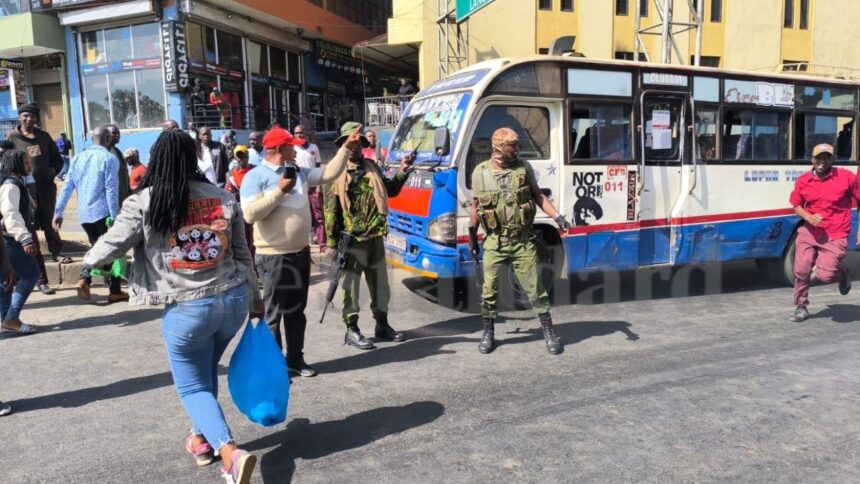
The FPTS announced a suspension of the strike to allow dialogue with authorities. Yet, some matatu groups rejected the suspension and continued industrial action. Authorities deployed police to key routes, directing traffic and removing vehicles blocking the roads. In some areas, tear gas was used to disperse crowds.
Boda boda leaders publicly condemned violent acts and distanced themselves from incidents of arson. Paul Njoroge, a chairperson of a Nairobi boda boda association, said, “We do not support violence. We urge dialogue and coordination to prevent further conflict.” Experts say Nairobi’s urban transport system faces structural challenges. Rapid urbanization has increased dependence on informal modes of transport, while enforcement and regulation lag behind. Without solutions, these tensions are likely to persist, affecting commuters, operators, and the city’s economy alike.
The Road Ahead
The strike highlighted the fragility of Nairobi’s transport network. A one-day disruption affected tens of thousands of commuters, dozens of businesses, and even schools, revealing how critical matatus are to the city’s daily function. Authorities and industry leaders must work together to ensure safety, protect vehicles, and establish effective dispute resolution mechanisms. Proposed measures include better regulation of boda boda riders, enforcement against vehicle attacks, and structured dialogue between operators and authorities.
For Nairobi commuters like Mary Wanjiku and James Ochieng, the strike was a reminder of the human cost behind industrial disputes. Mary walked over five kilometers to work, missing classes. James struggled to reach his office on time, while Amina Hassan lost her daily income entirely. Ultimately, Nairobi’s transport challenges are not just about vehicles or roads they are about the lives, safety, and livelihoods of millions who rely on daily mobility. Resolving disputes, enforcing safety, and maintaining open communication are essential to prevent future crises