
Being accused of a crime is frightening anywhere. Facing that process in a foreign country can feel overwhelming. For foreign nationals in the United States, an arrest often brings confusion, fear, and uncertainty. Many people do not understand their rights, the court process, or how criminal charges can affect their immigration status. This article explains, in simple terms, how foreign nationals move through the U.S. criminal justice system and what they should know to protect themselves. The U.S. system treats criminal cases and immigration matters as separate processes. However, for non-citizens, the two often intersect. What happens in a criminal court can shape a person’s future in the country and beyond. Understanding the process helps reduce panic and misinformation.
Recent cases involving foreign nationals charged with serious offences, including rape, have brought renewed attention to how the U.S. justice system handles non-citizens. In one such case involving a Kenyan national in the United States, public discussion quickly spread across media platforms both locally and internationally. While courts are still responsible for determining guilt or innocence, the case highlights how quickly legal matters abroad can become social and diplomatic concerns. It also shows why understanding legal rights, court procedures, and immigration consequences is critical for foreign nationals long before a verdict is reached.
Arrest, Rights, and the First Contact with the System
The journey usually begins with an arrest. In the United States, police officers must have legal grounds, known as probable cause, to make an arrest. Nationality does not change this requirement. Foreign nationals have the same basic constitutional rights as U.S. citizens during criminal proceedings.
Once arrested, officers must inform the accused of their right to remain silent and their right to an attorney. This moment is critical. Many foreign nationals believe cooperating fully will help them. In reality, speaking without legal advice can cause serious harm. Silence is a legal protection, not an admission of guilt.
Police may ask about immigration status during booking. This does not automatically mean deportation will follow. However, fingerprints and records often reach immigration authorities. At this stage, foreign nationals also have the right to contact their embassy or consulate. For Kenyans, the Kenyan Embassy or Consulate in the U.S. can provide support such as legal referrals, welfare checks, and communication with family members. They cannot influence court decisions, but they can ensure basic rights are respected.
Language barriers are common at this stage. Misunderstandings can easily occur. U.S. law allows suspects to request an interpreter. This right exists to ensure fairness and accuracy. Agreeing to statements that are not fully understood can create lasting legal problems.
Court Proceedings and Legal Representation
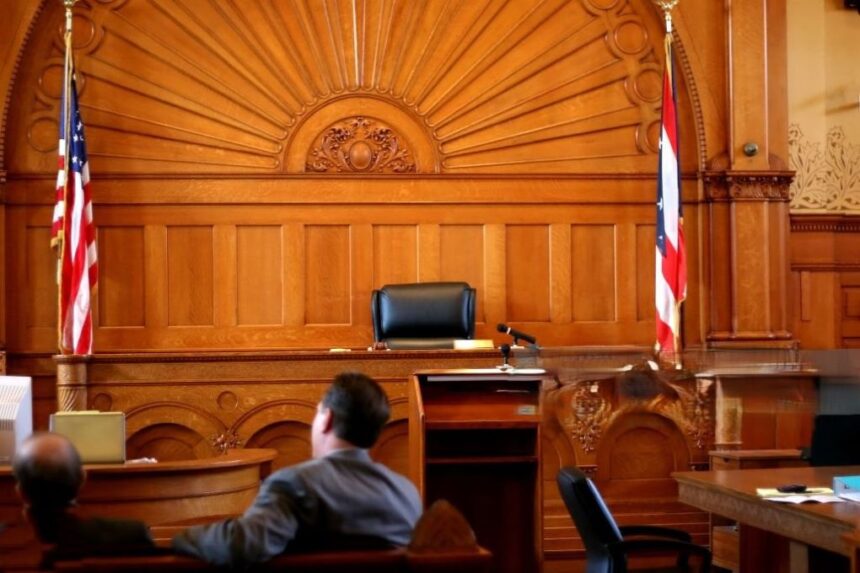
After arrest, the accused appears before a judge, usually within a short time. This first court appearance is called an arraignment. The judge formally reads the charges and asks the accused to enter a plea. Bail may be set, denied, or granted with conditions. Foreign nationals sometimes face stricter bail conditions. Judges may view them as flight risks due to travel history or lack of permanent residence. Bail decisions depend on the seriousness of the offence, criminal history, and ties to the community. Legal representation is essential. If a person cannot afford a lawyer, the court provides a public defender. While public defenders are trained professionals, foreign nationals often benefit from hiring private attorneys with experience in both criminal and immigration law. This dual knowledge matters because decisions made in criminal court can have immigration consequences.
The case then moves through pre-trial stages. Lawyers examine evidence, question procedures, and may negotiate plea deals. Plea bargains are common in the U.S. system. They can reduce charges or sentences. However, foreign nationals must be careful. A plea that seems minor in criminal court may trigger visa cancellation or future entry bans. Trials, if they occur, follow strict rules of evidence and procedure. Guilt must be proven beyond reasonable doubt. The process can take months or even years. During this time, foreign nationals may experience isolation, financial strain, and emotional stress, especially if family support is far away.
Immigration Consequences and Life Beyond the Criminal Case
One of the biggest misunderstandings is the belief that criminal court outcomes automatically decide immigration status. In reality, immigration enforcement operates separately. A person may be acquitted in criminal court and still face immigration review. Others may complete a sentence and then be placed in immigration detention. Certain offences carry higher immigration risks. Serious felonies and crimes involving moral turpitude often attract immigration attention. A conviction can lead to visa revocation, denial of renewal, or removal proceedings. Even long-term residents can face consequences.
This overlap creates fear and confusion. Many foreign nationals focus only on the criminal case and ignore immigration implications until it is too late. Lawyers often stress the need for early coordination between criminal defence and immigration advice. A single legal decision can change the course of someone’s life.
Cultural differences add another layer of complexity. Behaviour interpreted differently across cultures can become central to criminal cases. U.S. law applies strict definitions, particularly around consent, personal space, and conduct. Lack of awareness does not excuse violations, but it highlights the need for education and caution. Public perception also matters. When cases involve foreign nationals, media attention can be intense. Stories may travel quickly back home, shaping opinions before courts reach decisions. Families and communities often suffer reputational damage long before any verdict. Despite these challenges, the system also offers protections. Appeals exist. Legal remedies are available. Not every arrest leads to conviction. Many cases end in dismissal or acquittal. The key factor is informed legal action taken early.
Why Understanding the System Matters
For foreign nationals living, studying, or working in the U.S., legal awareness is a form of protection. Knowing basic rights, understanding court procedures, and recognizing immigration risks can prevent costly mistakes. Silence, legal counsel, and consular support are not privileges. They are rights. As global migration increases, more people will cross borders for opportunity, education, or safety. With movement comes responsibility and risk. Understanding how foreign nationals navigate the U.S. criminal justice system promotes fairness, reduces fear, and encourages respect for the rule of law. This issue remains relevant beyond any single case. It speaks to human vulnerability, legal complexity, and the need for clear information. Justice works best when people understand how it functions.