
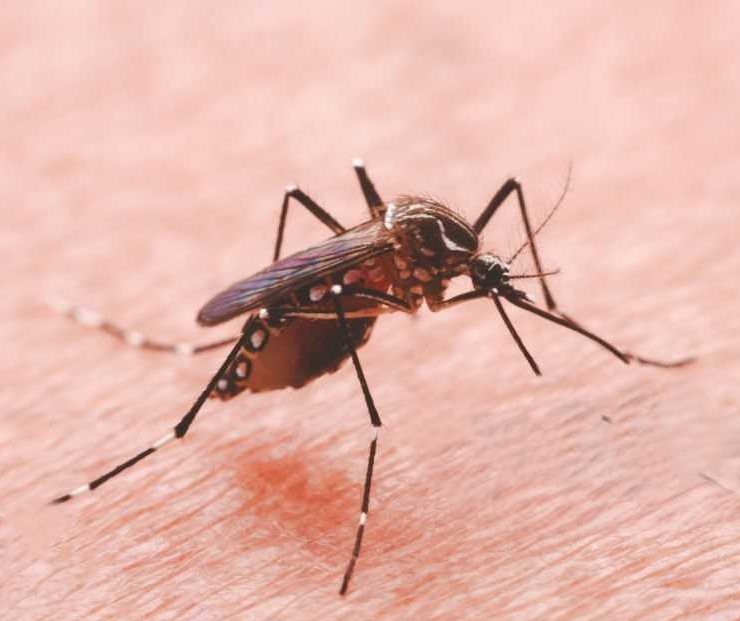
Malaria has changed human history for centuries. Families have lost loved ones to it. Health systems have spent billions fighting it. Science has made major progress, developing drugs that save millions of lives each year. Yet malaria continues to adapt and survive. One of the main reasons is mutation. Malaria is caused by a parasite that lives in human blood and is spread through mosquito bites. Like all living organisms, this parasite carries genetic material. Each time it multiplies, it copies that genetic code. During this copying process, small errors can occur. These errors are called mutations. Most mutations are harmless. Some even weaken the parasite. But occasionally, a mutation helps the parasite survive longer, resist medicine, or spread more easily. When that happens, the parasite gains an advantage. Over time, those stronger parasites become more common.
Understanding how malaria mutations occur helps explain why no single drug works forever. It also explains why countries like Kenya must keep adjusting their malaria control strategies.
How Malaria Parasites Change and Adapt Over Time
Malaria parasites reproduce at an astonishing rate. Inside the human body, one parasite can multiply into millions within days. With so much replication happening, mutations are unavoidable. This process is natural and affects all forms of life. When a patient takes malaria medicine, the drug kills most parasites in the bloodstream. However, if even a few parasites carry mutations that help them survive the drug, those parasites may escape treatment. They then continue multiplying. The next time malaria spreads, those tougher parasites are more likely to be passed on. Over many infections, this leads to drug resistance. This is not because patients or doctors failed. It is driven by biology and evolution.
Kenya has experienced this cycle before. Chloroquine was once highly effective and widely used from the 1940s through the 1980s. Over time, resistance spread. By the late 1990s, treatment failure rates were high in many parts of the country. Kenya switched to Sulfadoxine-Pyrimethamine, which also lost effectiveness. In 2006, the country adopted Artemisinin-Based Combination Therapy (ACT), which remains the frontline treatment today. Globally, health experts track these changes through organisations such as the World Health Organization. Their role is to monitor resistance patterns and guide countries on when to review or change treatment policies.
Why Drug Resistance Matters for Kenya’s Malaria Burden
Drug resistance does not mean malaria medicines suddenly stop working. Instead, infections may take longer to clear. Some patients may remain sick after completing treatment. Others may need stronger, second-line drugs. In Kenya, malaria remains a major public health challenge. Government health data shows that about 70 per cent of the population is at risk of malaria. Each year, the country records millions of malaria cases, with western Kenya carrying the heaviest burden. Counties around Lake Victoria account for a large share of hospital visits related to the disease. Children suffer the most. Health reports consistently show that children under the age of five account for a significant proportion of severe malaria cases. Their immune systems are still developing, making them more vulnerable to complications such as severe anaemia.
When drug resistance slows recovery, the risks increase. A child who would normally recover within three days may remain ill longer. That delay can be dangerous, especially in rural areas with limited access to advanced care. Resistance also strains health systems. Governments must regularly test whether current medicines still work. If a drug begins to fail, switching to a new one is costly. New drugs are more expensive and require updated guidelines, training, and supply chains. Despite these concerns, experts stress that current malaria drugs in Kenya remain effective. Patients are strongly advised to complete the full three-day dose as prescribed. Stopping treatment early gives surviving parasites the chance to multiply and spread resistant traits.
How Kenyan Scientists Track Malaria Mutations
Detecting malaria mutations requires advanced laboratory science. Researchers collect blood samples from patients in malaria-endemic regions. These samples are analysed to identify changes in the parasite’s genetic code. In Kenya, this work is led by institutions such as the Kenya Medical Research Institute. Scientists work closely with public health authorities to monitor resistance patterns across the country. Surveillance systems rely on selected health facilities known as sentinel sites. These facilities regularly submit samples for analysis. Using modern genetic sequencing tools, researchers can detect known resistance markers and identify emerging ones.
This approach acts as an early warning system. Instead of waiting for treatment failure to become widespread, scientists can alert policymakers early. Data is shared with national malaria programmes to guide decisions. Kenya also participates in regional surveillance efforts. Resistance detected in neighbouring countries such as Uganda or Tanzania often provides clues about what may spread next. Malaria does not respect borders, making cross-border cooperation essential.
Why Malaria Mutations Cannot Be Eliminated
Many people ask why science cannot simply stop malaria mutations. The answer lies in evolution. Mutation is a natural process. It happens whenever genetic material is copied. It cannot be switched off. What can be controlled is the impact of mutations. Strong surveillance systems reduce surprises. Early diagnosis ensures patients receive treatment before parasites multiply further. Adhering to full treatment courses limits the chance of resistant parasites surviving. Researchers are also developing new malaria medicines. These drugs aim to overcome known resistance patterns. However, even new treatments will eventually face evolutionary pressure. This reality means malaria control requires constant vigilance. Public awareness plays a vital role. When communities understand why completing treatment matters, resistance spreads more slowly. Education strengthens science.
The fight against malaria is not a one-time victory. It is an ongoing effort. Science provides the tools, but strong health systems and informed communities complete the picture. Routine testing, well-equipped laboratories, and data sharing help protect existing treatments. Continued research ensures new options remain available. Cooperation between countries strengthens regional preparedness. Malaria mutations are not a sign of failure. They are a reminder of how adaptable life can be. By understanding this process, societies can respond smarter, faster, and more effectively. The science behind malaria mutations may seem complex. But the message is simple. Evolution never stops. Neither can the fight against malaria.