
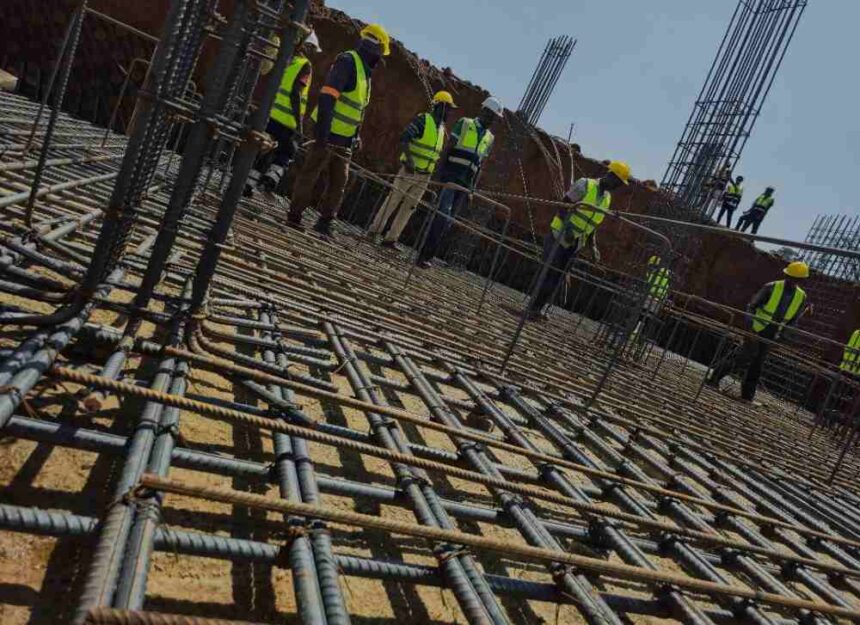
Kenya’s development priorities are undergoing a quiet but significant shift. For the first time in recent history, public spending on housing has overtaken expenditure on roads. This change signals more than a budgetary adjustment. It reflects a deliberate reordering of how the State views growth, service delivery, and the everyday needs of citizens. For decades, roads dominated development spending. Highways and bypasses symbolised progress and economic expansion. They absorbed the largest share of project funding year after year. Housing, while important, rarely competed for the same level of attention or resources. That balance has now changed, with housing emerging as a central pillar of public investment.
Under President William Ruto, affordable housing has moved from policy ambition to fiscal priority. Government spending patterns now show a decisive tilt toward housing and urban development. The shift suggests a belief that social infrastructure can deliver faster and broader benefits than traditional capital projects alone.
Why Housing Has Taken Centre Stage
The logic behind the housing push is rooted in lived realities. Urban populations continue to grow, housing demand is rising, and informal settlements remain widespread. Affordable housing directly addresses these pressures by improving living conditions while supporting more orderly urban growth. Housing projects also deliver visible outcomes within shorter timeframes. Unlike large road projects that take years to complete, housing developments can be finished in phases, allowing quicker impact. Completed units provide immediate shelter and demonstrate tangible progress.
Beyond shelter, housing functions as an economic driver. Construction activity creates employment across skill levels while stimulating demand for building materials, transport services, and professional inputs. Government data shows a steady rise in jobs linked to housing construction, positioning the sector as a key source of employment creation. Funding has been supported through structured contributions from workers and employers. This model enables predictable financing and long-term planning. However, it also raises expectations around transparency, accountability, and value for money. As housing absorbs more public resources, scrutiny over quality, affordability, and allocation continues to intensify.
What the Shift Means for Roads and Long-Term Planning
Data from the National Treasury shows that while housing spending has risen, roads have not been abandoned. The government continues to fund major highway projects and routine maintenance. Roads remain essential for trade, mobility, and regional integration. Reports by the Controller of Budget confirm continued investment in road construction and rehabilitation, though at a reduced pace compared to earlier years. This reflects tighter fiscal conditions and the need to balance economic infrastructure with social priorities.
Development spending has also become more concentrated within a few key State departments. This suggests a more coordinated planning approach, with economic planning playing a stronger role in aligning projects with national goals. While focus improves efficiency, it also requires constant oversight to avoid neglecting other sectors. Ultimately, the shift from roads to housing marks an evolution in how development is defined. Progress is no longer measured only by kilometres of tarmac. It is increasingly judged by stability, dignity, and access to decent living conditions. If supported by quality delivery and complementary infrastructure, housing-led development could reshape Kenya’s growth path for years to come.