Kenya’s public universities are grappling with a severe financial crisis as President William Ruto’s directives to expand higher education infrastructure hit the State Department for Higher Education with a Sh1.28 billion funding request.
The sector is already burdened with Sh85.28 billion in pending bills, leaving many institutions struggling to pay staff salaries on time, settle statutory deductions, and maintain basic operations. Lawmakers have raised concerns over the ballooning debts, demanding explanations from the State Department despite increased allocations to students.
Presidential Directives Drive Infrastructure Spending
Among the projects needing funding is a Sh300 million presidential directive. It covers the construction of studios, computer laboratories, classrooms, and offices in Blocks T and I at the Technical University of Kenya. The department also requests Sh200 million for a new administration block at Alupe University. Another Sh40 million will convert the Mundere facility into a campus of Alupe University, following a similar directive.
Meru University of Science and Technology plans a Sh300 million library block at its Mariene Campus. Turkana University needs Sh360 million for wider infrastructural development. Jaramogi Oginga Odinga University of Science and Technology requests Sh30 million for renovations at its Bunyala Campus. Tangaza University seeks Sh50 million in student capitation funding.
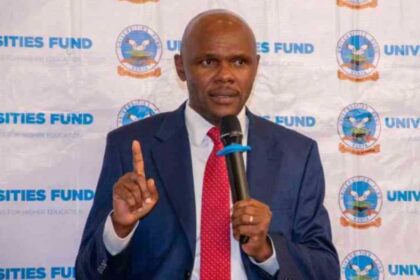
Higher Education and Research Principal Secretary Beatrice Inyangala told MPs that the extra Sh1.28 billion is critical to implement presidential commitments. She noted that universities continue to struggle under mounting debts.
Moi University’s Payroll and Legal Challenges
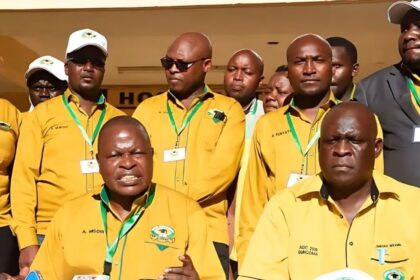
Concurrently, Moi University requested an additional Sh3.809 billion to implement the Return-To-Work Formula after an industrial action. Principal Secretary Inyangala said the government will allocate Sh500 million for bank loans, union dues, benevolent funds, group life insurance, pensions, and staff welfare. Another Sh1.25 billion will pay arrears under the 2017–2021 collective bargaining agreement. Additionally, Sh558.98 million will settle dues owed to staff of the Kenya Union of Domestic, Hotels, Educational Institutions, Hospitals, and Allied workers whose services were terminated.
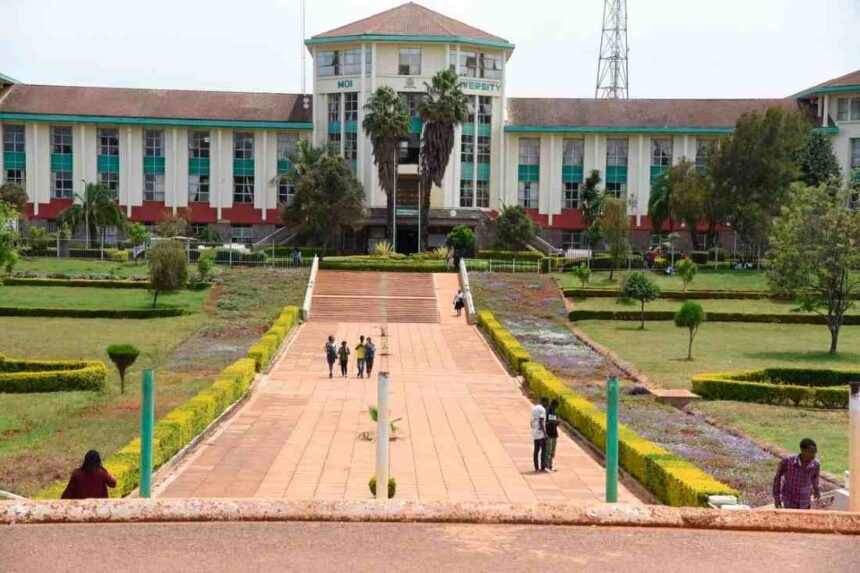
Acting Vice Chancellor Prof Isaac Kiplagat said ongoing court cases and historical legal disputes dating back to 1985 continue to drain university funds. “These legal challenges sometimes make us lose money. A current case threatens to overturn a university deal, which complicates progress,” he explained.
Prof Kiplagat confirmed that Moi University received Sh1.5 billion last year, which it used to pay staff salaries and arrears. However, the university still faces a pension liability of about Sh4.5 billion. The institution is working with the Pension Fund to liquidate properties and reduce the outstanding amounts.
Sector Under Pressure
The combined impact of pending bills, new directives, and legal disputes paints a worrying picture for Kenya’s higher education sector. Universities are forced to balance expansion projects with day-to-day operations and staff welfare. Analysts warn that without additional government support and financial reforms, institutions risk falling further behind, affecting both staff and students. The funding demands also reflect the government’s ambition to expand higher education infrastructure, particularly in technical and regional universities. While these projects aim to improve access and quality, they come at a significant financial cost, raising concerns about prioritisation and sustainability.