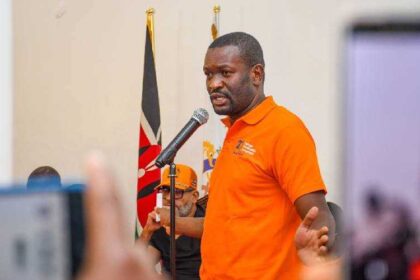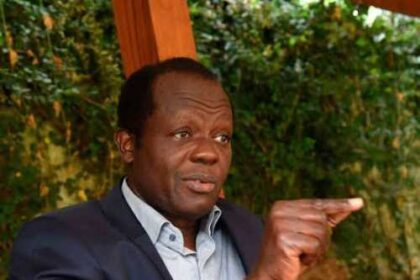
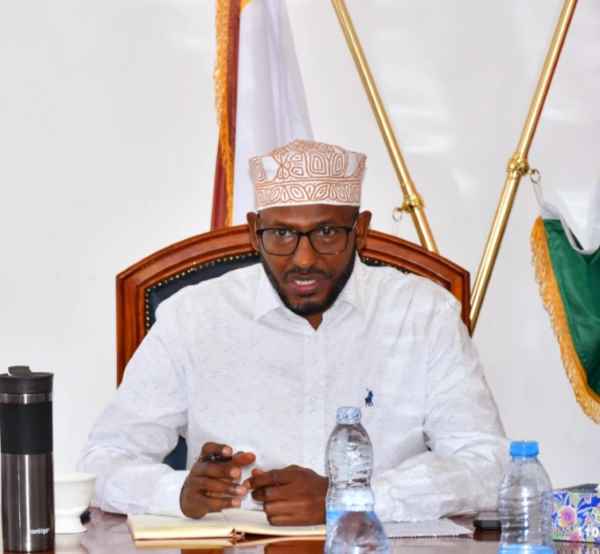
Kenya’s governors have deepened an institutional standoff with the Senate after resolving not to appear before the County Public Accounts Committee (CPAC) until allegations of bribery, extortion, and harassment involving some senators are addressed. The decision, taken through the Council of Governors, signals growing tension between county leadership and the Senate’s oversight mechanisms. While governors say they respect parliamentary oversight, they insist that the process must follow constitutional standards and protect the dignity of county governments.
Governors have clarified that their boycott targets CPAC specifically. They remain willing to engage with other Senate committees on matters affecting counties. However, they say unresolved concerns over conduct within CPAC have made continued engagement with the committee untenable.
Allegations of Extortion and Intimidation at the Centre of Dispute
The governors accuse certain members of CPAC of engaging in extortion, intimidation, political witch hunts, and persistent harassment. According to the Council, these concerns have remained unresolved despite formal communication with Senate leadership. Council Chairperson Ahmed Abdullahi has stated that the alleged conduct undermines the institutional integrity of county governments and erodes trust between the two arms of government. He argues that attacks against governors, including statements made on the Senate floor, weaken the Senate’s standing as a constitutional body.
Governors also fault the committee’s working methods. They cite excessive and repetitive summonses, where county leaders face multiple appearances to discuss the same projects or investments. According to the Council, this approach disrupts county operations and strains limited administrative capacity. Further concerns include procedural lapses such as the use of informal communication channels and alleged intimidation of auditors. Governors claim that some auditors have felt pressured to contradict official audit reports, a practice they say compromises accountability and transparency. Despite the standoff, governors insist they do not seek to evade scrutiny. Instead, they call for structured dialogue, professional conduct, and respect for constitutional boundaries in oversight processes.
Senate Defends Oversight Role as Deadlines Loom
Senate leadership has rejected the boycott and warned that it threatens Parliament’s oversight mandate. Senate Speaker Amason Kingi has insisted that governors must honour committee summonses as a prerequisite for dialogue .He has cited constitutional provisions that empower Parliament to summon witnesses and oversee county finances. According to the Speaker, failure by governors to appear undermines this mandate and sets a dangerous precedent.
The standoff has affected not only CPAC but also the County Public Investments and Special Funds Committee (CPIC). Both committees review reports prepared by Auditor-General Nancy Gathungu, which assess county expenditure and use of public resources. Senate leadership has warned that delays risk missing constitutionally set deadlines for reviewing audit reports. Such delays could weaken financial accountability at both national and county levels. In response, governors argue that effective oversight requires mutual respect and functional relationships. They maintain that unresolved allegations against committee members erode confidence and render meaningful engagement impossible.
Call for Reform and Structured Engagement
The dispute has revived debate over the balance between oversight and cooperation in Kenya’s devolved system. Governors now seek direct engagement with Senate leadership but insist that CPAC must undergo restructuring to restore confidence in its work. They want specific senators accused of misconduct removed from the committee before appearances resume. CPAC is chaired by Moses Kajwang, though governors have not publicly named all individuals they accuse.
Governor Abdullahi has warned that counties may seek judicial clarification on the scope and limits of Senate oversight powers if the dispute persists. He has emphasised that accountability must operate within constitutional and professional standards. “This is not about avoiding oversight,” governors have maintained. “It is about ensuring that oversight remains lawful, respectful, and effective.” As both sides hold firm, the standoff continues to test intergovernmental relations under devolution. The outcome may shape how oversight committees interact with county governments and how accountability mechanisms function in practice. For now, governors remain open to dialogue but insist that reform and trust-building must come first.