Kenya’s Mt Kenya region has long shaped the country’s political direction. It commands a large voting bloc and a strong economic base. Leaders often view it as a decisive force in presidential elections. From the 2013 Kenyan General Election to the 2022 Kenyan General Election, the region has influenced who takes power. As Kenya approaches the 2027 Kenyan General Election, Mt Kenya once again stands at the center of political strategy.
Mt Kenya’s Enduring Political Influence
The region’s influence comes from both numbers and unity. When Mt Kenya votes as a bloc, it strengthens its bargaining power. Political leaders often seek alliances with the region early in the election cycle. They understand that its support can tilt national outcomes. This pattern has repeated across different administrations. It shows the region’s lasting role as a kingmaker.
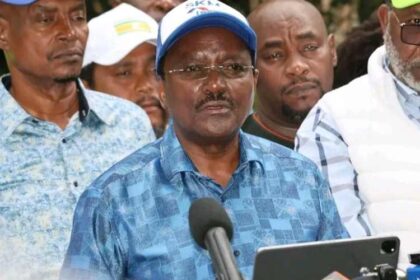
Deputy President Kithure Kindiki has recently adjusted his approach in the region. He has toned down confrontational language. He now promotes dialogue and restraint. This shift marks a clear break from earlier tensions. Those tensions involved his predecessor, Rigathi Gachagua, who still holds influence in Mt Kenya politics. Kindiki’s new tone reflects changing political realities. Rival camps have grown stronger. Public opinion has also become more fluid. Leaders now face pressure to build bridges instead of deepening divisions. By embracing unity, Kindiki seeks to remain relevant and credible. He also aims to protect his political standing within the region.
Unity, Rivalry and Grassroots Strategy
Historically, unity has given Mt Kenya a strong voice in national negotiations. When leaders in the region agree, they secure better political deals. They influence cabinet appointments and development priorities. However, divisions weaken this advantage. Competing factions often split votes and reduce bargaining power. Analysts have observed this trend in past elections.
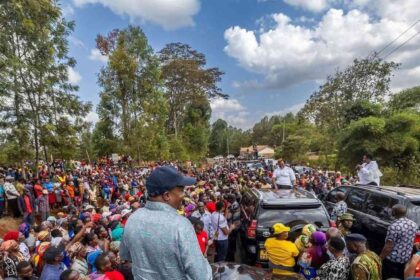
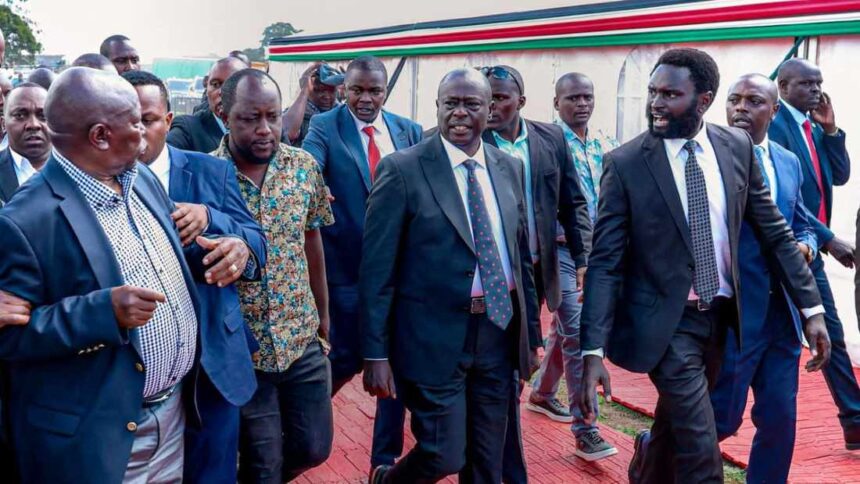
The current push for reconciliation follows this historical pattern. Leaders often adjust their strategies as elections approach. They respond to shifts in voter sentiment and elite alliances. Kindiki’s move fits within this broader tradition. He appears to recognize the risks of prolonged conflict. He also understands the value of rebuilding trust among local leaders. Kindiki has combined his unity message with grassroots mobilisation. He has held structured meetings with community leaders. He has also engaged professionals, clergy, and opinion shapers. These meetings focus on shared concerns and future planning. They aim to create a coordinated political base across Mt Kenya.
This approach mirrors earlier strategies used in Kenyan politics. Leaders often build networks at the grassroots level before elections. They use these networks to mobilise support and shape public opinion. Such efforts help create a sense of inclusion. They also strengthen loyalty among local influencers. In many cases, these networks prove decisive during campaigns.
Development, Public Sentiment and the 2027 Outlook
A central part of Kindiki’s message supports continuity under President William Ruto. He argues that backing the current administration offers long-term benefits. The logic is simple. If voters support an incumbent, they gain leverage in future negotiations. This argument has appeared in Kenya’s political history many times.
Leaders often frame alliances around future rewards. They promise development projects and political opportunities. They also appeal to shared identity and regional pride. In this case, Kindiki suggests that supporting Ruto could position Mt Kenya for greater influence later. This includes the possibility of a presidential bid in the future.
However, this message faces challenges. Public sentiment in Mt Kenya is shifting. Many voters express concern about the cost of living. Others question governance and accountability. These concerns affect how people view political promises. They also shape attitudes toward current leaders. Youth activism has added a new layer to this dynamic. The Gen Z protests in Kenya showed growing frustration among young people. Protesters raised issues about economic hardship and governance. Their actions influenced national debate. They also signaled a shift in political engagement.
Young voters now demand more accountability. They question traditional political narratives. They also rely on digital platforms to organise and share views. This trend reduces the control that political elites once held. It forces leaders to adapt their messaging and strategies. Economic factors also play a key role. Rising costs and limited opportunities affect daily life. Voters often link these challenges to government performance. As a result, development promises face greater scrutiny. Leaders must now provide clear and measurable outcomes. They cannot rely only on rhetoric. Despite these challenges, development remains a central campaign tool. Kindiki has increased his presence in project launches and inspections. These include roads, markets, and water projects. Such initiatives aim to show tangible progress. They also help build trust among local communities.
Development projects often serve both practical and political purposes. They improve living standards while reinforcing political support. Leaders use them to demonstrate commitment and effectiveness. In Mt Kenya, this approach has been common across administrations. It remains a key part of political strategy. The interplay between unity and rivalry continues to define Mt Kenya politics. Leaders must balance cooperation with competition. They seek to protect their interests while maintaining regional cohesion. This balance is not easy to achieve. It requires careful messaging and strategic alliances. As the 2027 election approaches, these dynamics will likely intensify. Political actors will refine their strategies. They will respond to changing voter expectations and alliances. Mt Kenya will remain a focal point in these calculations. Its choices will carry national consequences.