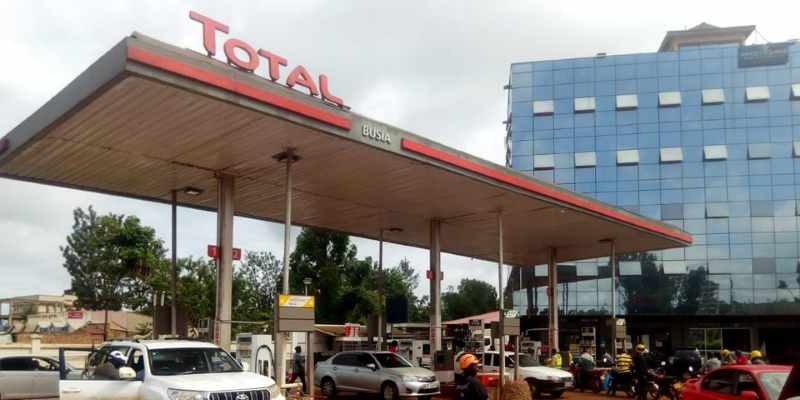
Kenya continues to experience fuel shortages, with reports indicating that some suppliers may be holding back stock. Global supply disruptions and geopolitical tensions in the Middle East have intensified the situation, affecting small-scale and independent petrol stations the most. Rural outlets, in particular, often report limited supplies, even as authorities maintain that national fuel reserves are sufficient. Counties including Murang’a, Meru, Nyeri, Kirinyaga, and Embu, are frequently affected. In Murang’a, petrol and diesel supplies are erratic, with only a few stations maintaining limited stock. Long queues form regularly as motorists compete for available fuel. Edward Njoroge, chair of the Murang’a South Public Service Transport Welfare Union, noted that some stations operate at only around 40 percent capacity, creating the risk of operational disruptions for vehicles across the region.
Similar challenges are reported in Chuka, Embu, Meru, Nanyuki, and Isiolo. Stations often turn motorists away due to stock shortages. Public service vehicles are periodically withdrawn from the roads, causing higher transport costs in some areas. Joseph Bundi, secretary of the Meru Matatu Owners, emphasizes the need for measures that ensure steady fuel supply, warning that disruptions can significantly affect transport operations.
Urban Areas and Panic Buying
Urban centers also face pressure. In Kirinyaga and Embu, panic buying occurs frequently, with long queues of motorists and boda boda riders forming at petrol stations. Public and private vehicles in counties such as Nyandarua and Laikipia are sometimes grounded due to scarcity. Stations in Trans Nzoia, including Kitale, Kiminini, Kachibora, and Endebess, report either closures or severe shortages.
Kisumu and Eldoret experience similar challenges. Some stations carry only petrol, others only diesel, while a few are entirely out of stock. Limited fuel availability increases waiting times and forces drivers to travel long distances to access supplies. Farmers in the North Rift are particularly affected, as diesel-powered machinery is essential for ploughing, planting, spraying, and fertiliser application. Delays in accessing fuel can directly impact agricultural productivity and food security.
Supply Chains and Regional Impact
The fuel shortage affects not only individual motorists but also broader logistics and supply chains. Long-distance transporters report rationed supplies, refusal of bulk orders, and withdrawal of credit facilities. Newton Wang’oo, chairman of the Kenya Transporters Association, points out that interruptions in fuel supply can affect the movement of goods, disrupt supply chains, and threaten Kenya’s role as a regional logistics hub.
Some regions, including Bomet, Kericho, and Narok, occasionally receive new deliveries that ease pressure on stations. However, shortages at rural stations often shift demand to franchise outlets, creating strain on those locations. Industry representatives note that ensuring consistent fuel distribution, particularly in remote areas, is essential to prevent widespread disruptions. The ongoing fuel shortage illustrates Kenya’s vulnerability to global supply pressures and the importance of maintaining reliable fuel distribution networks. Steady access to petrol and diesel is critical for transportation, agriculture, and logistics across the country, making effective management of fuel supply essential for economic stability and everyday life.