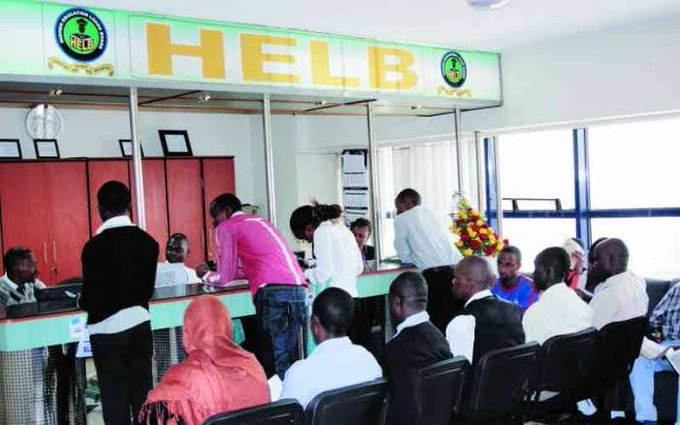
Kenya established the Higher Education Loans Board in 1995 to expand access to tertiary education. The agency took over student loan functions from the Ministry of Education. It became the main public institution for loans, bursaries, and scholarships. Over time, HELB grew into one of East Africa’s largest education financing systems.
Since its launch, HELB has supported education for millions of learners. More than 1.7 million Kenyan students have received loans or bursaries through the programme. The board has disbursed hundreds of billions of shillings over nearly three decades. Every academic year, it releases tens of billions of shillings to university and TVET students across the country.
The model relies on scale. Large numbers of beneficiaries allow broader access to education. At the same time, repayments from graduates are meant to sustain future funding. This revolving structure worked best when employment levels remained strong and repayment compliance stayed high.
How the HELB System Operates
HELB awards loans based on financial need. Applicants undergo a means-testing process. The system assesses household income, vulnerability, and family circumstances. Successful applicants receive funding for tuition and basic upkeep.
Graduates enter repayment after completing their studies. A grace period applies before deductions begin. Repayments flow through employers or direct payments. When compliance remains steady, funds recycle to new beneficiaries.
This approach transformed access to higher education. Students from low income households gained entry into universities and colleges. Counties across the country received billions of shillings in student financing. Entire communities benefited through improved skills and social mobility.
However, the system depends on discipline. Repayment delays weaken the cycle. Defaults place pressure on future disbursements.
The Growing Challenge of Loan Defaults
HELB now faces a major recovery problem. About 380,000 former beneficiaries remain in default. Together, they owe roughly Sh46 billion in unpaid loans. This figure represents one of the biggest threats to the revolving fund.
Defaults reduce available capital. Fewer funds reach new students. Planning becomes harder each academic year. Budget gaps widen as demand continues to rise.
Economic pressures fuel the trend. Graduate unemployment however remains high. Many young professionals also work in informal jobs. Others earn wages too low to support consistent repayments. Some beneficiaries exit the formal economy entirely.
Loan performance ratios reflect the strain. Roughly one-third of loan accounts classify as non-performing. At the same time, hundreds of thousands of borrowers still repay regularly. Their contributions keep the system afloat, though under growing stress.
Recovery Efforts and System Reforms
HELB has intensified recovery measures in recent years. The board now uses integrated government databases to trace defaulters. Payroll systems also help capture repayments from formal employment. Digital tools simplify compliance and payment tracking.
The agency has also cleared debts linked to deceased borrowers. It continues to refine its records. These efforts have recovered billions of shillings in recent financial cycles.
Incentives play a role. Penalty waivers encourage quick settlement. Flexible repayment plans support borrowers with irregular incomes. Digital platforms now allow easier access to statements and clearance certificates.
Policy discussions continue at the national level. Stakeholders debate long-term financing options. Some proposals focus on dedicated funding streams to stabilise student financing. Others explore income-based repayment models.
Balancing Access and Sustainability
HELB stands at a crossroads. The board has empowered millions through education access. At the same time, rising defaults threaten its future capacity. Sustainability now requires shared responsibility. Graduates must honour obligations. Employers must support compliance. Policymakers must strengthen recovery systems while protecting access.
The challenge however, remains clear. Without strong repayment culture, funding shrinks. With reform and discipline, the revolving model can endure. HELB’s history shows its impact. Its future also depends on how Kenya manages recovery in a changing economy.
Follow Our WhatsApp channel for more updates like this