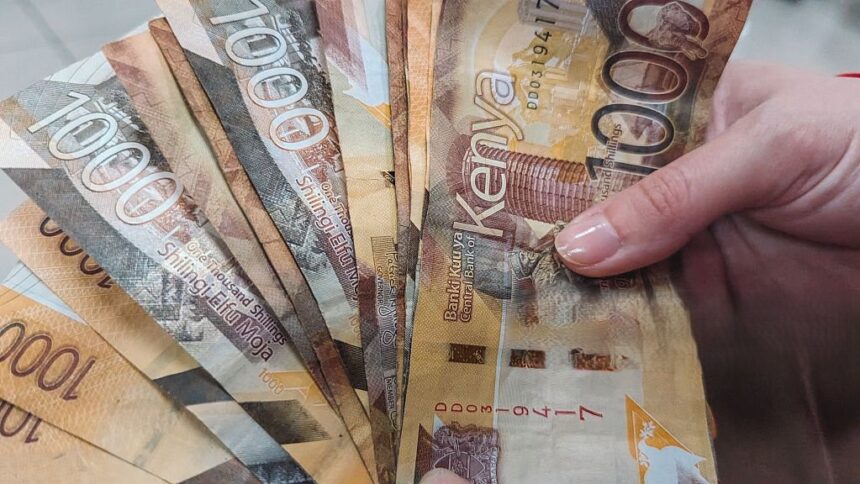
Kenya relies heavily on its diaspora. Money sent home from abroad supports households, small businesses, and the wider economy. Remittances now outpace traditional exports like coffee, tea, and tourism. In the 12 months to November 2025, Kenyans abroad sent home a record Sh650 billion ($5 billion), up from Sh628 billion ($4.9 billion) the year before.
New taxes in the United States, Saudi Arabia, and Europe could disrupt this vital flow in 2026. The taxes may reduce both the frequency and the amount of money sent home. Millions of families depend on these funds for daily needs, education, healthcare, and investment. A drop in remittances could affect both households and the national economy.
Remittances as a Household Safety Net
For many families, remittances are a lifeline. They pay school fees, medical bills, rent, and food. They also fund small businesses. In October 2025, the US alone accounted for more than half of all remittances. It sent Sh33.8 billion of the Sh56.6 billion total that month.
The US introduced a one percent excise tax on money sent abroad starting January 1, 2026. Even a small tax can reduce the amount families receive. Analysts predict it could cut US remittances by at least 1.6 percent. Families may delay school fees or healthcare. Consumer demand may fall in communities that depend on these funds.
Kenyans living in the UK, Germany, and the Netherlands also face new taxes on foreign income. These changes reduce the money migrants can send home. Despite the pressures, many migrants continue sending funds. They prioritize family obligations over their own convenience. Vincent Aberi of LemFi notes that migrants work hard to ensure their families are comfortable.
Rising Global Costs for Sending Money
Taxes are not the only challenge. Fees and currency conversion costs also reduce the amount that reaches families. Saudi Arabia now imposes a value-added tax on money transfer services. This adds to the cost of sending money home. Other Gulf countries, including the UAE and Qatar, may adopt similar rules.
Migrant workers, especially those earning low wages, feel the strain. Extra costs may force them to reduce the amount they send. Some may switch to informal channels. These channels are less secure and harder to track.
A study by the Centre for Global Development highlights the risks. Taxes can reduce remittances in two ways. First, a portion of the money goes to taxes. Second, the cost may discourage people from sending money at all. Low-income households are most affected.
Why Kenya’s Economy Depends on Diaspora Money
Remittances support more than families. They stabilize the economy. Inflows increase foreign reserves. They help maintain the Kenyan shilling’s value. They also boost domestic consumption.
Many households invest remittances in small businesses, real estate, or savings. A drop in these funds could slow entrepreneurship. It could reduce savings and limit access to credit. This would affect communities and the national economy.
Financial institutions have tried to make sending money easier. Platforms like DhowCSD allow migrants to send money efficiently. They reduce fees and improve tracking. But new taxes may still push some money into informal channels.
Timing matters. Kenya is still recovering from the pandemic. Remittances help maintain stability. A decline in inflows could slow growth and increase vulnerability to external shocks. Policymakers need to anticipate the impact. They could offer incentives, reduce domestic fees, or negotiate exemptions for migrant transfers.
The Human Impact
Numbers tell part of the story. Families face real consequences. Remittances pay for education, healthcare, and housing. They also fund investments and emergencies. Even small reductions affect daily life.
Migrants make sacrifices. They work long hours, often in low-paying jobs. Taxes and fees add pressure. But commitment remains strong. Most continue to send money, despite new costs. Families rely on their dedication.
Experts emphasize the social importance of remittances. Beyond economics, they represent hope and opportunity. A reduction in funds means more than lost money. It can delay education, postpone medical care, and slow business growth.
Protecting Remittance Flows
Remittances will likely remain resilient in 2026. Growth may slow, but families and migrants adapt. Policymakers, banks, and communities must plan. They can reduce domestic fees, pool resources, or advocate for exemptions.
Diaspora money connects Kenya to its citizens abroad. It reflects migrants’ sacrifices and family obligations. Protecting this flow is crucial. It sustains households, stimulates investment, and supports national growth.
Even with new taxes, the Kenyan diaspora remains determined. Every shilling sent represents security, hope, and opportunity. Preserving these flows protects families and the economy. It ensures that Kenya benefits from the efforts of its citizens, both near and far.
The story of diaspora remittances is one of resilience. Taxes and fees present challenges. But the bonds between migrants and families are stronger. As global regulations change, the human element of remittances remains vital. Kenya’s economy and its people depend on it.
Follow Our WhatsApp channel for more updates like this