
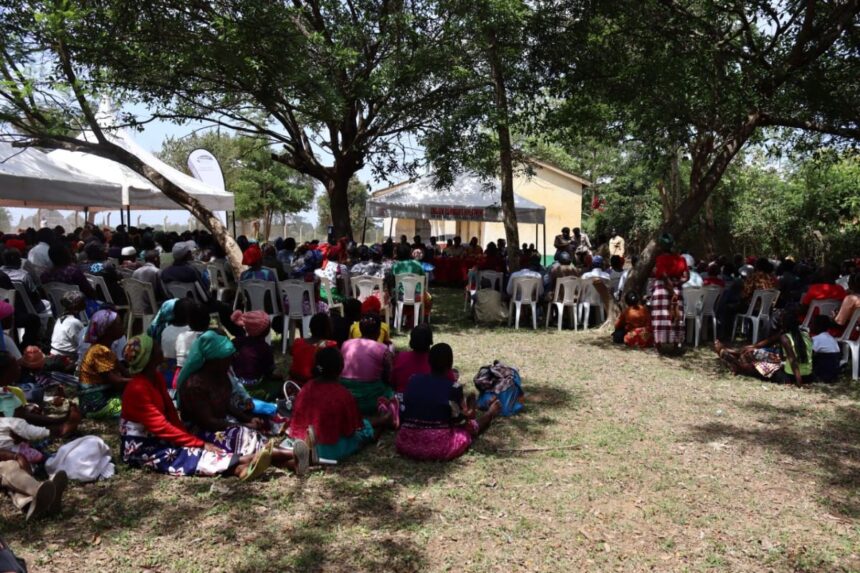
Recent developments show that participation is expanding. Yet challenges about inclusivity and effectiveness remain untouched. Articles 10, 118, and 232 of the Constitution underpin this right and duty of Public participation .It allows citizens to influence policymaking, planning, and governance. The Constitution recognises citizen involvement as a national value. It requires public engagement in lawmaking, policy design, and project planning and is also a cornerstone of Kenya’s democracy.
Why Citizens Must Be Heard
Public participation improves policy relevance. Citizens provide insights that shape laws, regulations, and national strategies. Engagement takes many forms, from town hall forums to digital submissions.
The Safaricom 15% stake sale is one of the most high profile cases. The government planned to sell part of Kenya’s largest telecom company. Citizens, civil society groups, and opposition leaders demanded consultation. Parliament responded by opening a formal public participation process. Kenyans submitted written comments and attended hearings. This process highlighted the importance of citizen input in major economic decisions.
County bills on alcohol control and minority rights also incorporated citizen views through hearings.
Financial legislation has been another key area. The National Treasury opened a national call for submissions to shape the Finance Bill 2026. Individuals, businesses, and civil society provided ideas on tax reforms and budget priorities. To widen access, Parliament digitised the participation process for the Finance Bill 2025. It added QR-code and online submission platforms to complement town hall meetings.
During the Finance Bill 2023 process, parliamentary committees recorded 1,080 memoranda from stakeholders, including industry associations and civil society. This shows measurable citizen engagement.
Sectoral policies have also benefited. The government extended the deadline for submissions on the Kenya E-Commerce Policy, allowing hybrid forums and remote input. The National Housing Bill (2024) held forums in at least 19 counties, enabling citizens and experts to shape affordable housing legislation.
At the institutional level, public hearings for the Judiciary Budget 2026/27 allowed ordinary citizens to influence justice funding.
These examples show that public participation now spans finance, housing, digital policy, and institutional planning. It goes beyond ad hoc consultations.
Formal participation also strengthens constitutional compliance. Kenyan courts ruled that public participation must be “real and not illusory.” Citizens must have a genuine chance to be heard. Superficial engagement has caused legal challenges and delayed initiatives.
Statistics on Public Engagement
Data shows both progress and gaps. A review of the Finance Act 2023 found that 91% of respondents did not actively participate in legislative consultations. Only about 9.3% reported actual involvement through hearings or submissions. This shows barriers still limit participation.
Reports also show that thousands of stakeholders men, women, and persons with disabilities participate in forums and document reviews. This highlights demographic diversity in engagement.
The Safaricom public participation process also attracted hundreds of submissions. Citizens highlighted concerns about transparency, valuation, and long-term impact on public resources. Civil society groups hosted town halls in Nairobi, Kisumu, and Mombasa, encouraging wider involvement.
Challenges and Negative Impacts
Challenges persist. Poorly organised consultations and short public notices limit citizen input. A High Court halted public participation on draft private security regulations due to short notice. Stakeholders across counties could not participate meaningfully.
Nationwide engagements are expensive. Costs can strain resources and limit the number of forums. In some cases, citizens feel participation is symbolic. Feedback may be collected but not integrated into final policy decisions.
Other challenges include limited access to information, low civic awareness, and geographic barriers. These affect rural and marginalised communities most.
Delays also occur when extensive consultations slow urgent policy implementation. Well-organised interest groups sometimes dominate discussions, sidelining ordinary citizens.
Balancing Engagement and Effectiveness
The government must plan early and conduct robust outreach. Digital tools should complement face-to-face forums. Citizens must see that their input influences policy outcomes.
The Public Participation Bill, 2025, aims to standardise processes. It sets minimum notice periods and tracks public input. If implemented well, it can improve access, transparency, and trust.
Public participation in Kenya has great potential. It strengthens democracy, improves policies, and empowers citizens. Engagement across sectors shows progress in involving ordinary Kenyans.
However, participation must move beyond formality. It must be inclusive, accessible, and impactful. With careful planning and genuine transparency, Kenya can make public participation a model of democratic engagement
Follow Our WhatsApp channel for more updates like this