
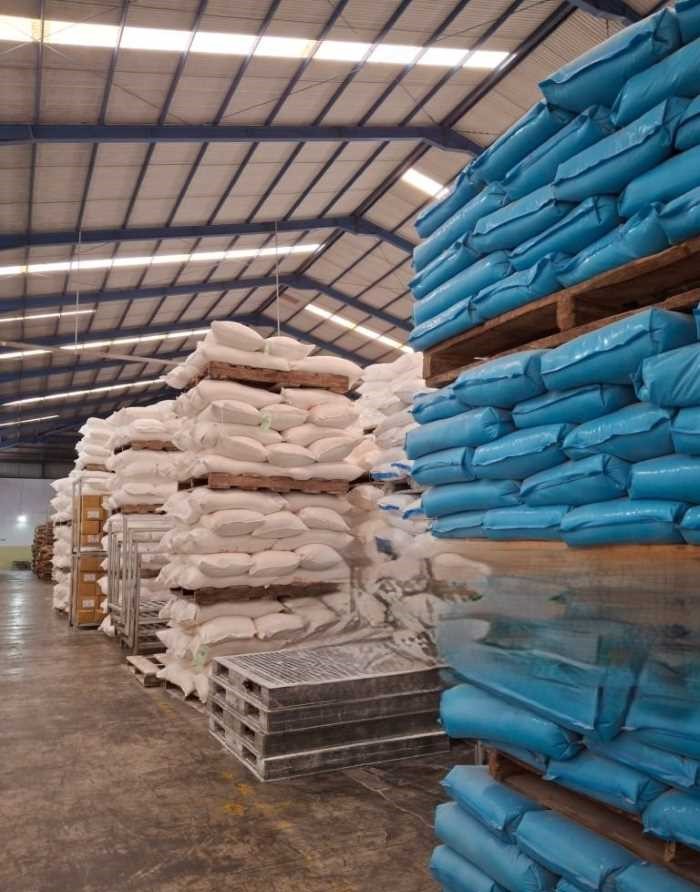
Farmers in major maize growing regions face a growing crisis. Counties like Uasin Gishu, Trans Nzoia, and Elgeyo Marakwet are struggling with fertiliser shortages. A fake fertiliser scandal has worsened the problem. The planting season has been delayed. Crop growth and yields are at risk. Rural livelihoods are under pressure. Farmers depend on timely and quality inputs. Delays highlight weaknesses in distribution and quality control. They also show gaps in farmer support systems.
Distribution Challenges and Planting Delays
Fertiliser is essential for staple crops like maize. The National Cereals and Produce Board (NCPB) supplies subsidised fertiliser to farmers. The North Rift counties were allocated tens of thousands of bags for the 2024–2025 season. Farmers expected the fertiliser to arrive before planting. Many did not receive it on time. Logistical challenges slowed deliveries. Some travelled long distances and spend days to access fertiliser. Late delivery affects planting schedules. Farmers plant after rains start. This shortens the growing season. Crops do not get enough time to mature when planted late which leads to yield potential declines. Some farmers buy expensive commercial fertiliser. Costs rise, and profits drop. Farmers face higher input expenses. Some reduce the amount of fertiliser they use. This further lowers crop performance.
Distribution problems also cause frustration. Farmers lose trust in government programmes, and some propose that the cabinet secretary for Agriculture steps down. They feel overlooked. Smaller farmers are the hardest hit. Large-scale farmers sometimes receive preferential treatment.
Fake Fertiliser Scandal and Its Impact
The crisis is worse due to fake fertiliser. Substandard products circulate in the market. Hundreds of thousands of subsidised bags are fake. Bags may contain stones or dust. Nutrients are missing. Crops cannot grow properly. Yields drop. Farmers lose money.
In Uasin Gishu, police seized 600 fake fertiliser bags. Seven suspects were arrested. Authorities investigated dealers in the North Rift. The government promised compensation. Farmers remain cautious. Many avoid subsidised fertiliser. Fake products damage confidence in official programmes. Farmers hesitate to plant with government supplies. Fake fertiliser directly affects crop performance. Plants show stunted growth. Maize may fail to tassel properly. Food security suffers. Farmer incomes decline. They cannot sell enough maize to cover expenses. Some families struggle to buy food. The scandal affects communities beyond farms. The problem is widespread. Trans Nzoia and Elgeyo Marakwet farmers also report fake fertiliser. Local markets sell uncertified products. Traders mix fake and genuine bags. Farmers often cannot tell the difference. Public campaigns aim to educate farmers. Experts warn that fake fertiliser can ruin the season.
Government Response and the Way Forward
The government is taking action. Fertiliser imports must be increased, however. Distribution should be acceleratedand ensure authorities monitor quality more closely. Public campaigns teach farmers how to identify genuine fertiliser. Compensation schemes help affected farmers. Experts recommend further reforms. Distribution must also be efficient. Fertiliser must reach farmers before planting. Independent quality tests should be mandatory. Transparent procurement systems are essential. Farmers need timely and reliable information. Civil society can help monitor supply chains. Collaboration between farmers, government, and NGOs is crucial.
Policies must adapt to changing conditions. Weather patterns, market prices, and population growth affect demand. Farmers must have access to both subsidised and commercial fertiliser. Early planning and coordination are necessary. Supply chains need robust tracking. Local authorities should report irregularities. Law enforcement must prevent fake fertiliser from entering markets. Farmers also play a role. They should verify suppliers. They must demand proof of authenticity. Farmers can report suspicious products to authorities. Community awareness helps stop illegal trade. Ensuring fertiliser quality and timely delivery supports food security. It boosts maize yields and farmer incomes. Stable production strengthens local economies.