Kenya’s Treasury is preparing a new mini budget for the current financial year. The move responds to rising spending pressures in key sectors. The review will adjust funds for education, health, and security. It will also cut recurrent spending in government agencies. Parliament will examine the supplementary budget when it resumes in February.
A school in Kwale County
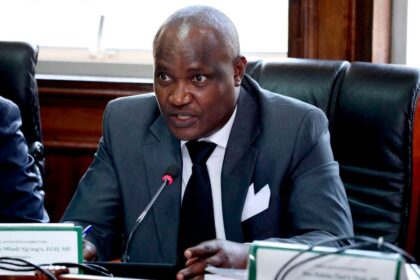
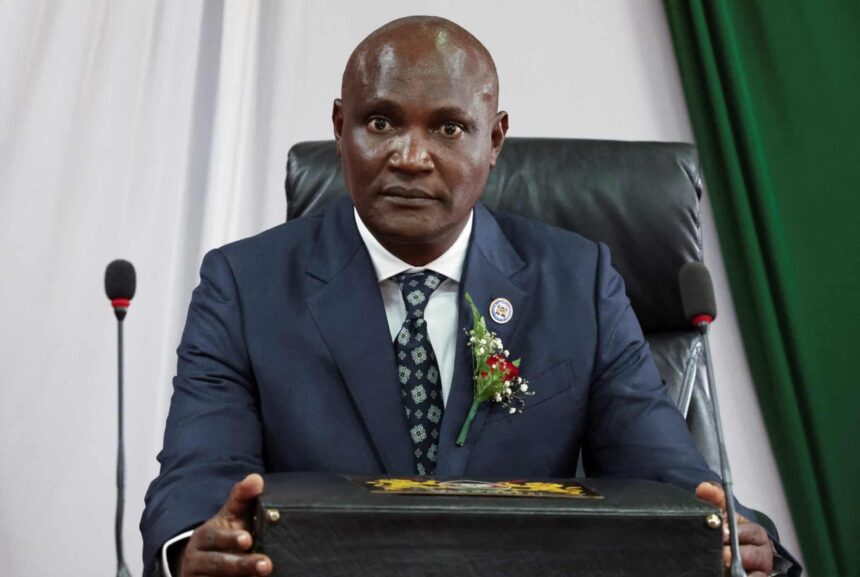
Treasury Cabinet Secretary John Mbadi said new demands forced the government to revise its plans. Teachers’ insurance costs rose after their medical cover shifted to the Social Health Authority. Lecturers also received additional money to end a long strike in public universities. These two items alone pushed spending up by more than Sh15 billion. Mr Mbadi said the government must also strengthen medical support for security officers. The security sector has made several emergency requests due to service gaps. The Treasury plans to increase funding for primary healthcare too. It wants to focus on chronic illnesses, emergency care, and critical treatment.
At the same time, the ministry plans to reduce waste. It has warned agencies against excessive conferences and training. These activities have created unnecessary spending pressures. More cuts are expected as the Treasury works to contain recurrent expenditure.
Emergency Spending and Donor Project Risks
Treasury already used Article 223 of the Constitution to make emergency allocations. This article allows spending before Parliament approves it. Most of the money went to urgent security needs. Some funds also supported donor backed projects that risked losing financing due to strict deadlines.
The Parliamentary Budget Office recently issued a warning. Kenya faces a Sh130 billion shortfall in counterpart funding. This gap threatens more than 230 ongoing projects. Many of these projects rely on Sh2.1 trillion in loans and grants. Without local funding, donors can withdraw or freeze financing. Treasury has released emergency funds to keep key projects running. It hopes to protect projects that are close to completion. Kenya also spent Sh7.9 billion to end a 49-day lecturers’ strike. The strike paralysed learning in public universities. The payout added pressure on the current budget. It is now part of the items that will appear in the mini budget. The government hopes the adjustments will stabilise priority programmes and maintain donor confidence.
New medical oxygen plants in Nairobi Oct 2025
The Treasury has not announced the full size of the supplementary budget. However, more adjustments are expected. Lower revenue remains a major challenge. The Kenya Revenue Authority missed its first quarter target by Sh90 billion. Mr Mbadi said the government will cut spending again if revenue remains low. He said the Treasury wants to avoid borrowing more money.
Frequent Budget Reviews Highlight Fiscal Strain
This is not the first mini budget this year. In June, the Treasury revised allocations, cutting the roads budget, increasing education funding, and adding money to State House for domestic travel. These changes reflected rising demands and weak revenue.
The government has relied on supplementary budgets to manage essential services amid persistent revenue shortages. Spending pressures have also grown due to security needs, healthcare demands, and the rising cost of public services. The upcoming mini budget highlights the depth of Kenya’s fiscal challenges, as the Treasury balances new spending with limited revenue while settling pending bills and protecting critical sectors.
Frequent reviews show that the country’s finances remain under strain. The Treasury continues to walk a tightrope to meet national needs without increasing debt.
Also read: Primary School Teachers to Invigilate 2025 KCSE Exams