Banditry remains a serious threat in parts of Kenya. It affects mainly arid and semi-arid regions. Counties such as Baringo, West Pokot, Turkana, Samburu, Laikipia, and Elgeyo Marakwet face repeated attacks. Armed groups carry out cattle raids, ambushes, and robberies. Over time, violence has shifted from traditional rustling to organised crime. Illegal firearms now dominate these attacks. Poor roads, drought, and poverty continue to fuel insecurity. Many communities feel isolated and unprotected.
Exact Incidents That Reveal the Human Cost
Baringo North shows the real cost of banditry. For years, the Marigat–Moinonin Chemolingot road remained unsafe. Armed ambushes forced travellers to rely on police escorts. Families fled their homes. Schools and health centres closed.
In January 2022, Stephen Kwonyike, a livestock trader from Chepkesin, travelled to Lamaiywe to look for pasture. Drought had worsened conditions. He did not know armed criminals had attacked the area earlier. He rode into an ambush. Gunmen shot him dead. They burned his motorcycle and body. They stole more than Sh400,000. Authorities later identified him using the motorcycle’s number plate. He left behind three widows and more than 24 children.
Another attack followed in April 2023. Raymond Kwonyike, 36, herded livestock in Ng’aratuko village with his brother Moses. Armed men cornered them. They opened fire at close range. Raymond died on the spot. Moses survived with severe injuries. Doctors later declared him permanently disabled. The attackers stole more than 18 cows. Hospital bills later exceeded Sh500,000. Further raids later that year wiped out the family’s remaining 24 cows. The family lost its only source of income.
Banditry Beyond Baringo
Violence has spread across neighbouring counties. In Laikipia, armed groups have attacked farms and conservancies. Workers have died. Families have fled. In Turkana and West Pokot, raids increase during droughts. Communities fight over pasture and water. Samburu has also recorded deadly ambushes. Some attacks target security officers.
Most attackers use automatic weapons. Illegal guns circulate widely in these regions. What once involved spears now involves rifles. Criminal networks drive many raids. Some leaders exploit ethnic tension for personal gain. The violence keeps communities trapped in fear and poverty.
Security Operations and the Natembeya Era
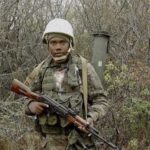
The State has responded with security operations. One major initiative is Maliza Uhalifu. The operation brings together police, military, and intelligence units. It targets armed groups and secures key roads. It also encourages civilians to surrender illegal firearms. In parts of Baringo North, the operation has restored calm. Civilian traffic has returned. Schools, churches, and markets have reopened.
These efforts build on earlier campaigns led by George Natembeya. He served as Rift Valley Regional Commissioner from 2019 to 2022. He led aggressive operations against banditry. His team focused on West Pokot, Baringo, Elgeyo Marakwet, Samburu, and Laikipia. They used intelligence to track armed groups. Security forces carried out targeted disarmament. Authorities imposed curfews in hotspot areas.
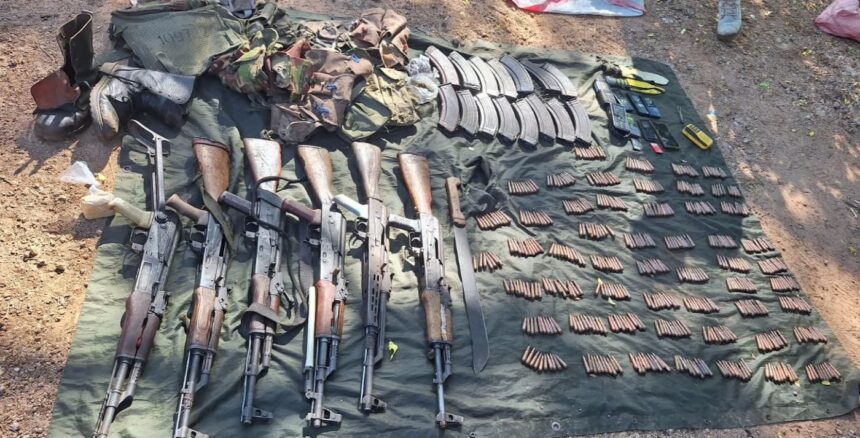
During his tenure, officers recovered hundreds of illegal firearms. They seized large quantities of ammunition. Security teams arrested or killed several bandit leaders. Some schools and roads reopened after years of closure. His approach drew criticism for being forceful. However, attacks reduced in several regions during that period.
Disarmament, Development, and the Path to Lasting Peace
Disarmament remains central to ending banditry. The government urges civilians to surrender illegal firearms. Elders and local leaders support the process in some areas. Faith institutions also play a role. Churches such as the Pentecostal Assemblies of God host peace meetings. They promote dialogue and reconciliation.
Development supports these efforts. New roads improve access and security response. Schools and training centres offer alternatives to herding. Water and irrigation projects reduce conflict during droughts. Community-led peace talks help reduce revenge attacks.
Faith leaders continue to speak out. Pastor Mark Kwonyike remains a strong voice for peace. He lost family members to banditry. He still calls for calm and unity. His message reflects a wider truth. Banditry is not only a security issue. It is a development challenge. Kenya will achieve lasting peace only through sustained security, full disarmament, and long term investment in marginalised regions.
Follow Our WhatsApp channel for more updates like this