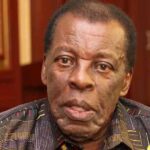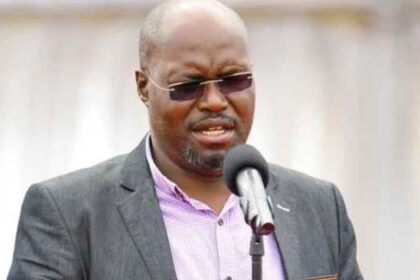
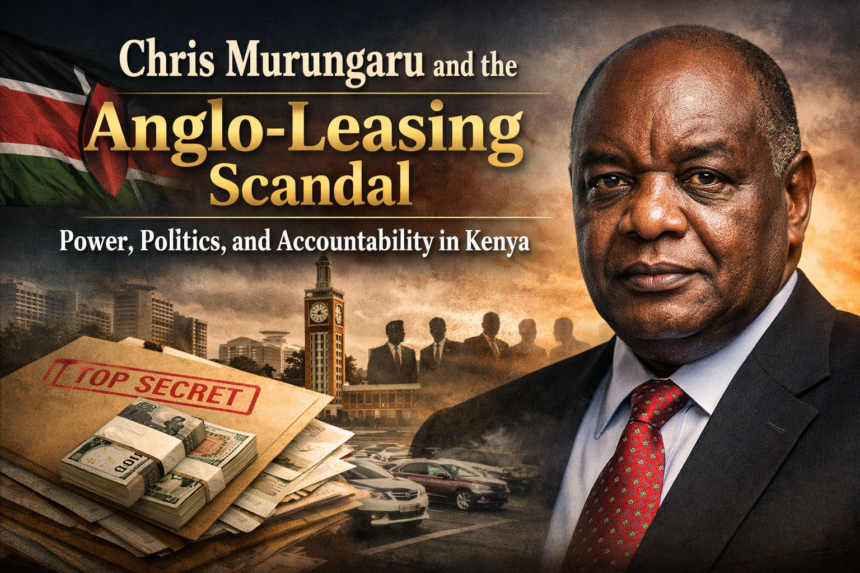
Chris Ndarathi Murungaru is a former Kenyan politician, academic, and cabinet minister who served in senior government positions during President Mwai Kibaki’s first administration. He rose to national prominence after the 2002 political transition and later became a central figure in Kenya’s most consequential governance debates, particularly those surrounding corruption, accountability, and constitutional rights.
Early Life and Background
Chris Murungaru was born on 19 August 1954 in Nyeri County, located in Kenya’s Central region. He grew up during the late colonial period and the early years of independence, a time marked by political transformation and expanding access to education.
His upbringing in Nyeri exposed him early to public service and national leadership debates. While he maintained a largely private personal life, he was widely regarded as disciplined, reserved, and intellectually inclined.
Education and Academic Career
Murungaru pursued higher education both locally and abroad, ultimately earning a Doctor of Philosophy (PhD). This achievement placed him among a relatively small number of Kenyan politicians with doctoral level qualifications at the time.
Before entering frontline politics, he worked as a lecturer and academic administrator. His academic background contributed to his reputation as a technocrat and policy-oriented thinker, qualities that later shaped his role in government.
Entry into Politics
Murungaru entered national politics during Kenya’s historic political shift in 2002. He was elected Member of Parliament for Kieni Constituency under the National Rainbow Coalition (NARC).
The NARC victory ended decades of one-party dominance and generated widespread public optimism. Murungaru emerged as one of the educated, reform-minded figures associated with the new administration.
Rise Within the Kibaki Administration
Following his election, Murungaru became a close ally of President Mwai Kibaki. His loyalty, academic credentials, and administrative skills earned him senior responsibilities in government.
He quickly gained influence within the ruling coalition and was seen as part of a new generation of leaders expected to drive reform and institutional renewal.
Minister for Internal Security
Murungaru was appointed Minister for Internal Security, one of the most powerful portfolios in government. The ministry was responsible for policing, internal intelligence coordination, and public order.
His tenure coincided with a sensitive transition period as Kenya sought to reform security institutions after years of authoritarian rule. The ministry faced challenges related to crime, public demonstrations, and political tensions within the coalition government.
Minister for Transport
Murungaru was later transferred to the Ministry of Transport, where he oversaw aviation regulation, maritime affairs, ports, and road transport policy.
The transport sector was critical to economic recovery, trade, and regional integration. His role placed him at the center of infrastructure planning and regulatory oversight during a period of renewed public investment.
The Anglo-Leasing Scandal
Murungaru’s public standing changed significantly with the emergence of the Anglo Leasing scandal. The scandal involved allegations of irregular, overpriced, or incomplete government contracts for security-related projects.
In 2005 and 2006, former anti-corruption official John Githongo publicly named Murungaru among senior officials allegedly linked to the scandal. These claims triggered widespread public debate, political instability, and international scrutiny of the Kenyan government.
Murungaru consistently denied any wrongdoing.
Wealth Declaration and Legal Challenge
As public pressure intensified, anti-corruption authorities sought to have Murungaru declare and explain his wealth. He challenged the request in court.
Murungaru argued that the demand violated constitutional protections, amounted to self incrimination, and lacked proper legal safeguards. The case became symbolic of broader tensions between anti corruption efforts and individual rights under Kenyan law.
Removal from Cabinet
Following the government’s defeat in the 2005 constitutional referendum, President Kibaki reshuffled his cabinet. Murungaru was dropped from the cabinet, marking a major turning point in his political career.
His removal was widely viewed as a response to political pressure and public dissatisfaction, despite the absence of a criminal conviction.
Electoral Defeat and Withdrawal from Politics
In the 2007 general election, Murungaru lost his parliamentary seat. The defeat effectively ended his active political career.
His loss reflected changing voter attitudes, growing demands for accountability, and the long term political impact of corruption allegations.
After the election, Murungaru largely withdrew from public political life.
Defamation Case Against John Githongo
Years later, Murungaru returned to public attention through a defamation lawsuit against John Githongo. He argued that repeated public allegations had damaged his reputation without resulting in criminal prosecution.
In 2019, the High Court ruled in his favour and awarded damages. In 2022, the Court of Appeal upheld the finding of defamation while reducing the compensation amount.
The case reignited national debate on whistle-blowing, media responsibility, and due process.
Public Image and Personal Character
Murungaru has often been described as private, cautious, and legally assertive. Unlike many politicians, he avoided populist rhetoric and maintained a low public profile after leaving office.
His approach reinforced perceptions of him as an intellectual and institutional figure rather than a mass mobilizer.
Legacy and Historical Significance
Chris Murungaru’s legacy remains contested. Critics associate him with the unfulfilled anti-corruption promise of the post 2002 era. Supporters argue that his experience exposes weaknesses in investigative processes and the risks of trial by public opinion.
His life and career continue to shape discussions on governance, accountability, whistle blowing, and constitutional rights in Kenya.