Early Life and Education
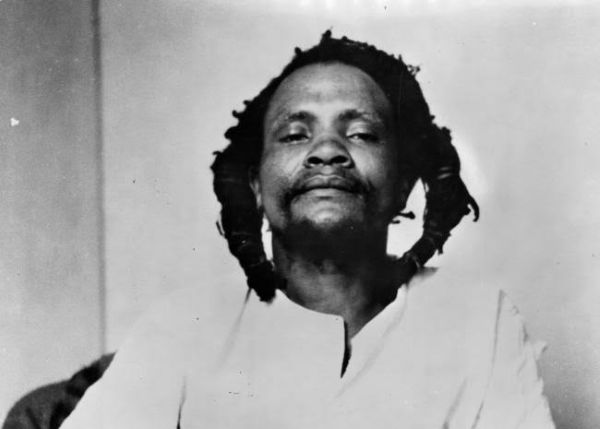
Dedan Kimathi Waciuri was born Kimathi wa Waciuri on 31 October 1920 in Thegenge Village, Tetu, Nyeri District, then British Kenya. His father died before his birth. His mother, Waibuthi, raised him with his siblings. Kimathi grew up in a large Kikuyu family. From an early age, he showed intelligence, courage, and a rebellious spirit. These traits later defined his leadership in Kenya’s liberation struggle.
Kimathi started school at Karuna Ini Primary School. He learned English quickly. He joined the debate club, which helped him speak confidently and share ideas about freedom and later studied at Tumutumu CMS School, but financial difficulties forced him to leave. Even as a student, he showed independence. He taught classmates and traded small goods to raise money for school fees.
Early Career and Political Awakening
After school, Kimathi took on several jobs. He worked for the forest department, collecting tree seeds. In 1941, he joined the British army during World War II. He was discharged within months amid allegations of misconduct. Later, he became a primary school teacher, but he lost the job. These experiences deepened his distrust of colonial authority and shaped his determination to fight injustice.
In the late 1940s, Kimathi joined the Kenya African Union (KAU), an organization pushing for African rights. By 1950, he became secretary of the Ol Kalou branch. He met other activists and militants seeking independence. Kimathi joined the Forty Group, a secret militant organization. It later became the Kenya Land and Freedom Army (KLFA), popularly known as the Mau Mau. He led oath ceremonies and encouraged fighters to remain loyal to the cause of freedom.
Mau Mau Leadership and Struggle
When the British declared a state of emergency in 1952, Kimathi moved to the forests of Mount Kenya and the Aberdare Range. He became the supreme commander of the Mau Mau fighters. Dedan trained soldiers, planned guerrilla attacks, and coordinated operations. Also, he held war councils with top commanders such as General China, Musa Mwariama, Baimungi M’marete, and Muthoni Kirima. He inspired discipline, courage, and loyalty among his fighters.
Kimathi led the Mau Mau in battles against British forces, settler communities, and loyalist militias. Their struggle was both military and symbolic. It represented anger over land theft and years of oppression. The revolt gained support from Kikuyu, Embu, and Meru communities. It forced the colonial government to commit large military resources to stop the rebellion. The Mau Mau’s resilience exposed the cruelty and weaknesses of colonial rule.
The fighters lived in harsh conditions in the forests. They survived on roots, wild fruits, and stolen supplies. Kimathi often shared their hardships. He encouraged unity, bravery, and hope. He used oath ceremonies to strengthen loyalty. Fighters swore to fight for land, justice, and freedom. These ceremonies built solidarity and kept morale high, even under extreme danger.
Capture, Execution, and Legacy
By October 1956, British forces increased their pursuit of Kimathi. Officer Ian Henderson led manhunts across the forests. Some locals betrayed the Mau Mau. Kimathi was wounded and captured. He was quickly tried for illegal possession of firearms at Nyeri General Hospital. On 18 February 1957, the British executed him by hanging at Kamiti Maximum Security Prison. His grave remained unmarked, aiming to prevent it from becoming a shrine.
After independence in 1963, recognition of Kimathi grew slowly. By the early 2000s, he was widely acknowledged as a national hero. On 18 February 2007, President Mwai Kibaki unveiled a bronze statue of Kimathi on Kimathi Street, Nairobi. The statue shows him holding a rifle and dagger. Dedan Kimathi University of Technology in Nyeri also honors his name.
Kimathi remains a symbol of resistance, courage, and African nationalism. His life shows the hardships, determination, and sacrifices of Kenya’s fight for freedom. Kenyans remember him as a fighter, leader, and inspiration. His bravery continues to inspire generations to defend justice and fight oppression.
Follow Our WhatsApp channel for more updates like this