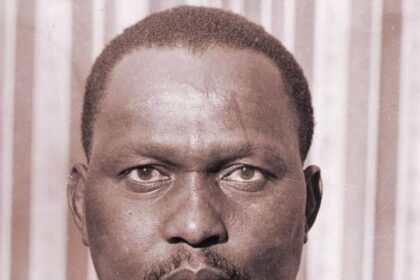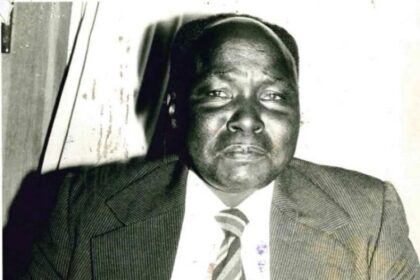
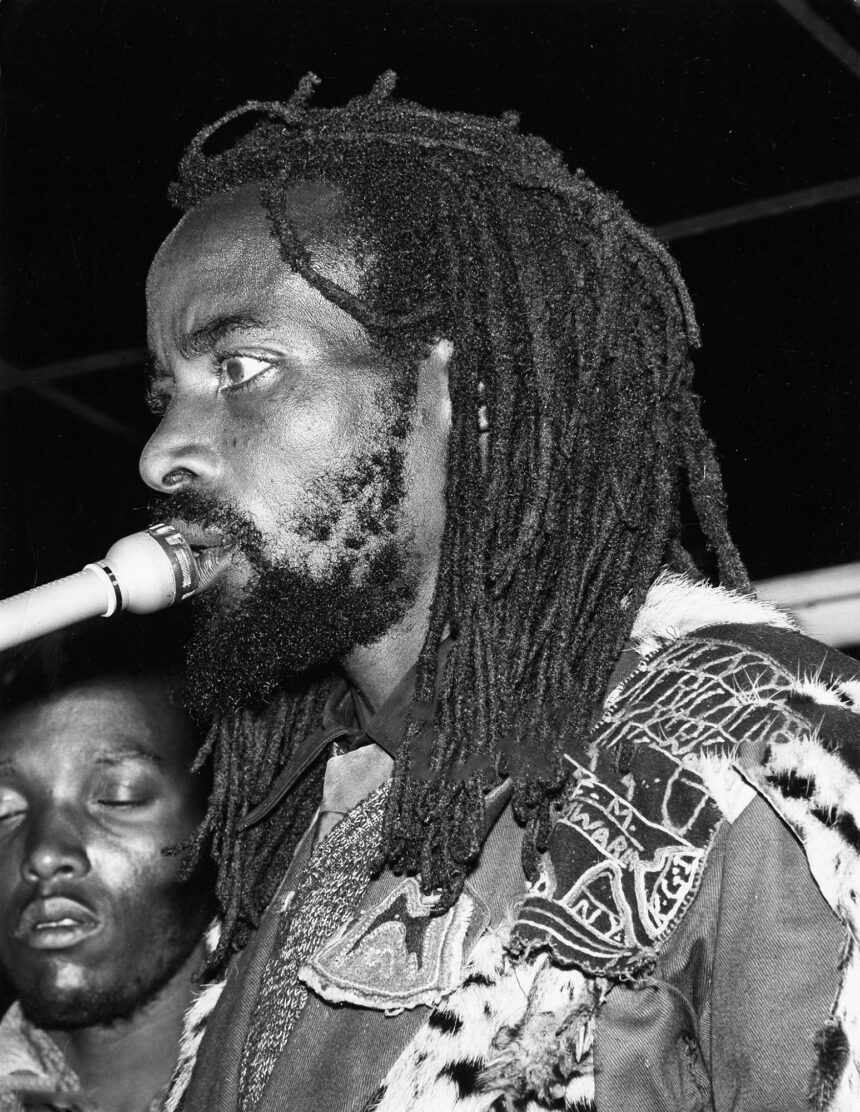
Field Marshal Musa Mwariama emerged as one of the most formidable leaders of Kenya’s Mau Mau liberation struggle. His journey into resistance began in the early 1950s, when colonial injustices reached unbearable levels for African communities. Land dispossession, forced labour, racial discrimination, and political exclusion pushed many young men into rebellion. Mwariama joined the Mau Mau movement driven by a deep sense of injustice and a desire to reclaim dignity and land for his people. From the beginning, he demonstrated exceptional leadership qualities. He showed discipline, loyalty, and an ability to organise fighters under difficult conditions. These traits quickly earned him the trust of fellow combatants. Unlike many recruits, Mwariama grasped the broader political purpose of the struggle. He understood that Mau Mau was not simply about violence, but about restoring African self-rule and breaking colonial domination.
Leadership in the Mount Kenya Forests
Mwariama operated mainly in the Mount Kenya forest, one of the main strongholds of Mau Mau resistance. After the declaration of the State of Emergency in 1952, colonial forces intensified their campaign against fighters. British troops, home guards, and aerial patrols hunted guerrilla units relentlessly. Despite this, Mwariama played a key role in sustaining armed resistance during the most brutal phase of the war. He helped coordinate attacks, organise supply lines, and maintain communication between different fighting units. His deep knowledge of the terrain allowed fighters to move quickly and evade capture. As pressure mounted, Mwariama rose through the ranks to become a Field Marshal, the highest military title within the Mau Mau movement. This position reflected his authority, experience, and strategic skill. As Field Marshal, he enforced discipline and unity among fighters. He discouraged internal conflict and stressed loyalty to the cause. He also helped administer Mau Mau oaths, which bound fighters to secrecy and commitment. These oaths strengthened morale and cohesion at a time when betrayal could destroy entire units.
Survival, Strategy, and Moral Authority
One of Musa Mwariama’s greatest achievements during the Mau Mau war was his ability to evade capture throughout the entire Emergency period. While many senior commanders were arrested, killed, or forced into detention camps, Mwariama remained free in the forest until the armed phase of the struggle ended. This survival was the result of careful planning, intelligence networks, and strict operational secrecy. His continued presence inspired fighters and supporters alike. It proved that colonial power was not absolute. Communities that supported the fighters saw him as a symbol of resilience and hope. Despite severe shortages of food, medicine, and weapons, Mwariama shared the hardships of his troops. He lived among them, endured hunger and disease, and led from the front rather than from safety. Mwariama also understood the importance of civilian support. He discouraged unnecessary violence against non-combatants and emphasised protecting communities that provided food, shelter, and information. This approach helped sustain the movement and preserved its moral legitimacy in the eyes of ordinary people.
Legacy of the Mau Mau Struggle
By the late 1950s, the Mau Mau armed struggle weakened under sustained colonial pressure. Many fighters surrendered or were captured, but Mwariama avoided arrest. His survival placed him among the few senior Mau Mau leaders who transitioned directly into the independence era without detention. After independence in 1963, he became a powerful symbol of the armed resistance that helped secure Kenya’s freedom. Mwariama later entered politics, serving as a Member of Parliament. His political career reflected the transition from armed struggle to nation building. However, he remained outspoken about the unfulfilled promises of independence. He criticised the marginalisation of Mau Mau veterans and the failure to address land injustice, reminding the nation of the sacrifices made in the forests. Musa Mwariama’s achievements during the Mau Mau period remain central to Kenya’s liberation history. He rose to the highest rank through courage and discipline and sustained resistance under extreme pressure. He survived the war without surrender. His life stands as a testament to resilience, strategic leadership, and the enduring spirit of freedom fighters who shaped Kenya’s independence.