
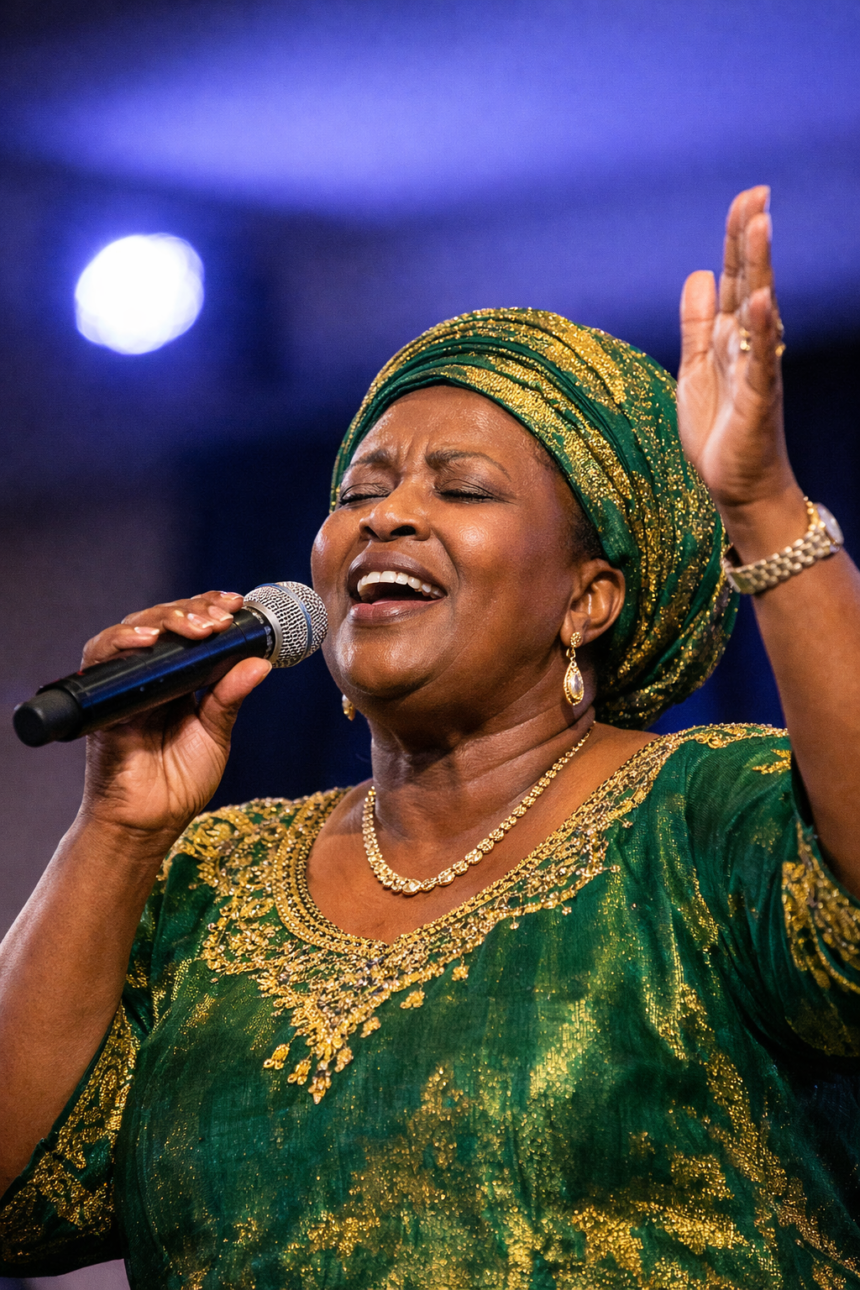
Jemimah Thiong’o is one of Kenya’s most respected gospel musicians. She rose from humble beginnings to become a voice of faith and testimony for many believers across East Africa. Her music has touched countless lives with themes of divine provision, hope, and spiritual strength. Yet her story is not only about praise songs and success. It is also one of resilience, struggle, and determination in a changing music industry.
Roots and Rise in Gospel Music
Jemimah Thiong’o’s musical journey began in her youth. She grew up in a Christian home where singing and worship were part of daily life. As a child, she joined the school choir and continued to nurture her gift through church activities and local gatherings. Over time, her passion for music grew into a calling. She pursued her craft with a focus on ministry rather than fame.
Her breakthrough came with songs that spoke to ordinary people’s deepest struggles and hopes. Tracks like Akisema Atakubariki and Pendo La Ajabu became not just radio hits but spiritual experiences for listeners. These songs carry stories of faith, mourning, and victory, and they resonated widely because they reflected everyday realities for many Kenyans. Through her music, Thiong’o built a bridge between traditional worship and the emotional landscapes of her audience.
Her influence peaked in the 2000s, when gospel music began to gain mainstream traction in Kenya. Thiong’o’s recordings sold tens of thousands of copies and became staples at church events, family gatherings, and moments of personal reflection. Her ability to blend simple melodies with deep spiritual messages helped her stand out in a crowded field of worship leaders and musicians.
Legacy of Ministry and Community Impact
Beyond commercial success, Jemimah Thiong’o became known for her heartfelt ministry. She did not just sing at concerts; she connected with people through their stories. Her music often reflected her own life experiences — from times of uncertainty to moments of breakthrough. This personal touch gave her songs authenticity and helped forge a deep bond with her listeners.
In many ways, she became a spiritual mentor figure to younger gospel artists, sometimes referred to affectionately as “mum” in the industry. Her legacy extends beyond hit songs. It includes the impact of her ministry on a generation of believers who found solace or strength in her lyrics and performances.
She also collaborated with other respected gospel artists. One notable work was Lipo Tumaini, a collaboration with Reuben Kigame and Princess Faridah, which carried a message of hope and perseverance. The song’s blend of voices and styles reflected Thiong’o’s belief in collective ministry through music.
Legal Battles and Industry Challenges
As Kenya’s music industry evolved, so did the challenges facing artists like Jemimah Thiong’o. One of the most significant issues she has confronted is the struggle for fair compensation and copyright protection.
In 2025, she intensified a long‑running legal battle against telecommunications giant Safaricom over alleged unauthorized use of her music. Thiong’o claimed that the company profited from her songs on digital services without her permission or proper licensing. She filed a lawsuit seeking KSh 15 million in damages, arguing that she had not received rightful royalties from the commercial distribution of her work for years.
According to court documents, several of her popular tracks were made available on platforms such as Skiza Tunes a ring‑back tone service without proper authorization. Thiong’o contended that this not only deprived her of income but also damaged her professional reputation. The case also highlighted systemic issues in how digital music distribution agreements are handled in Kenya, especially regarding the rights and earnings of original content creators.
This legal struggle underscores a broader concern for many Kenyan artists: the tension between creative ownership and corporate use of intellectual property. Thiong’o’s lawsuit became a focal point in conversations about fair compensation, respect for artist rights, and the responsibilities of intermediaries in the music ecosystem.
Personal Trials and Public Appeal
Amid her musical career and legal battles, Jemimah Thiong’o has faced personal challenges that brought her closer to her supporters. In 2024, she made a heartfelt public appeal for financial assistance to cover her husband’s medical expenses after a routine procedure led to prolonged complications. Her family organised fundraisers and reached out to well‑wishers, highlighting not only the emotional cost of the situation but the real financial pressures many artists endure outside the spotlight.
That appeal revealed a side of life that many fans do not see the vulnerability and human challenges behind the music. It also demonstrated the deep connection she has with her audience and the broader community. Many church groups and fellow artists rallied to support her, reinforcing the sense of unity within Kenya’s gospel community.
Despite these testing times, Thiong’o continued to engage with her music and ministry, reminding her supporters that faith and perseverance remain central themes in both her life and art.
A Lasting Influence on Kenyan Gospel Music
Jemimah Thiong’o’s story cannot be told solely through her songs or awards. It is a narrative of spiritual dedication, artistic resilience, and steadfast loyalty to her faith. Her journey from church choirs to national stages mirrors the rise of gospel music in Kenya. Where once the genre was confined to Sunday services, it now occupies a vital space in the country’s cultural landscape, and artists like Thiong’o have helped lead that transformation.
Her music is not historical relic; it continues to find new listeners long after its first release. Many of her songs carry testimonies of personal change and community transformation. Through collaborations, performances, and recordings, she has helped shape a gospel music tradition that blends spiritual depth with broad appeal.
In a world where entertainment often overshadows message, Jemimah Thiong’o holds firm to the conviction that music is ministry. Her voice remains a testament to the power of song to heal, encourage, and uplift.