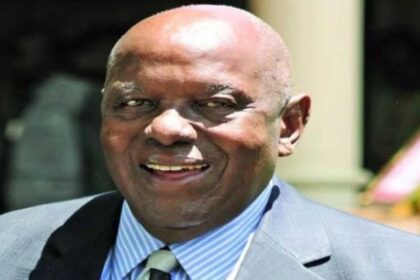
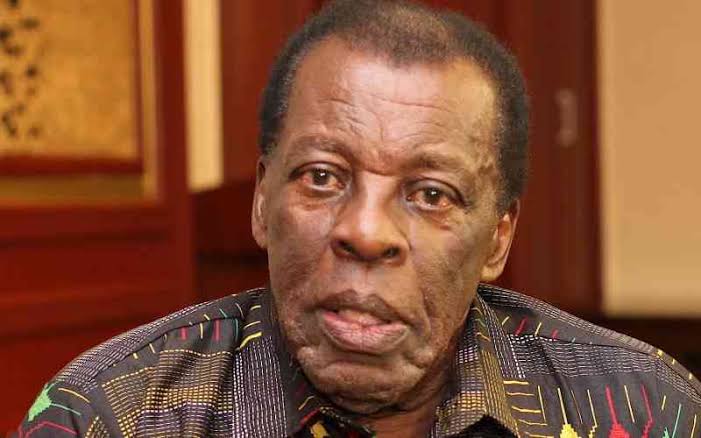
His early experiences instilled a strong sense of moral duty and social awareness. He observed the challenges ordinary Kenyans faced, from inequitable access to education to political marginalization. These experiences shaped his later work, giving him a unique perspective on the role of media in shaping public values and national identity.
He became widely known for his programme Je, Huu ni Uungwana?, which explored questions of ethics, morality, and civic responsibility. The show encouraged Kenyans to reflect on their actions, societal norms, and personal values. It became a national phenomenon, with listeners across the country tuning in weekly to hear Mambo Mbotela’s insights. His ability to combine storytelling with moral instruction helped him reach both rural and urban audiences, making complex social and ethical issues accessible to all.
Beyond radio, Mambo Mbotela also contributed to other media platforms, writing columns and participating in civic education initiatives. He emphasized the media’s role not just as a source of information but as a moral guide and agent of societal cohesion. His work was instrumental in encouraging public discourse and civic responsibility during periods of social and political change in Kenya.
Advocacy and Social Impact
Leonard Mambo Mbotela’s influence extended beyond broadcasting. He used his public platform to advocate for social development, ethical governance, and youth empowerment. He frequently highlighted issues affecting families, communities, and marginalized groups, emphasizing honesty, accountability, and service to others.
Through his work, Mambo Mbotela helped cultivate a culture of reflection and civic engagement. Listeners were inspired to uphold ethical standards in their personal and professional lives. Political leaders, educators, and community organizers often cited his guidance as a benchmark for integrity and moral leadership. His advocacy also reinforced the importance of national unity, social cohesion, and respect for Kenyan traditions and values.
He was particularly committed to youth development. Understanding that Kenya’s future depended on informed and responsible young citizens, Mambo Mbotela promoted education, mentorship, and community participation. His messages often encouraged young Kenyans to pursue careers in public service, journalism, and civic activism, reinforcing the principle that societal change begins with personal responsibility.
Recognition and Legacy
Mambo Mbotela’s contributions to Kenyan society earned him widespread recognition. Throughout his career, he received numerous awards for excellence in broadcasting, public service, and civic education. His influence on the media industry is particularly notable. Many contemporary journalists and broadcasters cite him as an inspiration, emulating his professionalism, ethical approach, and commitment to the public good.
His legacy is not confined to awards or accolades. It is found in the countless Kenyans whose lives were touched by his words and example. Je, Huu ni Uungwana? became more than a radio show; it was a moral compass for the nation. His insistence on integrity, respect, and civic engagement set a standard for both media practitioners and citizens alike.
Mambo Mbotela also played a pivotal role in shaping public discourse during critical periods in Kenya’s history. His programs encouraged constructive debate, promoted tolerance, and strengthened democratic values. Even as political tensions arose, his voice remained a stabilizing influence, reminding Kenyans of the enduring importance of ethics and collective responsibility.
Passing and Timeless Influence
His life exemplifies the timeless role of media as a tool for moral education and public empowerment. Mambo Mbotela demonstrated that broadcasting is not merely about delivering news or entertainment but also about shaping society, guiding ethical behavior, and fostering national consciousness. His influence continues to resonate through the journalists he mentored, the programs he inspired, and the moral principles he championed.
Even after his passing, Leonard Mambo Mbotela remains a figure whose contributions transcend his lifetime. His life story teaches the enduring value of honesty, responsibility, and service to the nation. For Kenya, he represents a model of how media can be a force for positive change, holding up a mirror to society while encouraging growth and reflection. His voice, legacy, and lessons continue to inspire generations, ensuring that his impact is both profound and timeless.