Early Life and Education
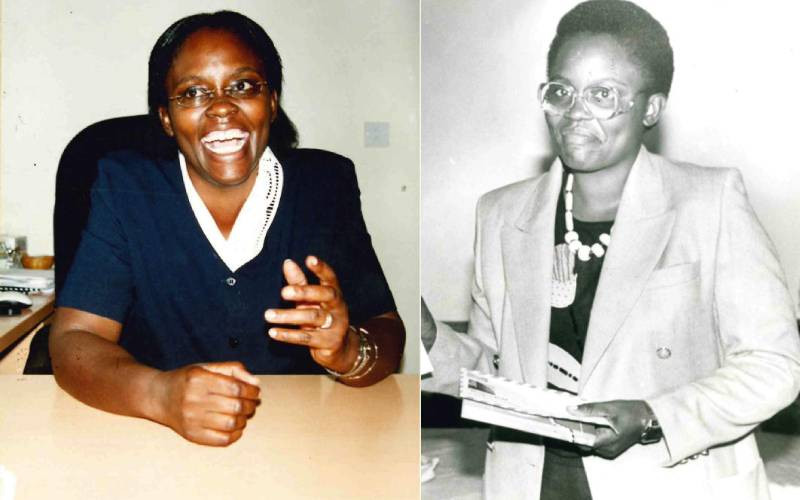
Margaret A. Ogola was born in 1958 in Kenya, during a period of social transition marked by the early years of independence. She grew up in a society negotiating tradition, modern education, and emerging professional opportunities for women. From an early age, she displayed strong academic discipline and moral clarity. Education was central to her upbringing, shaping her belief that knowledge carried responsibility as well as privilege.
Ogola pursued medical training at the University of Nairobi, one of the country’s leading institutions. She later specialised in paediatrics, a choice that reflected her lifelong concern for vulnerability and social responsibility. Her decision to work with children was not accidental. She believed that the health of children reflected the moral and structural health of society itself. This conviction would later inform both her medical practice and her writing.
A Life Dedicated to Medicine
Margaret Ogola served as a consultant paediatrician at Kenyatta National Hospital, Kenya’s largest public referral facility. Working in a demanding environment with limited resources, she became known for her professionalism, discipline, and compassion. She upheld ethical standards even when conditions made shortcuts tempting. For Ogola, medicine was a vocation grounded in service, integrity, and accountability.
She believed that healthcare professionals carried moral authority that could either protect or endanger patients. This belief shaped her firm stance on honesty in diagnosis, treatment, and professional conduct. She often spoke about the dangers of complacency, corruption, and silence within professional systems. Her medical career was not defined by prestige, but by consistent commitment to patient dignity and ethical practice.
The River and the Source and Literary Breakthrough
Ogola entered Kenya’s literary scene in 1994 with the publication of The River and the Source. The novel won the Jomo Kenyatta Prize for Literature and quickly became a cornerstone of Kenyan and African literature. It traced multiple generations of women, beginning with Akoko, a formidable matriarch navigating tradition, patriarchy, and social change.
The novel challenged narrow portrayals of African women by presenting them as intellectual, moral, and strategic leaders within their families and communities. Ogola explored themes of education, faith, marriage, motherhood, and resilience with depth and nuance. The book’s success led to widespread adoption in schools and universities, cementing its place in the national literary canon.
Over the years, The River and the Source has appeared in newer editions, ensuring its continued relevance for modern readers. While the language and presentation evolved, the core themes remained timeless. The newer versions have helped introduce the novel to younger generations, reinforcing its enduring relevance in discussions of gender, culture, and moral leadership.
Ethics, Faith, and Later Works
Ogola’s later novels deepened her exploration of ethics, leadership, and responsibility. I Swear by Apollo drew heavily from her medical background, examining professional compromise, corruption, and the moral cost of silence. The novel confronted uncomfortable truths about systems that reward convenience over conscience, especially in healthcare and public institutions.
Her third novel, Place of Destiny, expanded these themes into political and social leadership. It explored ambition, power, and the tension between personal success and public good. Across all her works, Ogola consistently argued that individual choices shape institutions, and that integrity often requires personal sacrifice.
Faith played a central role in Ogola’s life. A committed Catholic and member of Opus Dei, she believed faith should inspire discipline, humility, and service. She rejected the use of religion as a tool for superiority or exclusion. Instead, she viewed faith as a moral compass guiding ethical action in professional and public life.
Legacy and Enduring Influence
Margaret Ogola passed away in 2011 after battling cancer, leaving behind a legacy that continues to influence Kenya’s medical, literary, and ethical landscapes. She is remembered as a woman who excelled quietly but firmly in spaces traditionally dominated by men. Her authority came from competence, consistency, and moral clarity rather than spectacle.
Her books remain widely read, studied, and discussed. The River and the Source, especially in its newer editions, continues to shape conversations about womanhood, leadership, and values passed across generations. Her work endures because it speaks to universal human questions rather than momentary trends.
Margaret Ogola’s life demonstrated that true influence is built through service, integrity, and courage. In medicine, literature, and faith, she showed that ethical leadership is not loud, but lasting. Her legacy continues to remind readers and professionals alike that excellence without integrity is incomplete, and that a life anchored in values can shape generations.