Early Life and Education
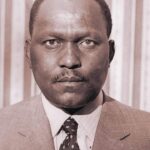
Ngũgĩ wa Thiong’o was born in 1938 in Kamiriithu, Kiambu County. He grew up in a large peasant family. His childhood unfolded during British colonial rule. Land dispossession and violence surrounded daily life. These realities shaped his thinking early.
He attended local mission schools. Later, he joined Alliance High School. Education exposed him to opportunity. It also revealed deep injustice. He saw how colonial systems controlled land, labour, and language.
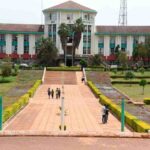
Ngũgĩ later enrolled at Makerere University in Uganda. Makerere stood as East Africa’s leading intellectual centre. While there, he wrote his first novel, Weep Not, Child. The book explored colonial oppression and African resilience. It marked the rise of a powerful literary voice.
Writing the Kenyan Experience
Ngũgĩ continued writing novels that placed Africans at the centre of their own history. He published The River Between. He followed it with A Grain of Wheat. These works examined faith, betrayal, sacrifice, and freedom.
His stories focused on ordinary people. They challenged colonial narratives. They questioned the cost of independence. Readers across Africa connected with his themes.
At first, Ngũgĩ wrote in English. Over time, he questioned this choice. He concluded that language carried culture. He believed colonial languages alienated Africans from themselves. This realization changed his path.
Language as Resistance
Ngũgĩ rejected English as his primary literary language. He chose Gikuyu, his mother tongue. This decision shocked the literary world. Publishers resisted. Critics questioned his choice. Ngũgĩ stood firm.
In 1977, he co-wrote the play Ngaahika Ndeenda (I Will Marry When I Want). The play criticised inequality and exploitation in post-independence Kenya. Villagers performed it at the Kamiriithu Community Theatre. The audience embraced it. The state reacted harshly.
Authorities arrested Ngũgĩ without trial. They detained him at Kamiti Maximum Prison and shut down the theatre. They attempted to silence dissent.
Prison did not silence Ngũgĩ. He wrote Devil on the Cross while incarcerated. He used toilet paper. The act became a symbol of resistance. It confirmed his belief that ideas survive repression.
Exile Global Influence and Legacy
After his release, harassment continued. Ngũgĩ went into exile. He lived in Europe and later the United States. Exile separated him from home. It did not weaken his voice.
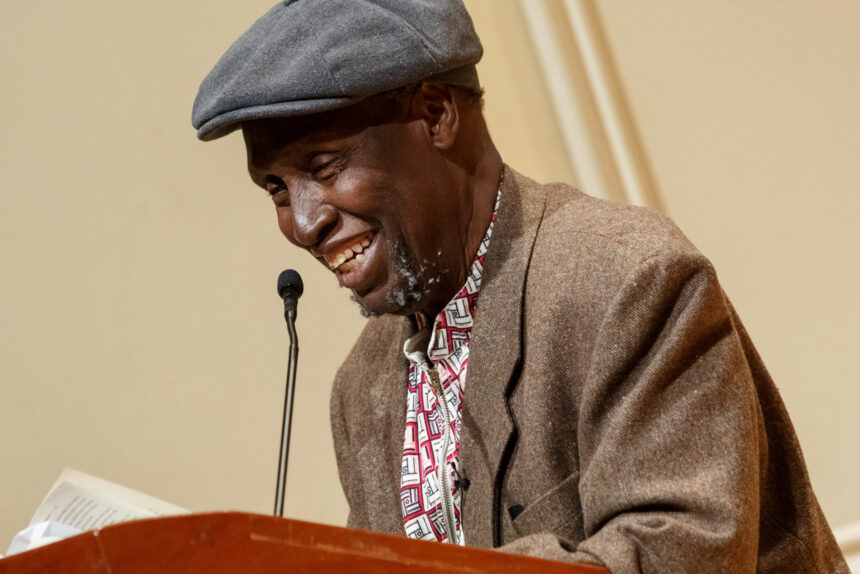
He taught literature at major universities. He wrote essays that shaped global thought. In Decolonising the Mind, he argued that true freedom requires cultural independence. Political independence alone, he said, is incomplete.
Ngũgĩ criticised dictatorship and censorship. He challenged African elites who preserved colonial structures. His later novel, Wizard of the Crow, satirised authoritarian rule and corruption. It spoke to African realities beyond borders.
Today, Ngũgĩ wa Thiong’o stands as a global intellectual icon. Scholars study his work worldwide. Writers draw inspiration from his courage. Many consider him one of Africa’s greatest thinkers.
His legacy rests on principle. He chose truth over comfort. Also, chose language as resistance. He proved that words can confront power.
Ngũgĩ did more than write books. He reclaimed identity and defended culture. He showed that freedom begins in the mind.