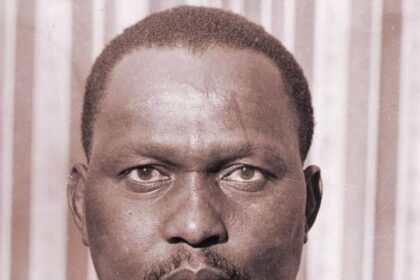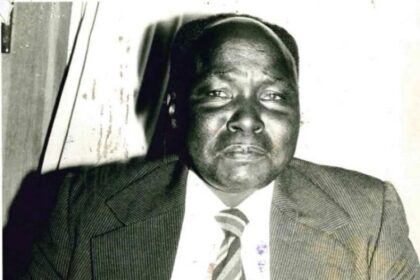
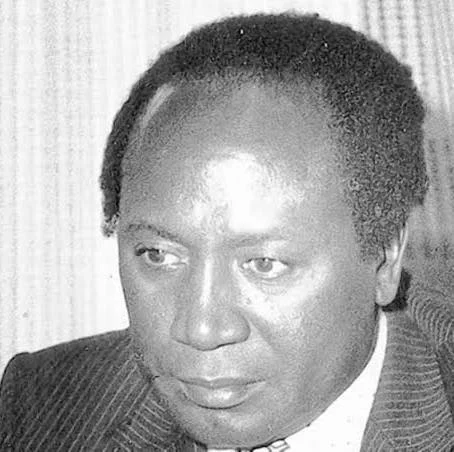
Robert John Ouko was born on 31 March 1931 in Nyahera, in then Nyanza Province. He began his education at Ogada Primary School and Nyang’ori School. He trained as a teacher at Siriba Teachers Training College and worked as a primary school teacher before transitioning into public service. In 1955, he became a revenue officer in Kisii District. His ambition drove him to further studies in public administration, economics, and political science at Haile Selassie University, Addis Ababa. He later earned a diploma in International Relations and Diplomacy at Makerere University in Uganda. This academic and professional foundation prepared him for a career spanning civil service, politics, and diplomacy.
Political Rise
Before Kenya gained independence in 1963, Ouko worked as an assistant secretary in the Governor’s office. He later became Permanent Secretary in ministries including Works, and after the collapse of the original East African Community in 1977, he was nominated as an MP and Minister for Economic Planning and Community Affairs.
In the 1979 general election, Ouko was elected MP for Kisumu Rural Constituency. He retained his seat in 1983 and 1988, switching to Kisumu Town Constituency. His most prominent role was Minister of Foreign Affairs, which he held from 1979 to 1983 and again from 1988 until he died in 1990. He also served in other ministries such as Energy and Tourism, demonstrating versatility and a commitment to national development.
Ouko gained international recognition for his diplomatic skills. He served as vice chairman of the Non Aligned Movement Ministerial Conference in 1981 and chaired the governing council of the International Labour Organization in the 1970s. Also, he was active in regional negotiations, strengthening Kenya’s role in East African diplomacy. He also championed local development projects, including lobbying for the Kisumu Molasses Plant to spur industrial growth and create employment.
Assassination
On 13 February 1990, Ouko disappeared from his home in Koru, western Kenya. Two days later, people discovered his partially burned, gunshot wounded body near Got Alila Hills, about 2.8 km from his farm. Government officials initially reported suicide, but forensic investigators confirmed that someone murdered him on the spot. The attackers shot him in the head, broke his ankle, and left bruises. Many observers linked his death to disputes over the Kisumu Molasses Project and alleged corruption. Investigations pointed to high ranking officials, but authorities never held anyone accountable.
Ouko’s assassination triggered riots in western Kenya and revealed tensions within Moi’s government. The killing exposed failures in accountability, governance, and political protection for public servants. Multiple commissions, including the Gor Sunguh Commission, investigated the murder, but investigators never solved the case. Citizens continue to discuss the assassination and its implications for Kenya’s political system.
Legacy
Kenya remembers Robert Ouko as one of its finest foreig affairs diplomats. He dedicated himself to public service, shaped international diplomacy, and advanced national development, leaving a lasting imprint. Memorials in Koru honor his life and work, and people continue to preserve his memory through public discussions. His assassination starkly illustrates the risks public servants face and the consequences of political rivalries.
Ouko’s life shows both achievement and tragedy. He rose from humble beginnings and served his nation at the highest levels. His legacy endures in Kenya’s political history and inspires ongoing calls for truth, justice, and accountability.
Also read: Phoebe Asiyo: Breaking Barriers and Empowering Generations