
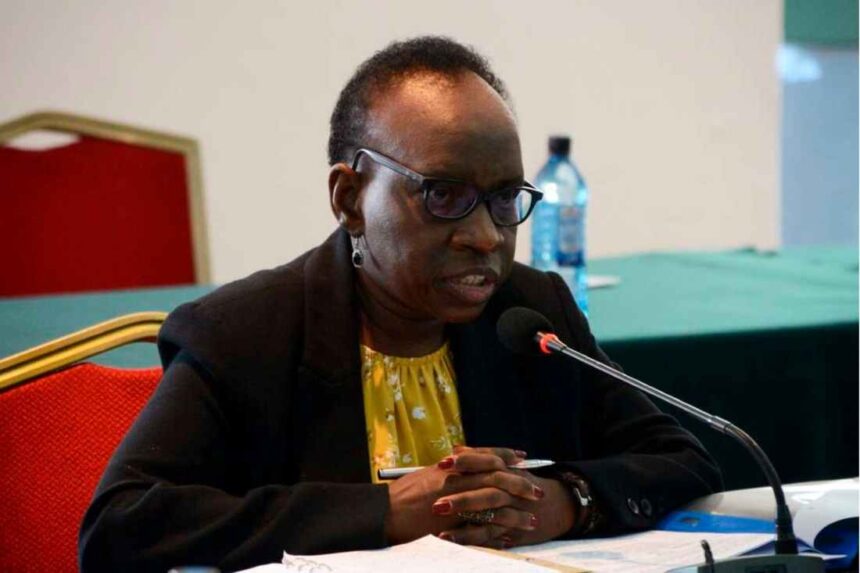
Kenya’s Affordable Housing Fund aims to deliver low-cost homes. It faces a major challenge, widespread evasion of the 1.5 percent monthly housing levy. Auditor-General Nancy Gathungu revealed that workers and employers exploit a legal loophole. The loophole prevents the Kenya Revenue Authority (KRA) from enforcing compliance. KRA collects the levy but cannot compel employers to remit it. Thousands of taxpayers pay regular income tax but skip the housing levy. The audit shows that 6,390 companies pay PAYE but fail to remit the 1.5 percent levy. The Affordable Housing Board has enforcement powers. But it cannot access KRA data to track defaulters. This gap leaves many employers and workers unaccountable.
The levy was introduced to fund affordable homes for low-income Kenyans. But voluntary compliance has weakened its impact. Many firms and employees choose not to participate. This undermines the Fund’s revenue and delays housing delivery. It also raises questions about governance and law effectiveness.
Funding Flow and Collection Statistics
Despite these issues, the Fund has collected substantial resources. From 2024 to June 2025, KRA gathered about Sh73.19 billion from workers and employers. Yet, the audit notes that a large portion of potential funds remains uncollected due to non-compliance. The levy covers salaried workers and individuals in business. Informal sector contributors must pay 1.5 percent of their gross income. The Act imposes a three percent penalty for each month the levy is unpaid. But enforcement is difficult without accurate data on defaulters.
To manage cash, the Fund invests surplus in short-term government securities. By June 2025, about Sh45.48 billion was in Treasury bills maturing within three to twelve months. While safe, this delays housing projects. It also limits the Fund’s ability to reach its annual delivery targets under the Fourth Medium Term Plan (2023–2027).
Housing Delivery and Project Performance
The audit shows a huge gap between targets and actual delivery. The Fund aims to build 200,000 affordable units annually. But only 3,611 units were completed in the last reporting period. The Board expects 210,446 units by June 2026. Past performance raises doubts about meeting these goals. Delays arise from several factors. Funding bottlenecks, phased construction, and planning challenges slow progress. Even with strong cash inflows, absorption lags. Nearly half of the levy is tied up in temporary investments, reducing immediate funds for construction.
The shortfall affects low-income households. Thousands of units remain pending. The Fund risks failing to deliver promised homes on time. This performance gap also erodes public confidence in government housing initiatives. It highlights weaknesses in oversight, planning, and enforcement.
Governance, Accountability, and the Way Forward
Auditor-General Gathungu’s report calls for stronger governance and enforcement. KRA cannot compel payments. The Affordable Housing Board lacks access to accurate data. Without reforms, large-scale housing delivery remains uncertain. The audit recommends integrating KRA and Board data systems. It also calls for legal reforms to give KRA enforcement powers. Mandatory compliance by employers and informal sector participants is essential. Stronger enforcement will improve revenue collection. It will also strengthen the Fund’s credibility.
Phased investment of collected funds in Treasury bills shows the need for better planning. Delays in deploying resources undermine the levy’s purpose. Faster execution of housing projects could boost delivery rates. It could also restore public trust in the Fund. Kenya’s Affordable Housing Levy is a bold policy. It addresses housing deficits. But loopholes and weak enforcement limit impact. Closing gaps, improving transparency, and strengthening institutions are vital. Millions of shillings collected monthly must result in homes for low-income citizens. With over 200,000 units targeted annually, reforming the legal and operational framework is crucial. This will help the Fund meet its objectives under the Fourth Medium Term Plan and deliver tangible results to the public.