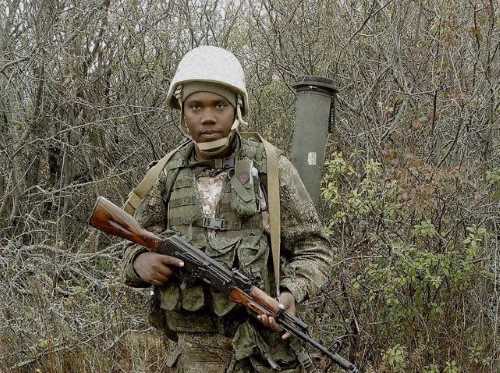
Global conflicts often affect people far beyond the battlefield. The war between Russia and Ukraine has shown how economic pressures and overseas job offers can draw foreign workers into dangerous situations. Kenya has faced this reality after reports revealed that hundreds of its citizens travelled to Russia for jobs but later became involved in the war.
The situation triggered diplomatic discussions between Kenya and Russia and raised serious concerns about labour migration, recruitment networks, and the safety of job seekers abroad.
How Kenyan Workers Became Linked to the War
The war began in February 2022 when Russia launched a full scale invasion of Ukraine. The conflict quickly turned into one of the largest wars in Europe since the Second World War. As the fighting continued, Russia expanded recruitment efforts to support its military operations. Investigations later revealed that foreign nationals had joined the Russian military through recruitment programs and private networks. Kenya emerged as one of the countries affected by these efforts. Reports presented to lawmakers indicated that more than 1,000 Kenyans had travelled to Russia and joined the Russian military during the conflict.
Many of the recruits believed they were travelling for civilian jobs. Some expected to work in security, construction, or logistics sectors. Others were attracted by promises of high salaries and better living conditions.
However, some recruits later discovered that the contracts they signed placed them in military units involved in the war. The findings shocked families across Kenya. Many relatives had believed their loved ones were working abroad in normal jobs. Investigators also reported serious consequences for some of the recruits. By early 2026, intelligence reports indicated that 89 Kenyans were serving on the front lines of the conflict. Another 39 had been hospitalised with injuries, while 28 were listed as missing in action. These numbers revealed the human cost of the recruitment schemes.
Diplomatic Talks Between Kenya and Russia
The situation forced Kenya to address the issue through diplomatic channels. The government sent Musalia Mudavadi, who also serves as Kenya’s Foreign Affairs minister, to hold discussions with Russian authorities in Moscow. During the visit, Mudavadi held talks with Sergey Lavrov about the situation facing Kenyan citizens in Russia. The talks focused on preventing further recruitment of Kenyans into the Russian military and assisting those already affected.
Following the discussions, Kenya announced that Russian authorities had agreed that Kenyans would no longer be eligible to enlist in the Russian military. The agreement marked an important diplomatic step aimed at protecting Kenyan citizens from involvement in the conflict. Officials also discussed consular support for Kenyans already in Russia. This includes access to legal help, medical support, and communication with families back home. Kenya said it would continue using diplomatic channels to monitor the situation and support affected citizens.
The Role of Recruitment Networks
Investigations suggest that recruitment networks played a major role in bringing Kenyans into the conflict. Some agencies advertised jobs in Russia that promised attractive salaries and benefits. In several cases, applicants were promised monthly pay of about 350,000 Kenyan shillings, along with bonuses and the possibility of Russian citizenship. Such offers attracted many young job seekers struggling to find employment in Kenya. However, authorities later discovered that some of these offers were misleading.
Some recruits reported that they were asked to sign contracts written in Russian after arriving in the country. The documents reportedly placed them in military roles instead of the civilian jobs they had expected. Kenyan authorities believe that some recruitment networks may have been linked to human trafficking operations. Investigators have already charged at least one recruitment agent with trafficking people to join the war. Officials say the case highlights the risks faced by workers seeking jobs abroad through unverified agencies.
A Pattern Seen Across Africa
Kenya’s experience reflects a broader trend across Africa. Reports indicate that citizens from several African countries have been recruited into the conflict in Ukraine. Young men from countries such as Ghana, South Africa, and Cameroon have reportedly travelled to Russia under similar circumstances. Some were attracted by financial incentives. Others hoped to secure long-term residency or citizenship in Russia. Security analysts believe that more than 1,400 Africans from dozens of countries may have been recruited into the Russian military during the conflict. These developments have raised concerns among African governments. Many officials worry that vulnerable job seekers may be exploited by recruitment networks that operate across borders. The issue has also sparked debate about how governments should regulate overseas employment agencies.
The Economic Pressures Behind the Recruitment
Economic conditions often play a major role in labour migration. Kenya faces high youth unemployment, with thousands of graduates entering the job market each year. Many young people look abroad for opportunities that offer better wages and career prospects. Overseas employment programs have become a common pathway for Kenyans seeking work in countries across the Middle East, Europe, and Asia. However, the recruitment crisis linked to the Ukraine war shows how such opportunities can sometimes carry hidden risks.
Some workers may accept overseas job offers without fully understanding the conditions involved. Others rely on recruitment agents who promise quick placement abroad. Without proper verification, job seekers may unknowingly enter dangerous situations.
Government Efforts to Protect Workers
Kenya has responded by strengthening oversight of labour recruitment agencies. Authorities have increased monitoring of companies that recruit workers for overseas employment. Some agencies suspected of misleading job seekers have already faced investigations and possible closure. Officials have also urged citizens to verify job offers through government channels before travelling abroad. Public awareness campaigns now encourage workers to confirm contracts, visas, and employment terms before leaving the country. Diplomatic engagement also remains an important tool. Kenya continues to maintain diplomatic relations with Russia in areas such as trade, education, and agriculture. However, the government insists that protecting Kenyan citizens abroad must remain a priority.
The involvement of Kenyan citizens in the Russia–Ukraine conflict highlights the complex connections between global wars and labour migration. Conflicts in distant regions can still affect workers searching for opportunities abroad. The crisis has also revealed the need for stronger international regulation of recruitment networks. Governments, international organisations, and labour agencies may need to cooperate more closely to protect migrant workers. For Kenya, the experience serves as a warning about the risks associated with unregulated overseas recruitment. It also underscores the importance of strong diplomatic engagement when citizens face danger abroad. As the war continues, Kenya’s response may shape how other countries address similar challenges involving labour migration and foreign conflicts.