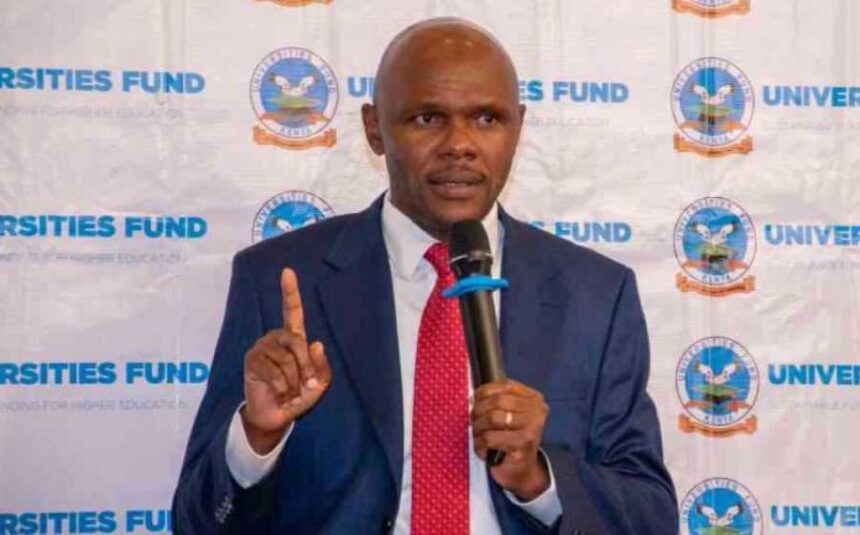
The Kenyan government released KSh 4.2 billion in scholarships to help university students. The funds target students in public universities. The move comes as many young Kenyans struggle to pay tuition.
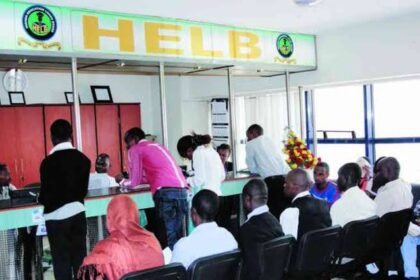
The money is part of the Student-Centred Funding Model. Under this system, funds follow the student. Students receive money directly, rather than it going to institutions. This ensures students can pay tuition and continue learning without delay. The release also highlights challenges with the Higher Education Loans Board (HELB). Many students rely on HELB for funding. However, delays and bureaucracy often leave them in financial stress.
Scholarships Reach Thousands Amid Rising Tuition
More than 437,000 students have benefited from government scholarships so far. Total disbursements exceed KSh 37 billion. The latest KSh 4.2 billion focuses on continuing students. It helps them pay tuition and avoid interruptions in their studies. Tuition fees vary by course and university. Most programs cost between KSh 50,000 and KSh 250,000 per year. Students from low-income families struggle to meet these costs.
Students also face other expenses. Accommodation, meals, transport, and books add tens of thousands of shillings. Without financial support, many students risk dropping out.
HELB Challenges and Student Struggles
HELB remains a key source of student funding. But it faces many challenges. Most of them report delayed disbursements, partial loans, and slow processing. These delays force students to borrow from family or friends. Some take part-time jobs. Others pause their studies until funds arrive. A student at a Nairobi university said, “Even with HELB, funds come late. You scramble to pay tuition. It is stressful and affects your focus.” Experts say scholarships are vital, but HELB must improve. Faster and more reliable disbursement would reduce financial stress.
The student-centred model puts students first. Funds are sent directly to them. This increases transparency and ensures money reaches those who need it. It also prioritises students from low-income backgrounds. The model complements HELB loans. Together, they form a stronger support system. Officials say the approach promotes equity in higher education. Students get the help they need. Talented learners no longer miss opportunities due to lack of money.
Education Access and Equity
The KSh 4.2 billion release is a positive step. But tuition fees continue to rise. HELB must also improve efficiency.Experts stress combining scholarships, loans, and policy reforms. This will create a system that supports all students.
Scholarships and loans give students stability. They allow learners to focus on studies instead of finances. Thousands of students can continue without interruption.Kenya is slowly creating a more equitable and accessible higher education system. With proper funding, more students will finish school. They will then contribute to the country’s growth and fill critical roles in society.Financial barriers should no longer limit opportunities. Direct funding, timely loans, and reforms will ensure every student has a fair chance