Kenya is facing one of its most severe droughts in recent memory. Failed rains, rising temperatures, and prolonged dry spells have deepened water scarcity and food insecurity across the country, especially in arid and semi arid lands (ASALs). This is more than a weather story, it’s a humanitarian crisis affecting millions of lives and livelihoods. According to the World Health Organization (WHO) and humanitarian partners, more than 2 million Kenyans are now vulnerable to severe food shortages and nutrition crises following one of the driest short rainy seasons on record.
Counties on the Frontline
The drought is most intense in Mandera County, located in northern Kenya. Mandera has entered the critical “alarm” drought phase, with an estimated 327,000 people affected by food insecurity and malnutrition. Livestock, a key source of nutrition and income, have been severely impacted, pushing pastoral families deeper into crisis.
Wajir and Garissa counties are among the worst affected regions in the alert drought phase. In Garissa, milk production the backbone of local diets and small businesses has collapsed in many markets. At the Soko Ng’ombe market, vendors report that milk now comes from as far as 300 kilometres away, after herders moved livestock in search of pasture and water. Prices have surged, with a litre of cow’s milk climbing well above previous levels, deepening hardship for families and traders alike. Marsabit County continues to grapple with dire water scarcity and pasture loss. The government and partners recently drilled a large borehole yielding 23,000 cubic metres of water per hour, a vital lifeline for local pastoralists facing dried up water points.
Other counties in the alert drought phase include Kilifi, Kitui, Kwale, Kajiado, Isiolo, and Tana River. These regions face worsening food and water shortages as failed rainfall patterns persist. Turkana, traditionally hit hard during dry spells, is seeing pasture and water depletion that threaten livestock and household incomes. Together, these counties are part of a broader crisis affecting at least 23 of Kenya’s 47 counties, where acute food shortages are now being recorded.
Empty Fields, Rising Prices and Threats to Health
The drought’s impact goes beyond water scarcity. Crop production, already vulnerable in marginal agricultural zones, has plummeted. Local farmers report drastic reductions in yields. Small scale producers who used to harvest eight to ten bags of maize now struggle to get four, forcing families to buy expensive staple foods from the market.
This reduced supply has pushed food prices higher across the country. Vegetables like cabbages and kale once affordable staples have become costly, with prices sometimes rivaling meat costs. About 23.6 percent of Kenyans now report insufficient food consumption, according to recent food security monitoring. Malnutrition is rising sharply in the hardest hit regions. In Mandera, drought related scarcity has led to higher rates of malnutrition, particularly among young children who rely on milk for essential nutrients. Livestock losses compound the problem. Across several counties including Turkana, Marsabit, Samburu, Wajir, Mandera, Garissa, Isiolo, and Tana River drought has depleted pasture and water, weakening animals and reducing productivity. Recent agricultural reports suggest that as many as 1.5 million livestock have died nationwide due to drought and related conditions, dramatically reducing food sources and household income.
Water Scarcity and Broader Economic Stress
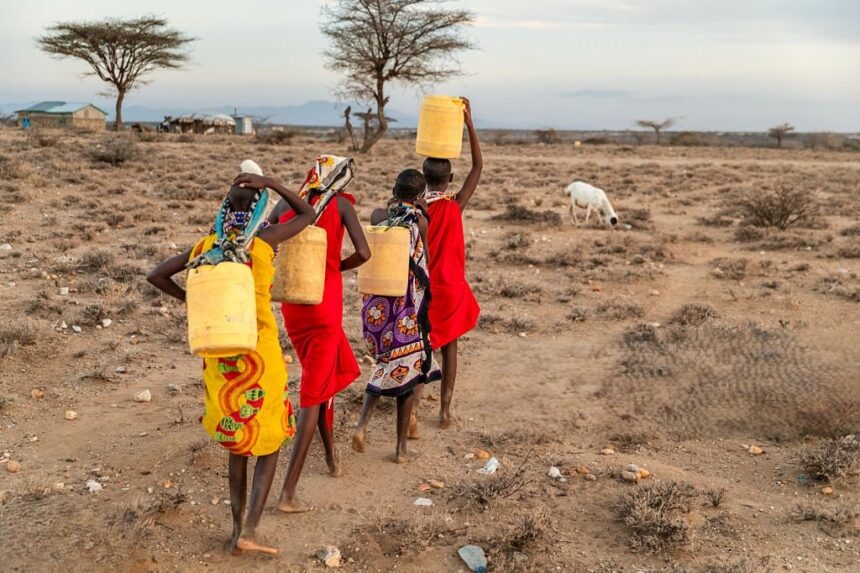
Water scarcity remains a daily reality for millions. Rivers, wells, boreholes, and traditional water pans have dried up or receded sharply. Families must travel longer distances to access water, and many water points have reached “near dry” status. In northern and eastern counties, access to clean and safe water is increasingly limited. Lack of water also affects hygiene and health. Poor sanitation increases the risk of water borne diseases, especially in drought affected communities. As families conserve water for drinking and cooking, hygiene practices deteriorate, elevating health risks.
The economic impact is broad. Small farmers who could once count on modest harvests now depend on costly food purchases. Pastoral families who relied on livestock sales now face depleted herds and declining incomes. Food scarcity and rising prices push households deeper into poverty and force difficult decisions, including reducing meal portions and pulling children from school to save costs.
Government and Humanitarian Response
The Kenyan government and humanitarian partners have stepped up their response to the unfolding crisis. Food distributions, water trucking, nutrition screening, and livestock support programs aim to ease immediate suffering in the most affected areas.
Public services are also working to restore water supplies and maintain essential livestock support. For instance, the government’s efforts in Marsabit to drill new boreholes and expand water access are seen as critical to both human and animal survival. In counties like Mandera, emergency interventions deliver fortified food to children under five, pregnant and lactating women, and families facing acute shortages. These measures are vital but often stretch thin across wide geographic areas and many affected communities. Beyond immediate relief, discussions are underway about declaring the drought a national disaster, a move that could unlock greater resources and coordination for long-term response. At a recent forum in Nairobi, government officials acknowledged the worsening conditions and called for sustained action to prevent further deterioration.
Building Resilience
Kenya’s drought crisis highlights deeper systemic vulnerabilities in food and water systems. Climate variability is increasing the frequency and severity of droughts, while dependence on rain fed agriculture leaves communities exposed to climate shocks. Without strong resilience measures, communities remain at risk. Long term solutions include expanding irrigation, investing in drought resilient crops, strengthening water storage infrastructure, and supporting pastoral livelihoods through fodder programs and enhanced veterinary services. Programs that help households diversify income and cope with climatic stress also play a critical role. For example, in counties such as Makueni, the Food and Agriculture Organisation (FAO) is supporting emergency drought interventions that include livestock feed distribution and agricultural support for vulnerable households. These efforts help cushion families and build longer term resilience.
Drought and food insecurity are not problems limited to remote areas; their effects ripple throughout the nation. When millions face hunger, Kenya’s economy, health systems, and social fabric feel the strain. Rising food prices increase living costs for urban and rural families alike. Declining livestock productivity affects regional markets and incomes. Water scarcity undermines public health and economic productivity. Addressing the drought requires sustained collaboration between national and county governments, community leaders, humanitarian partners, and international stakeholders. Without long term solutions that build resilience, more families may face hunger, malnutrition, and economic hardship in the years ahead.