Routine childhood immunisation is one of the most effective public health interventions globally. It has saved millions of lives by protecting children from preventable diseases such as measles, mumps, and rubella. In Kenya, these vaccines are administered regularly in public and private health facilities as part of the national immunisation programme.
However, rare and unexpected incidents can sometimes raise public concern and prompt deeper scrutiny of vaccine safety systems and emergency medical response.
A routine clinic visit that ended in grief
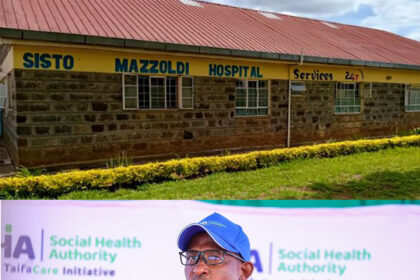
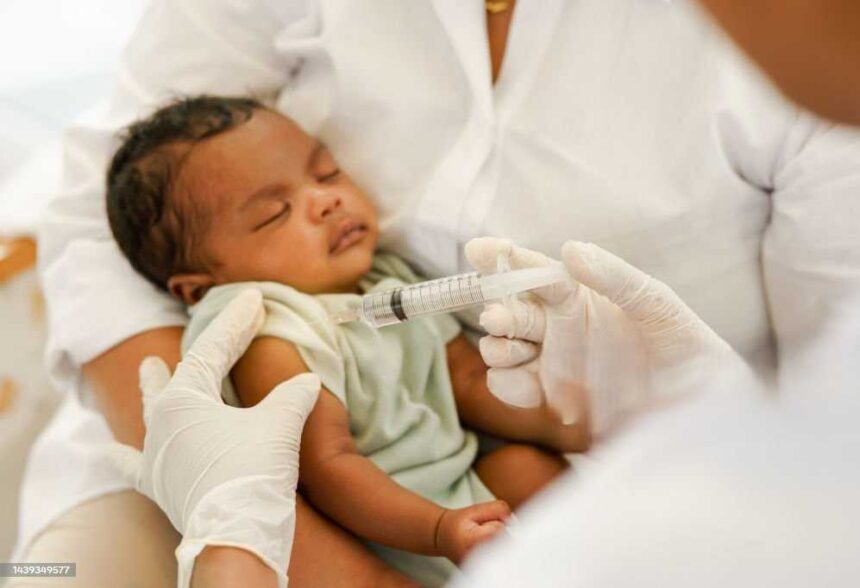
In Meru County, two young mothers from Kangeta, Igembe Central, took their infants to a local medical facility for scheduled immunisation. The babies were due for the measles, mumps, and rubella vaccine, a standard dose given at around nine months of age. What began as a routine health visit ended in tragedy after both infants died shortly after receiving the injections. The sudden deaths shocked the families and the surrounding community, raising urgent questions about what went wrong inside the clinic. Health officials confirmed that the infants received vaccinations at the facility and later died. They moved the bodies to a nearby hospital mortuary for preservation and postmortem examination.
Following the incident, health authorities and security agencies launched investigations to determine what caused the deaths. Officials are examining several possible factors, including adverse reactions, underlying medical conditions, or procedural issues during the vaccination process. Medical experts recognize that post-vaccination adverse events, although rare, can occur. Investigators usually assess such cases thoroughly to rule out coincidence, allergic reactions, or errors in vaccine handling. Authorities also reviewed vaccine distribution and handling procedures. They noted that accredited facilities receive vaccines through established cold chain systems designed to maintain safety and effectiveness throughout storage and delivery.
Vaccine safety in perspective
The incident also highlighted the emotional impact on families and the importance of clear communication during medical emergencies. Relatives expressed distress over how events unfolded at the facility, particularly the limited information shared in the immediate aftermath. Health facilities are often required to act quickly in emergency situations, but breakdowns in communication can deepen public anxiety and mistrust, especially when outcomes are fatal and sudden.
Health experts consistently emphasize that vaccines remain safe and essential. Millions of children receive immunisations every year in Kenya with no complications. Adverse reactions, when they occur, are extremely rare and are closely monitored through national surveillance systems. Medical authorities continue to stress that immunisation is a critical tool in preventing outbreaks of dangerous childhood diseases. At the same time, each reported adverse event is investigated to strengthen safety protocols and maintain public confidence.
The broader lesson for public health systems
Incidents like this, though rare, underscore the importance of strong health systems, rapid emergency response, and transparent communication. They also highlight the need for continuous training of health workers, strict adherence to medical protocols, and robust monitoring of vaccine safety. As investigations continue in Meru, health authorities face the dual responsibility of establishing the truth behind the incident and reassuring the public about the safety of immunisation programmes. In the long term, such cases often lead to improved systems designed to ensure that routine healthcare remains both safe and trusted by the communities it serves.