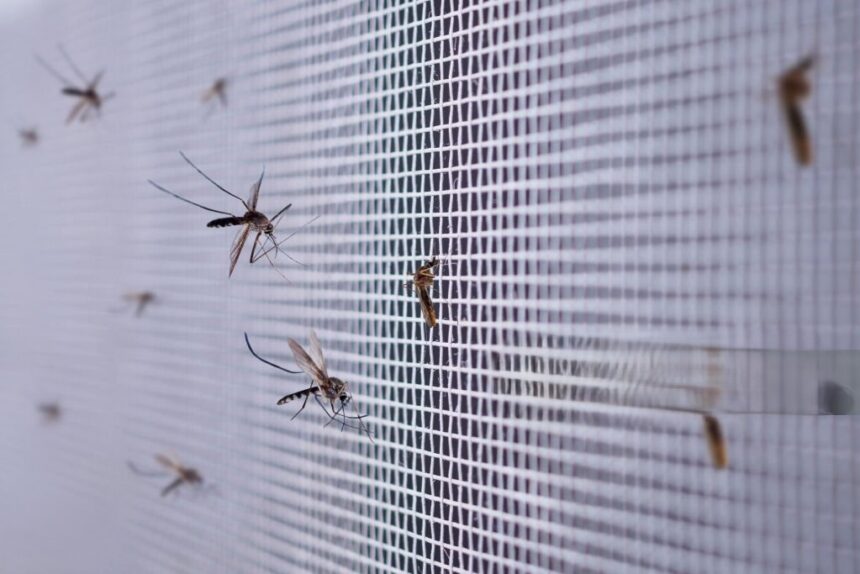
Kenya recorded a sharp rise in malaria cases last year. The country logged more than 4.1 million infections in 2025, up from just over 3.2 million in 2024. The jump of nearly 900,000 cases pushed Kenya higher in global rankings. It now stands 23rd in the world and 20th in Africa.
Malaria remains a major health threat across the country. The rise came even after the government rolled out strong interventions in 2024. Officials distributed treated mosquito nets, sprayed homes, expanded seasonal prevention, and continued the malaria vaccine rollout in high risk regions.
Kenya now accounts for 1.5 percent of global malaria cases, up from 1.3 percent. It represents 5.7 percent of the infections worldwide. Children under five face the greatest danger. Millions of young lives remain at risk from a disease that is preventable.
Experts link the rise to a drop in global funding. Support for malaria programmes almost halved, falling from $879 million to $439 million. The cut followed the United States’ decision to pause foreign aid and withdraw health workers. The move left gaps in prevention, testing, and treatment, especially in countries like Kenya that depend on outside support.
Malaria funding has fallen steadily over the past decade. Health systems now struggle to sustain key interventions. The shortfall makes it difficult to reach vulnerable communities and weakens ongoing campaigns.
Climate Change Raises the Risk
Climate change has added new pressure. Unpredictable rainfall, longer wet seasons, and higher temperatures create perfect breeding grounds for mosquitoes. Flooding in 2024 made the situation worse by expanding mosquito habitats. Regions that once had low malaria risk are now reporting more infections.
Health officials continue to urge Kenyans to protect themselves. They advise people to sleep under treated nets, use repellents, and seek early treatment when symptoms appear. They also stress the need for continuous investment in malaria control.
Experts say Kenya needs stronger domestic funding alongside global support. Mosquito control, seasonal treatments, and vaccines remain crucial tools in reducing infections.
Malaria still claims lives in Kenya. But with steady public health efforts, better climate preparedness, and strong community awareness, the country can reduce the disease’s impact. The goal now is to protect millions of vulnerable people through consistent action and long-term support.
Also read: Has AFC Leopards Tilted the Balance Against Gor Mahia?