Kenya’s struggle with food security exposes a deeper structural problem. The country often produces enough food. Yet millions remain vulnerable to hunger. This contradiction reveals gaps in planning, market coordination, and long term policy execution.
Strategic Food Reserves and Market Realities
Strategic food reserves exist to protect households during droughts, floods, or economic shocks. These reserves should stabilise prices and guarantee emergency supply. However, filling them remains difficult. Government agencies compete directly with private buyers. Farmers choose buyers who offer higher prices and faster payments. This market reality limits public stock levels and weakens national preparedness.
Price signals drive farmer behaviour. When millers and traders pay promptly, farmers respond quickly. Delayed payments discourage participation in public programmes. Even when the government sets attractive prices, trust and speed matter. Without efficient purchasing systems, strategic reserves remain understocked.
Climate, Prices, and Shifting Production Patterns
At the same time, hunger risks continue to rise. Climate change intensifies uncertainty across farming regions. Erratic rainfall disrupts planting cycles. Prolonged dry spells reduce yields. Floods destroy crops and infrastructure. These shocks hit smallholder farmers the hardest and reduce household food availability.
Food prices amplify the crisis. When staple prices rise, low-income families reduce meal size and quality. Households shift to cheaper, less nutritious foods. This coping mechanism increases malnutrition risks. Urban and rural poor feel the impact most because food consumes a large share of their income.
Conflict over land and resources worsens food insecurity. Competition for water and grazing land disrupts farming and pastoral systems. Displacement interrupts food production and market access. These pressures weaken local food systems and increase reliance on aid.
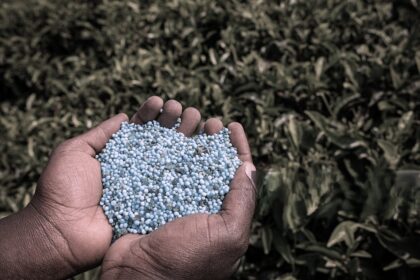
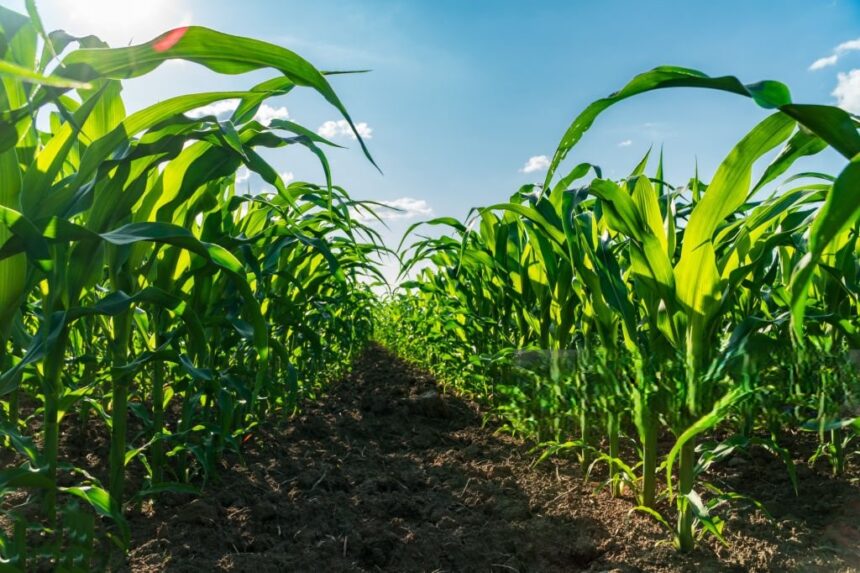
Kenya often reports strong maize harvests. Input support, especially subsidised fertiliser, has improved yields in key regions. These interventions show that policy support can raise production. However, production figures alone do not tell the full story. Distribution inefficiencies and post harvest losses erode gains. Storage gaps leave farmers vulnerable to spoilage and distress sales.
Land-use change presents a long-term threat. In traditional grain producing areas, farmers increasingly shift away from food crops. Real estate development expands rapidly. Cash crops promise quicker returns. As a result, land under maize and wheat declines steadily. This trend reduces national supply stability and increases dependence on imports.
Wheat production illustrates this challenge clearly. Shrinking acreage raises costs along the value chain. Consumers feel the impact through higher prices for bread and other wheat-based foods. These price increases affect both urban and rural households. They also expose the risks of neglecting staple crop production.
Maize production shows similar volatility. Output fluctuates across seasons. Weather shocks and market uncertainty drive instability. Farmers hesitate to invest in long-term productivity without predictable returns. This cycle limits sustainable growth in food production.
Why Long-Term Planning Matters More Than Emergency Response
Malnutrition remains the most visible consequence of weak food systems. Children under five face the highest risk. Poor diets impair growth and cognitive development. Pregnant and breastfeeding women also remain vulnerable. Nutritional deficits increase health costs and reduce productivity over time.
Food insecurity also affects education outcomes. Hungry children struggle to concentrate in class. School attendance drops in food-stressed households. These effects extend beyond nutrition. They shape future human capital and economic potential.
Kenya’s food security challenge requires a systems approach. Emergency responses alone cannot solve structural weaknesses. Strategic reserves must align with market dynamics. Procurement systems need efficiency and transparency. Timely payments build farmer confidence and participation.
Climate Stress, Land Use, and Shifting Farm Priorities
Climate adaptation must guide agricultural planning. Investment in irrigation reduces dependence on rainfall. Climate-resilient seeds improve yield stability. Early warning systems allow faster response to emerging risks. These tools protect both producers and consumers.
Land use planning also matters. Policies should protect agricultural land in key production zones. Incentives can encourage the continued cultivation of staple crops. Balanced development ensures food production does not lose ground to short term gains.
Nutrition must remain central to food policy. Availability does not guarantee access. Diverse diets improve resilience and health outcomes. Social protection programmes help vulnerable households withstand price shocks.
Kenya’s experience shows that food security goes beyond harvest numbers. It depends on institutions, markets, climate readiness, and social protection. A resilient food system protects people in both good and bad seasons. Without coordinated action, hunger will persist despite full granaries.
Follow Our WhatsApp channel for more updates like this