
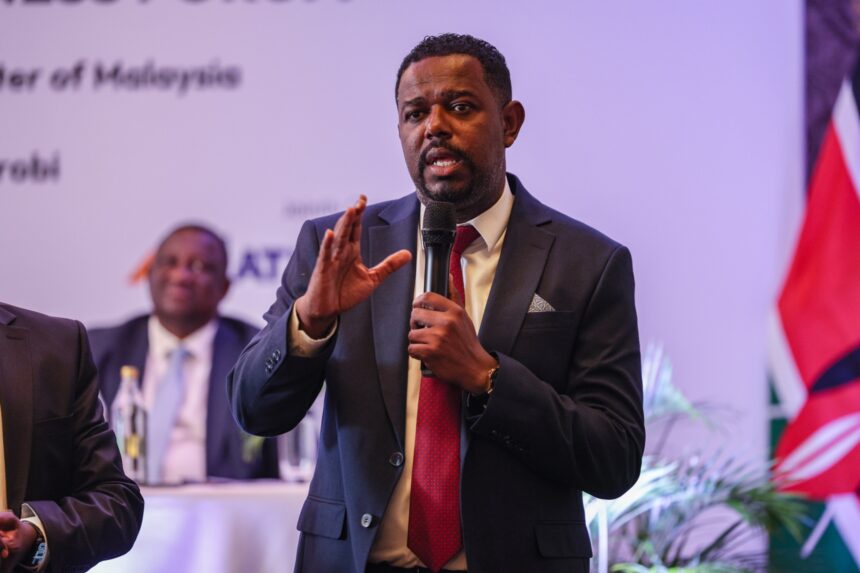
Kenya plans to introduce a single platform for private sector advocacy. The proposal has triggered strong reactions from business organisations. Many groups fear a loss of independence. Others warn that the move could reduce their influence on national policy.
The Public Sector Private Sector Engagement Bill 2025, anchors the proposal. This draft law also outlines how government and business associations will interact. It comes from the State Department for Investment Promotion. Principal Secretary Abubakar Hassan is leading the process.
Structure and Role of the Proposed Business Council
The Bill seeks to establish the Business Council of Kenya (BCK). Membership will include 12 representatives from major business associations. The council will act as the main link between the State and more than 130 lobby groups. It plans to host two presidential business roundtables every year. A secretariat will handle its daily operations.
Approval of the Bill would make BCK the unified voice for bodies such as KEPSA, KNCCI, FKE and KAM. These organisations currently operate separately and champion sector-specific concerns. Their independence allows them to challenge policies they view as harmful. This freedom has helped them influence critical decisions, including recent tax debates.
Concerns have emerged over the proposed structure. FKE Executive Director Jacqueline Mugo warns that the draft creates unnecessary bureaucracy. Her view is that the Bill may undermine meaningful public participation. She questions the gaps the proposal intends to address. Her fear is that the new council could limit long-standing advocacy channels.
Government officials hold a different position. PS Abubakar argues that the Bill will create a clear framework for engagement. He says the new system will enhance coordination between the State and business groups. Strengthening the capacity of these organisations is also a key goal. He believes the council will support investment and improve the business climate.
Private Sector Reactions
Public participation has already begun. The department has invited alot of Kenyans to submit views, suggestions or memoranda. Business associations are collecting feedback from their members. KNCCI plans to share its position after consulting its 47 chapters. KAM is also preparing a formal response.
FKE has voiced deeper concerns tied to its international mandate. The federation operates within a global tripartite system involving employers, workers and governments. Ms Mugo argues that FKE’s role cannot be transferred to another body. Such a move, she says, risks violating established international labour standards. Weakening employer representation at national, regional and global levels is a major concern.
The draft Bill outlines key roles for BCK. The council will also register business membership bodies and compile their concerns. It will classify issues and present them to the Cabinet Secretary for action. Technical support and capacity building will also form part of its mandate.
Business leaders remain cautious as consultations continue. Many welcome open dialogue but insist on protecting their independence. They maintain that any new system must safeguard the private sector’s voice. Open and direct engagement with government remains a priority for most stakeholders.
Also read: Recycled Paper Pencils: Kenya’s Bold Step Towards a Greener Future
BBL Booms in Kenya as Trendy Curves Bring Growing Health Risks