
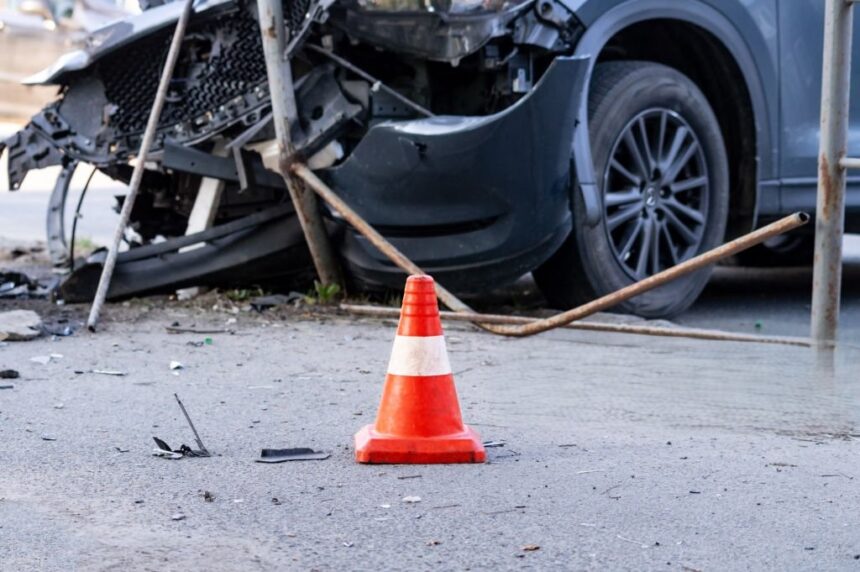
Road accidents remain one of the leading causes of death in Kenya. Every year, thousands of lives are lost on highways, rural roads, and urban streets. These deaths are often described as accidents, yet most are preventable. Speeding, reckless overtaking, drunk driving, poor vehicle maintenance, and weak compliance with traffic rules continue to turn roads into death traps.
Road safety should not be a seasonal discussion. It must be a national culture.
A Pattern of Tragedy
On December 15, 2025, a tragic accident hit Nyando, Nyanza, on the Kisumu‑Nairobi highway. A bus from Kampala collided head-on with a lorry at 2:30 AM. The crash killed 11 people, including a child. Several others were injured and rushed to nearby hospitals. Early reports say the bus was overtaking when it hit the lorry.
Still In December , a head-on collision on the Nakuru–Naivasha Highway claimed the life of former MP Cyrus Jirongo. The crash occurred on a stretch long known for dangerous overtaking and high speeds. This incident once again exposed the risks on one of Kenya’s deadliest highways.
Earlier in August, Kenya witnessed one of its most tragic road disasters. A bus carrying mourners overturned near Kisumu, killing about 25 people. Reports indicated speeding and possible overloading. Many passengers were not wearing seat belts. What was meant to be a journey of condolence turned into a national tragedy.
Just a day before, in Naivasha, a Kenya Pipeline Company staff bus collided with a train at a railway crossing. Several people died. The crash raised serious questions about driver awareness, railway crossing safety, and enforcement of traffic rules near rail lines.
During the same period in early August, authorities reported that about 80 people lost their lives in road crashes within just four days. These incidents were spread across different counties and involved private cars, matatus, buses, and trucks. The spike highlighted how quickly road carnage can escalate when discipline collapses.
In June, a passenger bus lost control in Nyandarua County during heavy rain and overturned on a sharp bend. Six people died, while dozens sustained injuries. Speed and weather conditions played a major role, reminding Kenyans that driving styles must change with road and weather conditions.
In April, a multi-vehicle crash on the Kericho–Kaplong Road in Bomet County killed more than a dozen people. A matatu, a lorry, and a private car were involved. Witnesses cited reckless driving and poor visibility on the busy road.
At the start of the year, in January, a matatu collided head-on with a lorry on the Eldoret–Kitale Highway near Soy. About ten people died. Investigations pointed to dangerous overtaking and speeding, problems that continue to claim lives across the country. These incidents, spread across months and regions, tell one story. Kenya’s road safety crisis is persistent, predictable, and preventable.
Why Kenyan Roads Remain Deadly
Speed is the biggest killer on Kenyan roads. Many drivers ignore speed limits, especially on highways and at night. Reckless overtaking on blind corners and narrow roads adds to the danger. Alcohol and drug use remain major contributors, particularly during weekends and holidays. Impaired judgment often leads to fatal mistakes.
Poor vehicle maintenance is another factor. Faulty brakes, worn-out tyres, and overloaded vehicles are common, especially in public transport. Pedestrians and boda boda riders remain the most vulnerable. Many deaths involve people walking or riding to work, school, or home.
Road Safety During the Festive Season
The festive season is the most dangerous period on Kenyan roads. Travel increases sharply. Alcohol consumption rises. Drivers rush to reach destinations. Fatigue becomes common. Public service vehicles often overload to meet demand. Some drivers work long hours without rest. Night travel increases, reducing visibility and reaction time.
Pedestrians face higher risks as towns become crowded and celebrations spill onto roads. Every festive season repeats the same cycle of warnings, tragedies, and mourning. This must change.
What Every Kenyan Must Do
Drivers must slow down. Speed saves minutes but costs lives. Seat belts must be worn by everyone, at all times. They save lives during rollovers and collisions.
Alcohol and driving must never mix. One decision can destroy many families. Drivers should avoid night travel where possible and rest when tired. Passengers must speak up. Refuse to board overloaded vehicles. Demand safe driving.
Pedestrians should use crossings, footbridges, and reflective clothing at night. Authorities must strengthen enforcement, especially on known black spots like the Nakuru–Naivasha Highway, Kericho–Kaplong Road, and major festive routes.
A Shared Responsibility
Road safety is a shared duty. Every driver controls a powerful machine and every passenger has a voice. Every pedestrian deserves protection. The tragedies witnessed this year must not become normal headlines. Each statistic represents a human life.
NTSA has stepped up efforts to improve road safety. The authority has increased vehicle inspections and compliance checks. It has also expanded public safety campaigns. Transport Cabinet Secretary Kipchumba Murkomen has urged Kenyans to take photos or videos of police officers who demand bribes. He has asked the public to report such cases through official channels. The move targets corruption on the roads. Bribery allows speeding drivers and unroadworthy vehicles to operate freely. NTSA aims to restore discipline on the roads. The goal is to protect lives, especially during peak travel and festive seasons.
Kenya can reduce road deaths. But it requires discipline, responsibility, and respect for life. The road home should never be the final journey.
Follow Our WhatsApp channel for more updates like this