The Kenya National Commission on Human Rights has identified 1,563 victims and survivors of human rights violations across the country. The commission says it is now verifying the cases before submitting a final list to the government under a planned national reparations programme. This step marks a significant milestone in Kenya’s long-running efforts to address historical and recent injustices.
The victims come from different parts of the country. They represent a wide range of violations. These include extrajudicial killings, torture, enforced disappearances, sexual violence, forced evictions, and loss of livelihoods. KNCHR says many of the cases reflect both past and ongoing challenges in protecting human rights in Kenya. The commission compiled the list after inviting the public to submit claims. The exercise closed on April 3, 2026. KNCHR is now reviewing each case using strict criteria. It aims to ensure only verified and eligible victims are included in the final report. This process will help build credibility and fairness in the compensation framework.
The exercise follows a government directive issued in March 2026. Authorities tasked KNCHR with developing a national framework for compensation and reparations within 60 days. The framework is expected to guide how victims receive justice and support. It will also define eligibility, payment structures, and institutional responsibilities.
Funding Constraints Threaten Process
KNCHR has raised serious concerns over limited funding. The commission warns that the entire process could stall without urgent financial support. It says current resources are not enough to complete verification, public consultations, and documentation within the required timelines. The commission faced major challenges during data collection. Many victims live in remote or marginalised areas. Others lack access to transport, communication tools, or legal awareness. As a result, some victims could not submit their claims before the deadline. KNCHR says this risks leaving out deserving individuals.
The commission insists that the reparations process must remain inclusive and accessible. It has urged the government to allocate more funds to support outreach programmes. These programmes will help reach victims who were unable to participate in the first phase. KNCHR has also called on the National Treasury to release funds already approved by Parliament. The commission says the funds will support verification, stakeholder engagement, and completion of the framework. Without this support, the process could face delays, affecting thousands of victims waiting for justice. The commission reminded the government of its constitutional duty to fund independent institutions. It warned that underfunding could undermine public trust and delay justice. Many victims have waited for years. Some cases date back decades. KNCHR says further delays would deepen frustration and injustice.
Link to Protests and Historical Violations
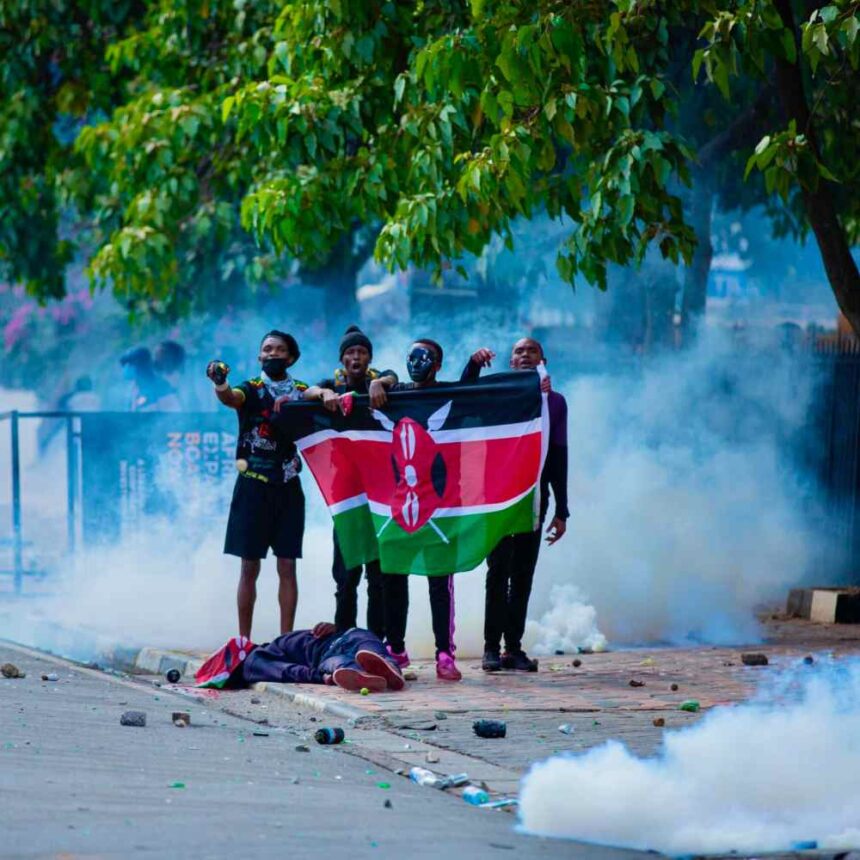
Some of the documented cases relate to recent protests and demonstrations in Kenya. KNCHR has previously reported incidents involving deaths, injuries, arrests, and excessive use of force during public demonstrations. These cases highlight ongoing tensions between citizens and security agencies. However, the list is not limited to recent events. It also includes historical violations. Kenya has faced several periods marked by human rights concerns. These include politically motivated violence, land disputes, and state crackdowns. Many victims never received justice or compensation.
The current initiative aims to address both recent and past violations. KNCHR says a comprehensive approach is necessary to promote healing and national unity. The commission believes acknowledging past wrongs is key to preventing future abuses. Despite the April deadline, KNCHR continues to receive new reports. It says the reparations process will remain open in phases. Victims and witnesses can still submit information through official channels. This ensures that no legitimate case is ignored.
Government Response and Policy Direction
The government has acknowledged the importance of the reparations process. Officials say the framework will form part of broader reforms in governance and human rights protection. The process aligns with Kenya’s constitutional commitments and international obligations. KNCHR has proposed several forms of redress. These include financial compensation, rehabilitation services, restitution of property, and official acknowledgment of wrongdoing. The commission says compensation alone is not enough. Victims also need psychological support, social reintegration, and public recognition.
The process also raises questions about accountability. KNCHR has emphasized the need to hold perpetrators responsible. Without accountability, the commission warns, violations may continue. It calls for stronger oversight of security agencies and public institutions. The initiative comes at a time when Kenya is working to strengthen democratic institutions. Human rights remain a key pillar in governance reforms. The success of this programme could set a precedent for future justice mechanisms in the country.
The Road Ahead for Victims
For many victims, this process offers hope. It provides a chance for recognition and closure after years of silence. However, expectations remain high. Victims want timely action, fair compensation, and meaningful reforms. KNCHR plans to submit its final report within the required timeline. The report will guide the government on the next steps. Implementation will depend on funding, political will, and institutional coordination.
The identification of 1,563 victims marks a major step forward. However, it is only the beginning. The real test lies in delivering justice. This includes compensating victims, reforming systems, and preventing future violations. Kenya’s experience shows that human rights challenges can persist over time. Addressing them requires sustained effort and commitment. KNCHR’s work highlights the importance of independent institutions in promoting accountability. As the process moves forward, all eyes will be on the government. Victims, civil society, and the public expect transparency and action. The success of the reparations programme will shape public trust in state institutions. It will also determine how Kenya confronts its past while building a more just future.