The Orange Democratic Movement (ODM), one of Kenya’s most influential parties, is facing intense internal tension. The death of long time leader Raila Odinga in October 2025 left a leadership vacuum. Since then, divisions within the party have deepened. Rival factions have emerged. Public disagreements between key figures such as Edwin Sifuna, Winnie Odinga, and Oburu Odinga are increasingly visible. Analysts warn that ODM’s cohesion and electoral prospects could be at risk if these issues persist. Since Raila Odinga passed away, senior officials appointed Oburu Odinga, his older brother, as acting party leader. They aimed to preserve unity and protect the party’s legacy. However, Oburu’s leadership faces growing challenges. A reformist faction has emerged. It is led by Edwin Sifuna, James Orengo, Babu Owino, and Winnie Odinga. They openly oppose moves that weaken ODM’s independence. The group launched the “Linda Mwananchi” grassroots tour. They engage ordinary citizens and push for the party to field its own presidential candidate in 2027.
Meanwhile, Oburu Odinga works with senior officials such as Junet Mohamed and Gladys Wanga. They advocate for unity and strategic cooperation with other political entities, including the ruling UDA, they argue that alliances secure influence in government. They say cooperation maintains policy leverage and keeps ODM relevant. The party’s internal debate has turned into public confrontations. Generational and strategic tensions within ODM are now clear for all to see.
Rallies and Their Implications
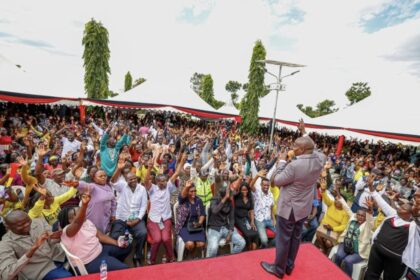
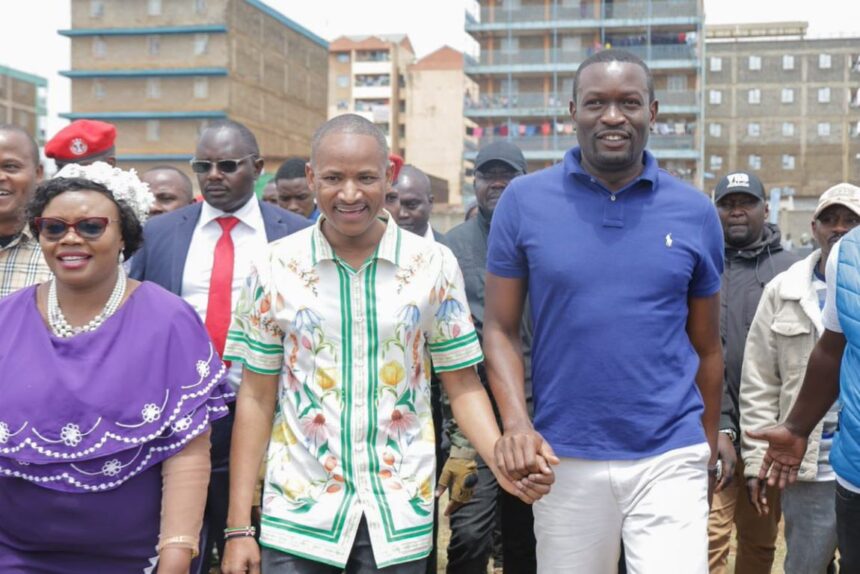
The rift became very visible during rallies today, 8 February 2026, in Busia County. The reformist faction’s Linda Mwananchi Tour drew large crowds. Leaders sent a strong message: ODM must stay independent. James Orengo rejected cooperation with the ruling UDA. He said ODM must remain a fully independent political force. Edwin Sifuna reaffirmed his commitment to Raila Odinga’s legacy. He also opposed actions that could compromise the party’s principles. Babu Owino criticised the sidelining of younger leaders. He warned that ignoring grassroots voices could weaken ODM in the long term. The rally highlighted the growing gap in strategy and vision. Supporters cheered and voiced strong support for the reformist message. Beyond the rallies, tensions appear in public disputes and disciplinary petitions. Winnie Odinga openly challenged senior leaders. She accused them of hijacking ODM and undermining reformist voices. Her statements moreover, sparked cultural discussions and political commentary. They show how personal and deep the disagreements are.
On the other side, Oburu Odinga called for dialogue and unity. He stressed that cohesion is vital to keep the party strong and credible. Senior officials, including Deputy Party Leader Godfrey Osotsi, criticised unilateral decisions. They called for inclusive consultation. These actions highlight the tension between established leaders and emerging voices. The divide also reflects a larger strategic question. Should ODM cooperate with the ruling party or stay independent? Senior leaders push alliances and power sharing to keep influence in government. Party Chairperson Gladys Wanga said any coalition must offer an equal power split. Reformist leaders disagree. They argue alliances with UDA weaken ODM’s identity. They insist the party must challenge government policies, not align with them.
Which Way 2027?
These conflicts are already affecting public perception. Supporters hear mixed messages about the party’s direction. One narrative emphasizes negotiation and cooperation. The other stresses independence and reform. This confuses grassroots supporters. Analysts say rival campaigns, Linda Ground by senior leaders and Linda Mwananchi by reformists, are more than symbolic. They reflect competing visions for ODM’s future in the post-Raila era. Observers warn that external political actors could exploit these divisions. This could further weaken party unity. The implications are significant. ODM’s rift mirrors challenges seen in political organizations worldwide after losing a dominant leader. Questions of succession, leadership legitimacy, and party identity are now urgent. Balancing Raila Odinga’s legacy with the ambitions of younger and reformist leaders is difficult. The situation also highlights the role of women and youth in leadership. Figures like Winnie Odinga and Babu Owino are shaping the party’s future.
As ODM navigates these battles, the party faces a critical test ahead of the 2027 elections. Resolving disputes requires negotiation, inclusive decision making, and a careful balance between tradition and reform. Failure could weaken ODM. It could reduce the party’s electoral competitiveness and influence in Kenya’s political landscape. Success could strengthen ODM’s identity. It could broaden appeal and also preserve its political legacy. ODM is at a crossroads. Today’s rallies and public statements show the urgent need for dialogue and reconciliation. The contest between independence and cooperation, seniority and reform, legacy and innovation will define the party.