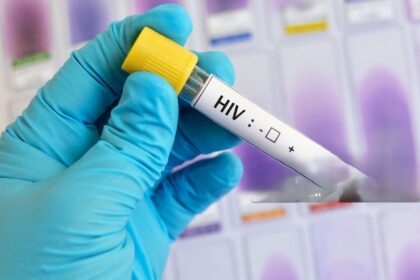

Kenya has taken a bold step in the fight against HIV with the arrival and planned rollout of Lenacapavir, a long‑acting injectable drug designed to prevent HIV infection. Health officials and global partners say this approach could transform prevention efforts, particularly for those who struggle with daily pills or face barriers accessing clinics.
What Is Lenacapavir and How Does It Work?
Lenacapavir is a long-acting PrEP (pre‑exposure prophylaxis) drug that protects people who do not have HIV from contracting the virus. Unlike traditional PrEP pills that must be taken daily, Lenacapavir is administered as an injection every six months. In clinical trials, long-acting PrEP options like Lenacapavir have shown very high effectiveness in reducing the risk of HIV infection. In one key global trial, Lenacapavir reduced HIV incidence by more than 90 per cent compared with oral pills, demonstrating its potential as a game‑changing prevention tool.
It’s important to note that Lenacapavir is not a vaccine, meaning it does not provide lifelong immunity to HIV nor is it a cure for people living with HIV. Rather, it is a prevention option for those at risk who are currently HIV‑negative.
Priority Counties for Rollout
The Kenyan government, through the Ministry of Health and the National AIDS and STI Control Programme (NASCOP), has identified 15 priority counties where HIV prevention efforts are being concentrated during the first phase of Lenacapavir rollout beginning in March 2026. These counties were chosen based on local data on HIV burden and prevalence. The priority counties for the rollout include Siaya, Homa Bay, Migori, Kisumu, Kisii, Mombasa, Nairobi, Machakos, Kajiado, Busia, Kiambu, Kilifi, Kakamega, Uasin Gishu, and Nakuru. These areas include counties with some of the highest numbers of people living with HIV and new infections, particularly in western Kenya and urban centres like Nairobi and Mombasa.
One of the defining features of Lenacapavir is its twice‑yearly dosing schedule. Each injection is designed to protect an HIV-negative person for up to six months. This means individuals need to receive two injections a year for continuous protection. This longer interval aims to address some challenges with daily pills, such as forgetfulness, stigma, or difficulties accessing health facilities regularly. Health experts believe this could improve adherence and make prevention more accessible to vulnerable populations.
The World Health Organization’s View
The World Health Organization (WHO) has endorsed the use of Lenacapavir as part of global HIV prevention strategies. In mid‑2025, WHO officially recommended Lenacapavir as a tool for HIV prevention, particularly because its long‑acting nature can improve adherence and offer protection in populations where daily regimens have proven challenging.
WHO Director‑General and HIV experts have described Lenacapavir as a significant advancement in the global response to HIV. They emphasize that while a vaccine remains elusive, long‑acting injectable drugs represent a powerful interim tool to reduce new infections and help move toward the goal of ending HIV as a public health threat. WHO’s recommendations also stress that such tools must be paired with ongoing efforts in testing, counselling, and access to treatment, especially in settings with high infection rates.
Kenyans View on this Move
Reaction from the Kenyan public, health advocates, and community groups shows a mix of optimism, curiosity, and caution. Many Kenyans welcome Lenacapavir. They see it as a tool to fill gaps left by daily pills. It helps people who forget doses or face stigma when visiting clinics for PrEP. Some health workers and advocates urge wider access. They want the drug to reach more Kenyans beyond the initial priority counties.
Young people and online communities highlight convenience. They note that two shots a year are easier to manage than daily tablets. Some question the cost and access, especially outside urban centres. Others point out that Lenacapavir is not free for everyone yet. People want clarity on availability and eligibility as rollout begins. Experts and ordinary Kenyans alike stress that Lenacapavir should complement other prevention tools. These include condoms, regular testing, treatment for people living with HIV, and community education.
The arrival of Lenacapavir signals progress, but challenges remain. Kenya expects an additional 12,000 continuation doses by April. This ensures people who start injections can complete the six‑month course without interruption. Awareness and education are critical. People must understand that the drug prevents HIV and is not a treatment. Equity and access are also key. Priority counties cover high-burden areas, but rural and underserved communities must also benefit. Public health leaders emphasise that Lenacapavir is just one part of Kenya’s broader HIV strategy. Condoms, regular testing, antiretroviral treatment, and community outreach remain essential to the country’s response.