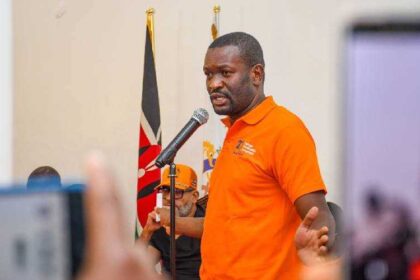
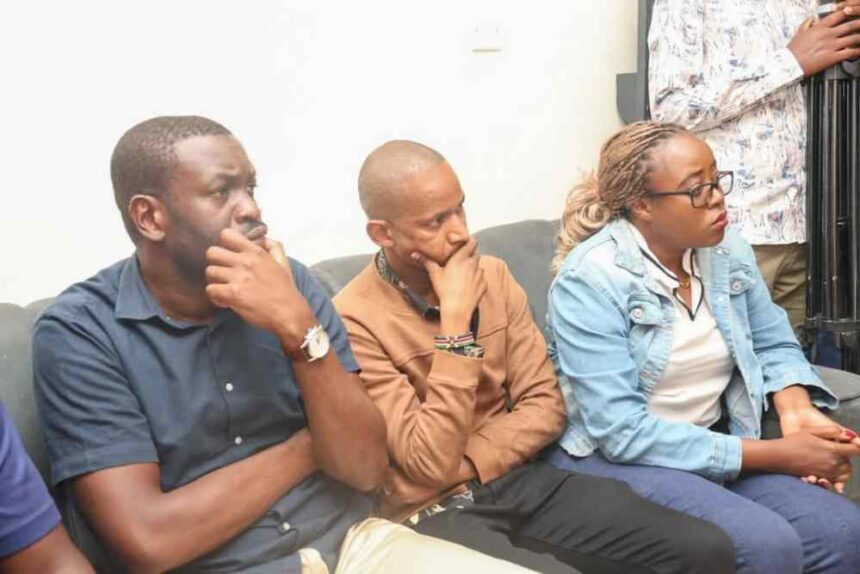
Kenya’s political movements often face a choice: stay loyal to established parties or carve independent paths. The Linda Mwananchi initiative highlights this tension. It emerged amid internal disagreements in the Orange Democratic Movement (ODM), with leaders like Edwin Sifuna navigating the delicate balance between party loyalty and citizen driven reform. Ordinary Kenyans inspired the movement. Its goal was simple: give people a voice. It has grown quickly and now draws national attention. Recently, speculation has arisen about registering it as a political party.
Origins and Citizen Focus
Linda Mwananchi began as a grassroots campaign. It gave ordinary people a platform to speak on real issues. Supporters felt limited by party structures. They wanted a space to push for accountability and transparency. The movement emphasizes citizen empowerment. Its message resonates in cities and rural areas. Unlike personality driven campaigns, it focuses on ideas and participation.
Many Kenyans feel it reflects their concerns. For them, Linda Mwananchi is more than a name. It is a chance to have a seat at the table in decisions that affect their lives.
The Registration Question
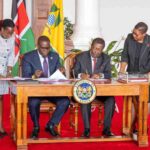
Charles Wanyonyi applied to the Office of the Registrar of Political Parties (ORPP) to register Linda Mwananchi. This sparked debate. Analysts suggest three possible reasons. First, it could be a contingency plan. ODM members like Edwin Sifuna may want legal backup. Registration could protect their options if party tensions rise. Second, it might be a strategic move. Rival factions could aim to control the name and limit the movement’s reach.
Third, it could be a brand strategy. In Kenya, registering a party can secure symbolic or practical control over a political brand. It does not always mean immediate elections. ORPP must review applications within 14 days. Provisional approval requires compliance with the Political Parties Act. Registrar John Cox Lorionokou stressed the process is rigorous and transparent. No shortcuts are allowed.
Perspectives and Strategic Stakes
Reactions from stakeholders vary. Godfrey Osotsi said there were no formal registration talks. He emphasized loyalty to ODM. Yet the application exists. Observers see it as strategic foresight.
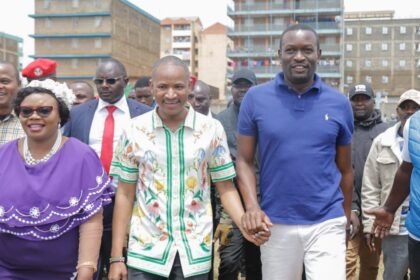
Babu Owino said the movement is bigger than a name. Its power comes from supporters and ideas. Critics, such as Jeremiah Kioni, raised concerns about government interference. Analysts see Linda Mwananchi as a potential vote-splitter for future elections. Figures like Deputy President Rigathi Gachagua and Kalonzo Musyoka are watching closely. Controlling the brand could influence funding, coalition deals, and ballot presence. Historical cases show early registration can provide negotiating power.
Leverage and Change
The movement’s future remains uncertain. Analysts like Chris Omore say registration offers both insurance and leverage. Leaders like Edwin Sifuna see it as a push for generational change. They aim to build momentum beyond personalities.
Linda Mwananchi may remain within ODM. It could become independent. Or it could adopt a hybrid model. Its growth shows a key truth: citizens and political actors seek spaces for meaningful participation. They balance loyalty with the desire for change. In Kenya’s political landscape, ideas and citizen engagement matter. Linda Mwananchi proves that political power is not just about symbols. It depends on connecting with the people who bring those symbols to life.