When a new virus emerges anywhere in the world, the first response often comes from scientists on the ground. They collect samples, study the pathogen, and share data with global research networks. This early information helps laboratories develop vaccines, medicines, and diagnostic tools. In theory, such cooperation should benefit everyone. In reality, that has not always been the case. Many countries that provide critical scientific data during disease outbreaks often struggle to access the health solutions developed from that same information. This imbalance became painfully clear during the global crisis caused by COVID-19. The pandemic exposed deep inequalities in how life-saving vaccines and treatments were distributed around the world.
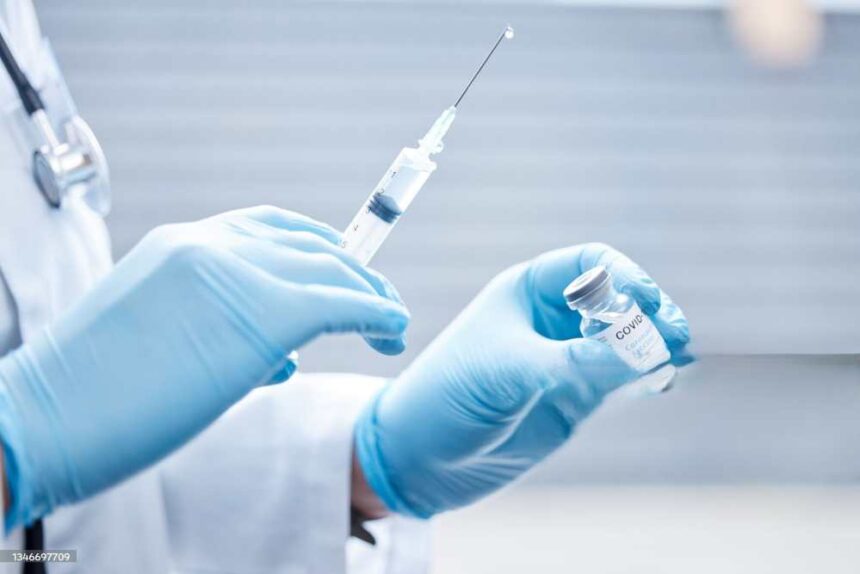
In Africa, scientists played a key role in identifying new variants of the virus. Researchers in South Africa used advanced surveillance systems to detect important mutations early. Their work led to the discovery of variants such as the Beta variant of SARS-CoV-2 and the Omicron variant of SARS-CoV-2. These discoveries helped the global scientific community understand how the virus was evolving. Despite this contribution, many African countries struggled to secure vaccines once they were developed. Nations such as Kenya relied heavily on donations through the global vaccine-sharing initiative coordinated by the World Health Organization. This programme, known as COVAX, aimed to ensure equitable vaccine access.
Vaccine Inequality and Lessons from the Pandemic
However, the reality proved complicated. Wealthier nations secured large vaccine supplies early through direct agreements with pharmaceutical companies. Some countries accumulated doses far beyond their immediate needs. Meanwhile, many lower-income countries waited months for shipments to arrive. Delays slowed vaccination campaigns across parts of Africa. Some countries received doses close to their expiry dates. Others faced logistical challenges because supply schedules kept changing. The situation created frustration and raised difficult questions about fairness in global health systems.
These experiences pushed governments and health advocates to call for reforms. Many countries argued that the world needed stronger rules to ensure fairness during future pandemics. They believed that nations sharing critical virus data should also benefit when vaccines or treatments are developed. This debate led to discussions at the World Health Assembly, the decision-making body of the global health community. In December 2021, governments gathered in Geneva for a special session. During that meeting, they agreed to begin negotiations on a legally binding treaty aimed at improving global pandemic preparedness. The negotiations continued for several years and involved governments, health experts, and civil society groups. Their goal was to create a new framework that would guide how countries prevent, prepare for, and respond to global disease outbreaks. Eventually, countries adopted the WHO Pandemic Agreement, the first international treaty designed specifically to address pandemic preparedness and response.
The agreement seeks to strengthen cooperation between nations and improve access to health tools during emergencies.
The Debate Over Sharing Pathogens and Benefits
Yet one major part of the treaty remains under intense debate. At the center of the discussion is a framework known as the Pathogen Access and Benefit-Sharing System, often referred to as PABS. This system aims to regulate how countries share virus samples and genetic sequence data during outbreaks. Under the proposed model, countries that detect new pathogens would share biological samples and scientific information quickly with the global community. This early sharing allows researchers worldwide to develop vaccines, medicines, and diagnostic tests faster. In return, pharmaceutical manufacturers would allocate a portion of their production to global health authorities. The plan suggests that companies share around 20 percent of their real-time production of vaccines, treatments, and testing tools during pandemics. These supplies would then be distributed to countries based on public health needs and risks.
Supporters say the approach could prevent the inequalities seen during COVID-19. By guaranteeing a share of pandemic products for global distribution, the system could help ensure that lower-income countries receive medical supplies more quickly.However, negotiations over the details have proven complex. Many developing countries worry that the current draft does not guarantee meaningful benefits. They argue that while the proposal requires countries to share pathogen samples and genetic data, it does not clearly enforce how benefits will be distributed in return. Another concern involves how the data might be used. Some critics say the text does not clearly distinguish between commercial and non-commercial use of pathogen information. Without clear rules, pharmaceutical companies could potentially develop profitable products using shared data while the countries that provided the samples struggle to access those products.
Civil society groups across Africa have voiced strong concerns about this possibility. They fear that a weak agreement could repeat the pattern seen during the COVID-19 pandemic, where countries that contributed scientific knowledge did not receive timely access to vaccines.
The Path Toward Fair Global Health Cooperation
Health advocates argue that stronger accountability mechanisms are essential. They believe that legally binding commitments are necessary to guarantee equitable distribution of medical products during global health emergencies. Another issue shaping the negotiations is the balance of influence during international talks. Experts say wealthier countries often send large teams of specialists to global negotiations. These teams include scientists, lawyers, economists, and policy advisers. In contrast, some developing nations may send only one or two representatives. Limited resources can make it difficult for smaller delegations to follow complex technical discussions or push for specific policy positions. Observers say this imbalance can affect how agreements are shaped. Stronger coordination among developing countries could help address this challenge and strengthen their negotiating power.
For African nations, the outcome of these discussions carries major implications. The continent has invested heavily in building stronger health systems and expanding local pharmaceutical manufacturing. A fair global agreement could support these efforts by ensuring that vaccines and treatments are shared more equitably. At the same time, global health experts stress that cooperation remains essential. Disease outbreaks do not respect borders. Early detection and data sharing are critical for protecting populations worldwide. But trust is equally important. Countries are more likely to share sensitive biological information if they believe the global system will treat them fairly. As governments continue negotiations, the world faces a crucial question: how to balance scientific cooperation with equitable access to medical solutions. The next pandemic will almost certainly arrive someday. When it does, the strength of international agreements will shape how quickly the world responds and how fairly lifesaving tools are distributed.