
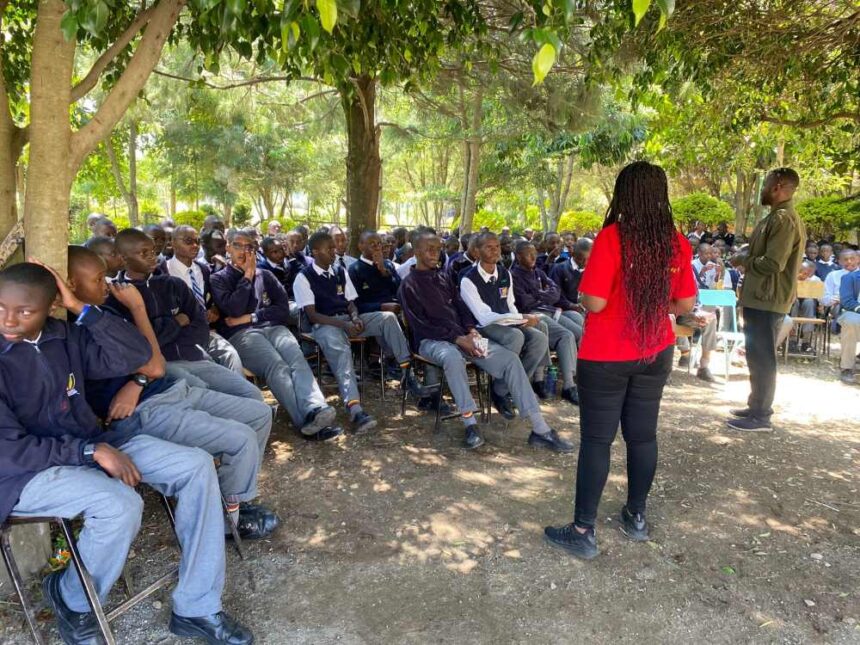
The tragic death of a three-year-old pupil in Gilgil has once again raised urgent questions about safety in schools. The child went missing during school hours before his body was found in a fish pond within the compound. Conflicting accounts from the institution and the family deepened grief and suspicion. While investigations continue, the incident highlights a deeper, recurring problem that extends far beyond a single school.
Across Kenya and in other parts of the world, similar tragedies continue to occur in environments meant to protect children. These cases often expose the same weaknesses poor supervision, unsafe infrastructure, weak communication, and limited accountability. When viewed together, they reveal a pattern that demands urgent attention.
A Pattern of Repeated School Tragedies
School-related deaths often follow a familiar and troubling sequence. A child goes missing. Information emerges slowly or changes over time. Families are left searching for answers. In recent years, Kenya has witnessed several such incidents. They include, in Nairobi, a pupil reportedly drowned in a school swimming pool under unclear circumstances. In another case, students lost their lives during a swimming activity near River Tana, raising concerns about supervision and planning. Each incident sparked public outrage, yet similar risks remain present in many institutions.
Globally, the pattern is the same. In the United Kingdom, a young girl drowned during a school outing, with questions raised about supervision and response. In Japan, a child died in a public pool after delays in emergency action. These cases show that the problem is not limited to one country. It is a systemic issue that arises when safety systems fail.
Why Young Learners Face the Highest Risk
Young children are especially vulnerable in school environments. Pupils in playgroup and early primary levels rely entirely on adults for protection. They lack the ability to assess danger, respond quickly to emergencies, or seek help effectively. Drowning remains one of the leading causes of child deaths worldwide. Even small or shallow water bodies can pose serious risks. In many schools, hazards such as ponds, open tanks, or swimming pools exist within the compound. Without strict controls, these areas become dangerous.
Other risks also exist. Construction zones, unfenced areas, and poorly monitored playgrounds can expose children to harm. The presence of these hazards is not always the issue. The real problem lies in the absence of effective safety measures to manage them.
Gaps in Risk Management and Supervision
Most school tragedies are preventable. The challenge is not a lack of knowledge but a failure to apply it consistently. Effective risk management begins with identifying hazards, assessing their impact, and putting strong controls in place.
In many cases, schools fail at the first step. Hazards are visible, yet they remain accessible. Simple measures such as fencing water bodies, restricting access, and assigning supervision duties can significantly reduce risk. However, these measures are often ignored or implemented only after a tragedy occurs. Supervision is the most critical layer of protection, especially for young children. Yet, in several incidents, children go unaccounted for long enough for accidents to occur. Delayed response reduces the chances of rescue and increases the severity of outcomes. Accountability is another major concern. Schools sometimes provide inconsistent information during crises. Parents receive unclear or changing explanations, which erodes trust and raises further questions. Without transparency, it becomes difficult to establish facts and prevent future incidents.
Moving from Reaction to Prevention
Breaking this cycle requires a shift from reactive responses to proactive systems. Kenya already has policies on school safety, but enforcement remains inconsistent. Stronger implementation is necessary to protect learners effectively. Schools must conduct regular risk assessments to identify and address hazards within their compounds. Infrastructure standards should require proper fencing and monitoring of all high-risk areas. Young learners should always be under close supervision, with clear staff responsibilities defined.
Clear communication is also essential. During emergencies, institutions must provide accurate and timely information to families. This builds trust and supports accountability. At the same time, authorities must strengthen oversight through regular inspections and enforcement of safety standards.
Lessons from other countries show that simple interventions can save lives. Structured supervision, controlled access to hazardous areas, and trained staff can significantly reduce accidents. These measures are practical and achievable when institutions commit to safety. The loss of a child in a school setting should never be treated as an isolated accident. It should serve as a warning and a call to action. The risks are known, and the solutions are available. Until schools prioritize prevention and accountability, similar tragedies will continue to occur. And each time, families will be left asking the same painful question whether the loss could have been avoided.