
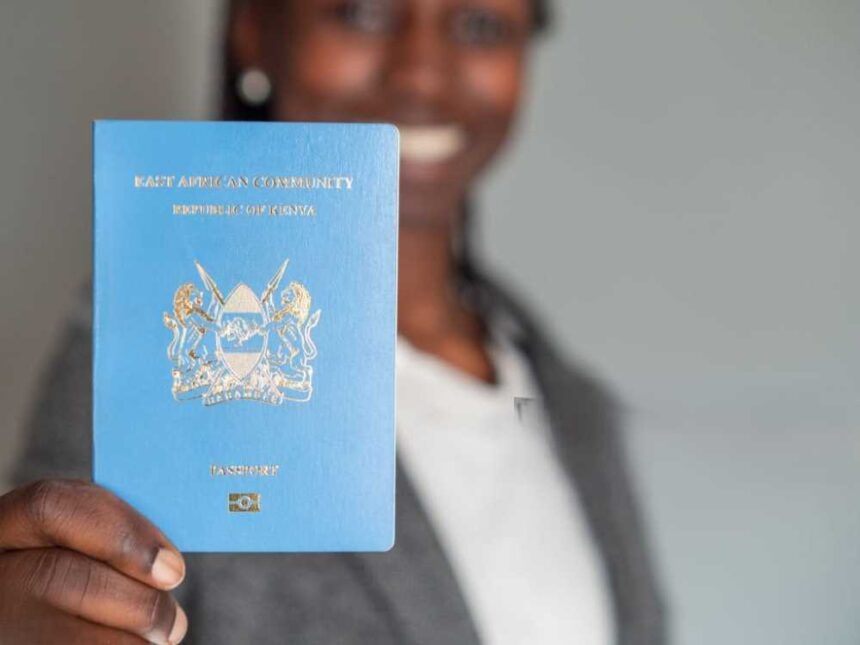
Questions Mount in Kenya Over Alleged Secret Issuance of Passports to Foreignersegular processes. The claims have triggered national debate, political condemnation, and renewed scrutiny of Kenya’s citizenship and immigration systems. Leaked documents and public disclosures sit at the centre of the controversy. The information suggests that several non-Kenyans, some reportedly linked to foreign conflicts, obtained Kenyan passports without meeting constitutional and legal requirements. These revelations have raised serious concerns about national security, governance, and the integrity of Kenya’s identity management systems.
The controversy has also revived long-standing fears about corruption in public institutions and the misuse of executive power. As pressure grows, critics urge the government to provide a transparent explanation and allow independent investigations into how officials issued the passports.
Leaked Documents and Public Claims Trigger National Uproar
Reports sparked the controversy after claims surfaced that officials issued Kenyan passports to foreigners through undocumented or irregular processes. Information circulating publicly indicates that the documents listed foreign nationals who received Kenyan citizenship or passports without meeting key constitutional thresholds. These requirements include residency duration, security vetting, and, in some cases, parliamentary approval. Human rights activist Boniface Mwangi raised the alarm early. He released names and details of individuals alleged to have received Kenyan passports. His disclosures spread rapidly online and ignited intense public debate and calls for accountability.
Some named individuals reportedly have links to Sudan’s Rapid Support Forces, a group associated with serious human rights abuses during Sudan’s ongoing conflict. These claims have heightened fears that criminals or armed groups could exploit Kenyan travel documents for illicit cross-border activities. Civil society organisations, security analysts, and legal experts have questioned how such individuals bypassed established vetting mechanisms. Kenyan passports enjoy strong global recognition, and any perception of irregular access threatens Kenya’s diplomatic standing and visa-free travel arrangements. Social media platforms amplified public outrage. Many Kenyans questioned whether authorities had “sold” citizenship to wealthy or politically connected individuals. Citizens have demanded clear answers on whether officials followed due process and who authorised the passport issuances.
Demand for Accountability and Independent Investigations
The allegations have drawn sharp reactions across Kenya’s political divide. Opposition leaders and government critics have called for an independent inquiry to uncover the truth and hold responsible parties to account. Former Cabinet ministers and senior political figures have warned that the matter extends beyond politics and directly affects national security. They argue that issuing passports without proper vetting exposes Kenya to risks such as terrorism financing, money laundering, and diplomatic fallout. Critics have also accused the executive of undermining constitutional safeguards on citizenship. Kenya’s Constitution outlines clear pathways to citizenship through birth, registration, and naturalisation. Each route requires strict checks, including residency qualifications and security clearance. Members of Parliament have urged parliamentary committees overseeing national security and administration to summon immigration officials for questioning. Pressure has also grown for the Directorate of Criminal Investigations and the Ethics and Anti-Corruption Commission to intervene.
The government, led by President William Ruto, has faced criticism for what many describe as a slow and muted response. While officials insist that authorities follow the law when issuing citizenship documents, they have not released a detailed public explanation addressing the specific allegations. Legal experts warn that silence or vague statements risk eroding public trust. They caution that continued opacity will fuel speculation and weaken confidence in state institutions.
Broader Implications for Security, Governance, and Public Trust
The passport controversy raises deeper questions about governance and institutional integrity in Kenya beyond the immediate political fallout. Citizenship and identity documents form the foundation of state sovereignty, national security, and effective public administration. Experts warn that if officials can issue passports irregularly, other systems may also face vulnerabilities. These systems include national identification, voter registration, and border control. Such weaknesses could lead to electoral manipulation and increased transnational crime.
Security analysts note that Kenya occupies a strategic position in the region. Ongoing instability in neighbouring countries makes strict border controls and reliable identity verification critical. Criminal networks or armed groups could exploit any gaps in the system. The scandal has also reignited debate over corruption within immigration services. Past audits and investigations have exposed weaknesses in Kenya’s immigration and civil registration departments, including bribery and interference by powerful individuals.
For many Kenyans, the issue has struck a personal nerve. Citizens often endure long delays and bureaucratic obstacles when applying for passports. Reports suggesting that foreigners may have obtained the same documents with ease have fueled anger and perceptions of inequality. Civil society groups now demand comprehensive reforms. They have called for digitised records, independent oversight, and regular public audits of citizenship approvals. Advocates argue that authorities must take visible action to restore public trust. As debate continues, Kenyans await a decisive response from the government. Parliamentary probes, judicial action, or administrative reforms could determine the outcome. The handling of this scandal may shape public confidence in the state for years. For now, the passport saga remains a developing story. It highlights the delicate balance between national security, governance, and the rule of law in Kenya.