
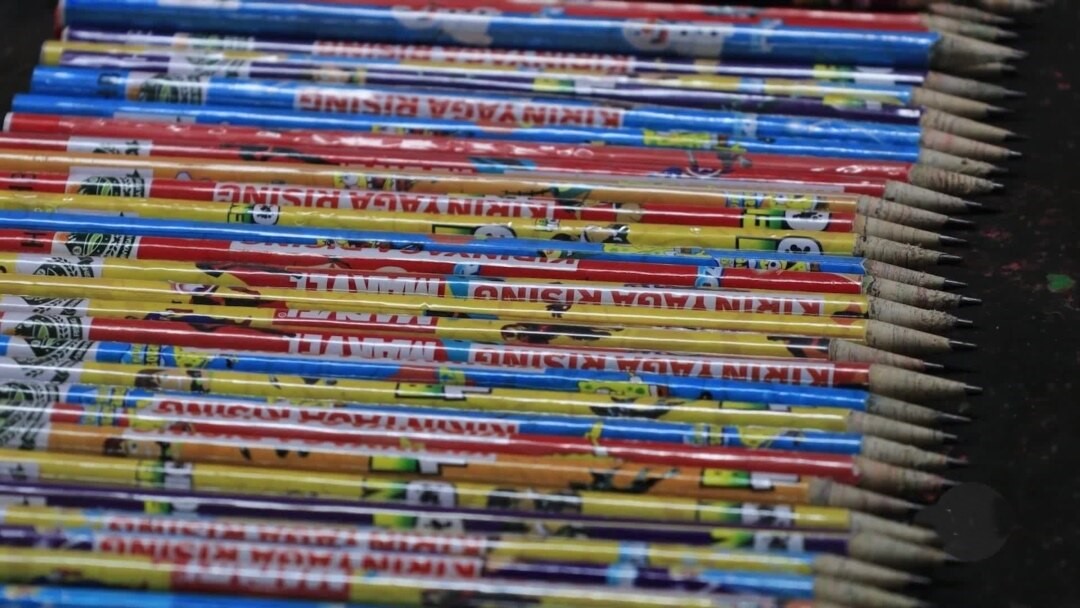
Kenya is witnessing a major shift in its stationery industry as local companies begin producing pencils from recycled newspapers. This innovation replaces wood based pencils with sustainable, locally made alternatives. It also offers a solution to paper waste while reducing pressure on forests.
The recycling idea began with young Kenyan entrepreneurs who wanted to address deforestation and rising waste levels. Instead of burning or dumping newspapers, they discovered they could roll the paper into strong pencil bodies. By inserting graphite at the centre and sealing the layers, the finished product works like a traditional pencil but uses no wood.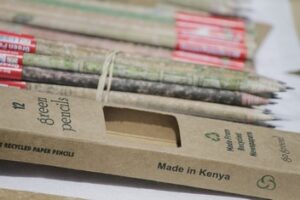
Production has expanded rapidly. MOMO Pencils, launched in 2017, now operates from Athi River in Machakos County. The company reports a production capacity of about 3 million pencils per month. It employs around 50 workers across manufacturing and distribution. When MOMO began, it produced only a few dozen pencils each day. Today, it has become the largest recycler based pencil manufacturer in Kenya.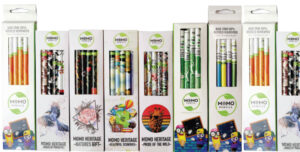
Green Pencils Ltd, founded in 2012, also plays a key role in this growing industry. The Juja based factory can produce up to 100,000 pencils per month. The company estimates that 2 kilograms of newspapers can produce a dozen pencils. This model turns waste into value while keeping production costs under control.
Environmental Gains
The global context highlights why these efforts matter. It is estimated that 8 million trees are cut down each year to support global pencil production. Kenya imports a large share of its pencils. At one point, the country brought in nearly 100 million pencils annually. Local recycled paper pencils reduce this dependency and improve the country’s environmental footprint.
The sector is also making a positive social impact. MOMO runs a “Hope for Literacy” programme that distributes pencils to underprivileged schoolchildren. The company says it has helped plant more than 7,000 trees through community and school partnerships. These efforts combine education support with environmental action.
However, challenges remain. Recycled paper pencils often cost more than imported wooden pencils. In Kenya, a single eco friendly pencil can sell for between KSh 15 and KSh 50, depending on design and quantity. Imported pencils are cheaper, making traders hesitant to stock the locally made options. As a result, manufacturers must continue educating consumers about the long term benefits of sustainable products.
Demand fluctuations also affect production. Companies report that buyers tend to purchase more pencils during school opening periods. Outside these times, orders drop, creating instability in monthly output.
Even with these challenges, Kenya’s recycled paper pencil industry continues to grow. Local firms are proving that sustainability can drive economic opportunity. They are creating jobs, reducing waste, and helping protect forests. Their innovations show that even small everyday items can support a larger environmental mission.
Kenya’s eco friendly pencils represent more than a manufacturing trend. They reflect a shift towards circular economy thinking, turning waste into useful products, lowering imports, and encouraging responsible consumption. With increased awareness, supportive policies, and consumer acceptance, these pencils could become a leading Kenyan export and a symbol of the country’s green future.
Also read: BBL Booms in Kenya as Trendy Curves Bring Growing Health Risks