
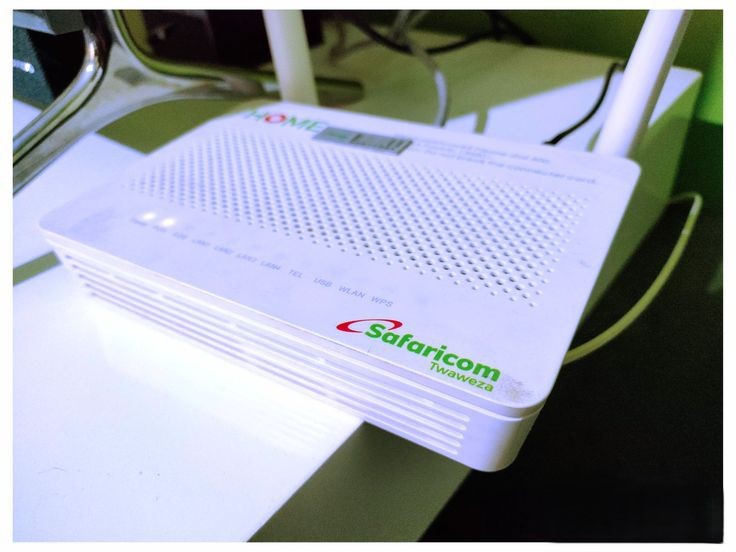
For years, internet access in Kenya has followed one rigid rule. Pay monthly or stay offline. That model worked for salaried households and established businesses. It failed millions of others. Casual workers. Small traders. Students. Households with irregular income. Safaricom now wants to change that structure. It plans to introduce tokenised Wi-Fi. Users will buy access by the hour, day, or week. No contracts. No long commitments.
This shift reflects a deeper truth about Kenya’s digital economy. Access, not demand, limits growth. People want internet. They just cannot afford monthly plans. By borrowing lessons from mobile data, Safaricom is rethinking fixed broadband. It is turning Wi-Fi into something flexible, temporary, and affordable.
How Monthly Internet Excludes Millions
Kenya’s internet market has grown fast. Yet fixed broadband remains concentrated in specific areas. Mostly high income neighbourhoods. Mostly stable earners. Monthly Wi-Fi plans assume predictable income. Many Kenyan households do not have that luxury. Income fluctuates. Expenses compete. Internet becomes optional. As a result, millions rely on mobile data. It is expensive for heavy use. It also limits productivity. Streaming. Online work. Learning. All suffer.
Safaricom sees this gap clearly. The company estimates Kenya can support about four million fixed broadband connections. Today, the market serves roughly 1.2 million users. That leaves nearly three million potential customers offline. The barrier is not infrastructure alone. It is pricing structure. Monthly billing locks people out before they even consider quality or speed. Tokenised Wi-Fi breaks that wall. It allows users to pay only when they need internet. Heavy use for short periods. Light use when budgets tighten. This mirrors how Kenyans already buy mobile data. Small bundles. Short durations. Total control. Safaricom is simply extending that behaviour to home and community internet.
How Tokenised Wi-Fi Changes Access
Tokenised Wi-Fi treats internet like a utility you switch on and off. Need it for a day? Pay for a day.
Need it for an hour? Pay for an hour. This model suits many real-life situations. A student revising for exams. A freelancer submitting work. A household streaming football over the weekend. A trader uploading stock photos and none need a full month. By offering flexible access, Safaricom lowers the cost of entry. It also reduces waste. Users no longer pay for unused days. The approach also allows Safaricom to target specific locations. High-demand zones. Densely populated areas. Community spaces. Instead of blanket rollout, the company can follow usage patterns. This lowers costs. It improves efficiency. It supports sustainability.
The model also opens doors beyond Kenya. Safaricom plans to introduce the service in Ethiopia. That market remains largely untapped for fixed broadband. Flexibility becomes a competitive advantage. Especially in markets where monthly commitments discourage adoption. Tokenised Wi-Fi does not replace traditional plans. It complements them. Power users will still choose monthly packages. Others will move between options as needs change. That freedom reshapes the broadband conversation.
A Strategic Shift From Premium to Mass Market
For years, Safaricom focused on premium users. Fibre rollout favoured affluent estates. Pricing reflected that strategy. That phase delivered results. Safaricom now leads Kenya’s fixed internet market. It controls over a third of subscriptions. But leadership creates new responsibility. Growth now depends on inclusion. Safaricom’s leadership acknowledges this shift. Fixed broadband represents one of its biggest growth opportunities. Not at the top. At the base. The company believes fixed broadband can grow by 50 percent annually for several years. That growth will not come from the same customers. It will come from new ones.
To reach them, Safaricom is combining several tools. Fibre where possible. Fixed wireless using 5G where fibre fails. Affordable devices. Flexible pricing. The Sh800 monthly home fibre plan reflects this thinking. So does tokenised Wi-Fi. These products recognise a simple fact. Digital access must match economic reality. Otherwise, infrastructure stays unused. Safaricom is no longer asking who can afford internet. It is asking how people live. How they earn. How they spend. That shift changes everything.
The Impact to Kenya’s Digital Future
Access to the internet influences how people learn, earn, trade, and participate in public life. When connectivity adapts to real economic conditions, more people find room to take part. Digital spaces open up to new users. Online activity spreads beyond a narrow segment of society. Tokenised Wi-Fi may appear like a minor pricing adjustment. In reality, it marks a deeper shift in how broadband works. It moves fixed internet away from rigid monthly obligations and closer to on-demand use. The model reflects everyday living patterns rather than idealised billing cycles. Lower entry costs ease pressure on small businesses managing tight cash flows. Households gain breathing space when internet spending becomes optional rather than fixed. Students benefit from access that matches their study needs instead of long contracts. For Safaricom, the shift brings previously excluded users into view and into the market.
The change also reshapes competition. Other providers face pressure to rethink how they price and deliver internet services. Innovation becomes harder to ignore. Choice widens for consumers who once had few options. Long-term impact will depend on delivery. Network coverage must hold. Speeds must remain reliable. Pricing must stay clear. Trust will matter. Yet the trajectory is evident. Kenya’s digital expansion is moving away from lock-in models. Flexibility is becoming the new foundation. In that environment, Wi-Fi stops being a privilege reserved for monthly subscribers and becomes a service people can access on their own terms.