Healthcare systems depend heavily on specialised medical equipment to diagnose and treat serious diseases. In cancer care, radiotherapy machines play a critical role in controlling tumours and improving patient survival. When these machines fail, hospitals face immediate pressure as treatment schedules collapse, patient backlogs grow, and families search for alternatives. Incidents involving broken radiotherapy equipment reveal deeper challenges within health systems. They highlight gaps in infrastructure, funding, and contingency planning. They also show how delays in treatment can affect both medical outcomes and the emotional well-being of patients who rely on consistent care.
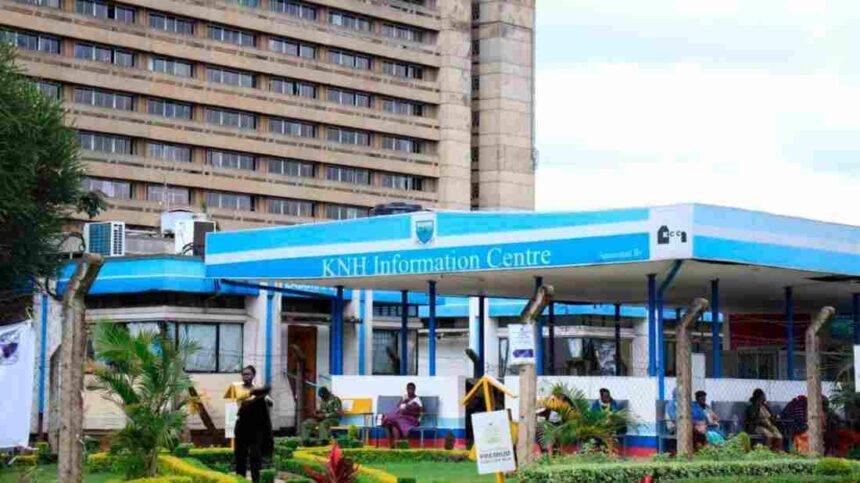
A recent disruption at Kenyatta National Hospital, Kenya’s largest referral facility, illustrates how technical failures can quickly reduce access to critical services. The hospital’s oncology unit was forced to cut its treatment capacity after a key radiotherapy machine malfunctioned, leaving many cancer patients unable to receive timely care. While such breakdowns are often temporary, their impact on cancer treatment can be significant. The situation provides important lessons about the need for resilient healthcare infrastructure and stronger planning for essential medical equipment.
The Role of Radiotherapy in Cancer Treatment
Radiotherapy is one of the most common methods used to treat cancer. Doctors use high-energy radiation to destroy cancer cells or prevent them from growing and spreading. For many patients, it forms part of a broader treatment plan that may also include surgery, chemotherapy, or targeted therapy. Modern radiotherapy often relies on advanced machines known as Linear Accelerator Radiotherapy Machine systems. These machines generate high-energy X-rays or electrons that can be directed precisely at tumours. Their technology allows doctors to focus radiation on cancerous tissue while protecting nearby healthy organs.
This level of precision is particularly important for cancers located near sensitive body parts such as the brain, spinal cord, or major organs. In such cases, targeted radiation can improve treatment outcomes while reducing harmful side effects. Large referral hospitals usually depend on these machines to treat dozens or even hundreds of cancer patients every day. When they function properly, they help maintain strict treatment schedules that are essential for effective cancer management. However, radiotherapy equipment is complex and expensive. Machines require regular servicing, specialised technicians, and timely access to spare parts. When maintenance systems fail or repairs are delayed, hospitals may suddenly lose a large portion of their treatment capacity.
When Equipment Breakdowns Reduce Treatment Capacity
A radiotherapy machine breakdown can disrupt oncology services almost immediately. Treatment schedules are carefully organised weeks in advance, with each patient assigned specific time slots. When equipment fails, hospitals must cancel or postpone many appointments. In such situations, healthcare facilities often rely on older machines as temporary substitutes. Some hospitals still operate cobalt-based radiotherapy systems, which were widely used before modern linear accelerators became standard. While these machines can still deliver radiation therapy, they lack the advanced targeting capabilities of modern technology. Their treatment speed may also be slower, reducing the number of patients who can receive therapy each day. When capacity drops, hospitals must make difficult decisions. Some patients continue treatment using available machines, while others may be referred to different facilities. For individuals who live far from referral centres or cannot afford additional costs, these referrals may create serious barriers to care.
This challenge is particularly visible in urban referral hospitals that serve patients from across the country. A single machine failure can affect patients who travel long distances seeking specialised oncology services. Healthcare providers often work quickly to restore services. However, sourcing specialised components, conducting repairs, and performing safety tests may take time. During this period, treatment delays can accumulate, creating backlogs that take months to clear.
The Human Impact of Treatment Delays
Behind every disrupted treatment schedule is a patient facing uncertainty. Cancer care relies on consistent therapy delivered within carefully planned timelines. Interruptions can cause emotional stress for patients who already face a difficult medical journey. Doctors emphasise that timing is critical in radiotherapy. Many treatment plans require daily sessions over several weeks. These sessions work together to gradually shrink tumours and control disease progression. When treatment stops or is delayed, tumours may continue growing. This can reduce the effectiveness of radiation therapy or require adjustments to the treatment plan. In some cases, doctors may need to combine therapies or extend treatment duration to compensate for the interruption.
Financial challenges can also compound the problem. When hospitals refer patients to alternative facilities, individuals must often cover travel expenses, accommodation, and treatment fees. Even when services are subsidised, these additional costs can be difficult for families already coping with medical expenses. For patients from rural areas, the challenge becomes even greater. Long journeys to urban hospitals may require temporary relocation or extended stays with relatives. Such disruptions affect employment, household income, and family stability. These experiences highlight the human side of healthcare infrastructure problems. Equipment failures do not only affect hospital operations; they also shape the lives of patients who depend on timely treatment to improve their chances of recovery.
Strengthening Cancer Care Infrastructure
Healthcare experts say incidents involving broken radiotherapy machines offer an opportunity to strengthen cancer treatment systems. One of the most important steps is expanding equipment capacity in major referral hospitals. Large hospitals often require multiple radiotherapy machines to maintain reliable services. If one machine fails, others can continue operating while repairs take place. This redundancy helps ensure that patients do not lose access to critical treatment.
Investment in modern oncology infrastructure also remains essential. As cancer cases increase globally, hospitals must expand diagnostic services, treatment facilities, and specialist training programmes. Governments and health institutions are increasingly recognising the importance of long-term planning in cancer care. Budget discussions often include proposals to purchase additional radiotherapy machines and improve maintenance systems. Reliable supply chains for spare parts and technical support are equally important. Hospitals must ensure that specialised engineers and technicians are available to repair equipment quickly when problems arise.
Regional referral networks can also reduce pressure on major hospitals. When several facilities offer advanced oncology services, patients have more options for treatment, and the healthcare system becomes more resilient. Ultimately, strong cancer care systems depend on both technology and planning. Modern machines, skilled professionals, and coordinated healthcare policies work together to ensure that patients receive timely and effective treatment. When critical equipment fails, the lessons are clear. Health systems must invest not only in new technology but also in the structures that keep that technology running. For cancer patients, reliable access to treatment can make the difference between delay and recovery, uncertainty and hope.